
This week SaportaReport published my latest thought leadership piece, and I want to share it with you here. In it, I bring home an argument I first made in the Congressional Black Caucus Foundation’s 50th anniversary policy journal: AI literacy is the next chapter of the civil rights movement, and Atlanta, the city that gave the world Dr. King, is ready to lead it.
Here is part of what I wrote:
Atlanta knows what it costs to arrive late to opportunity. This is the city where Dr. Martin Luther King Jr. preached about the drum major instinct, the human desire to be out front, and asked us to point that instinct toward service. It is also a city where too many families still watch new economies get built around them instead of with them.
We are standing at the edge of another one of those economies. Artificial intelligence is not good or evil. It is powerful, and like every powerful tool in history, it will either accelerate opportunity for the people prepared to use it or widen the gap for those who are not.
When I was a boy, a banker visited my classroom. I asked him what he did for a living, and he told me he financed entrepreneurs. I didn’t fully understand what that meant, but I knew I wanted to build things like the people he described. That one visit changed the direction of my life.
Exposure creates possibility. AI literacy is exposure at scale.
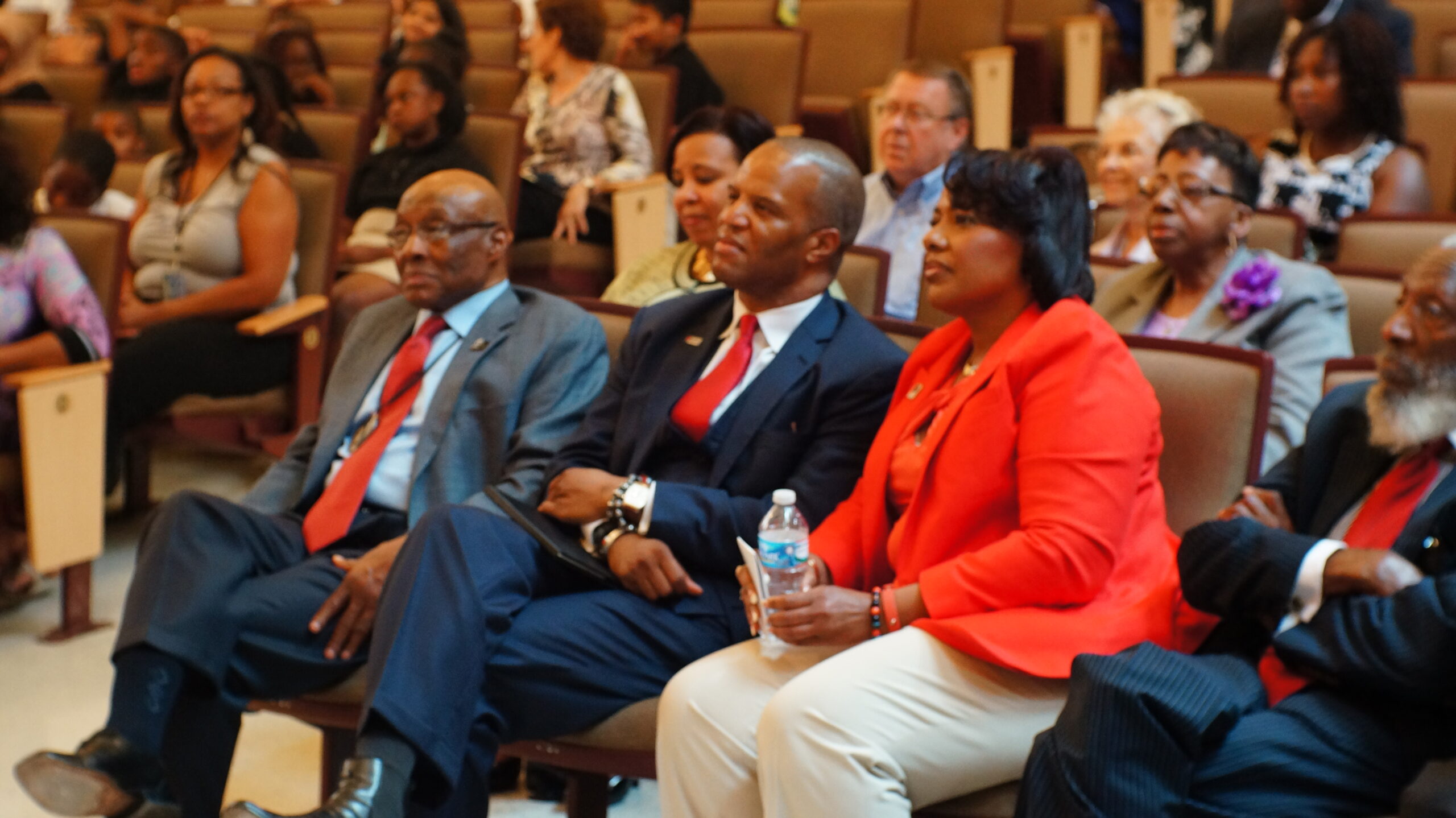
In the full piece, I lay out why Atlanta is uniquely positioned for this moment, from Georgia State University’s AI Literacy and Leadership Program to the HOPE Ethics AI Council we launched with Dr. Bernice King, to the next generation of talent coming out of the Atlanta University Center. And I make the case for why we cannot afford another era of digital redlining.
Read “Atlanta Can Lead the Drum Major Moment on AI” on SaportaReport →
Atlanta has always produced drum majors. This is our moment to lead.
— John Hope Bryant
This piece originally appeared in SaportaReport. My essay “The Drum Major Moment: Why AI Literacy Is the Next Chapter in the Civil Rights Movement” appears in the Congressional Black Caucus Foundation’s JCPAR commemorative issue, Rooted in Legacy, Ready for the Future.