She built wealth by owning what she made, then gave it away to people who looked nothing like her. That’s the whole lesson.
The world lost Dolly Parton this week. She was 80.
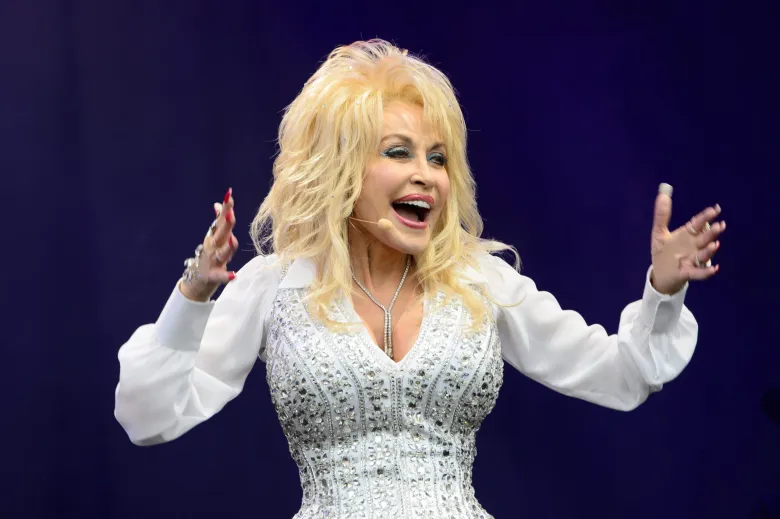
I want to send my condolences to her family, to the people of Sevier County, Tennessee, who she never stopped claiming, and to the millions of us who felt like she belonged to us too. There is no one else like her, and there won’t be.
Most of the tributes you’ll read this week will be about the music, and they should be. But I want to talk about something else, because it’s the part of Dolly’s story that hardly anybody tells, and it’s the part I’ve spent my whole life trying to teach.
The song she wouldn’t sell
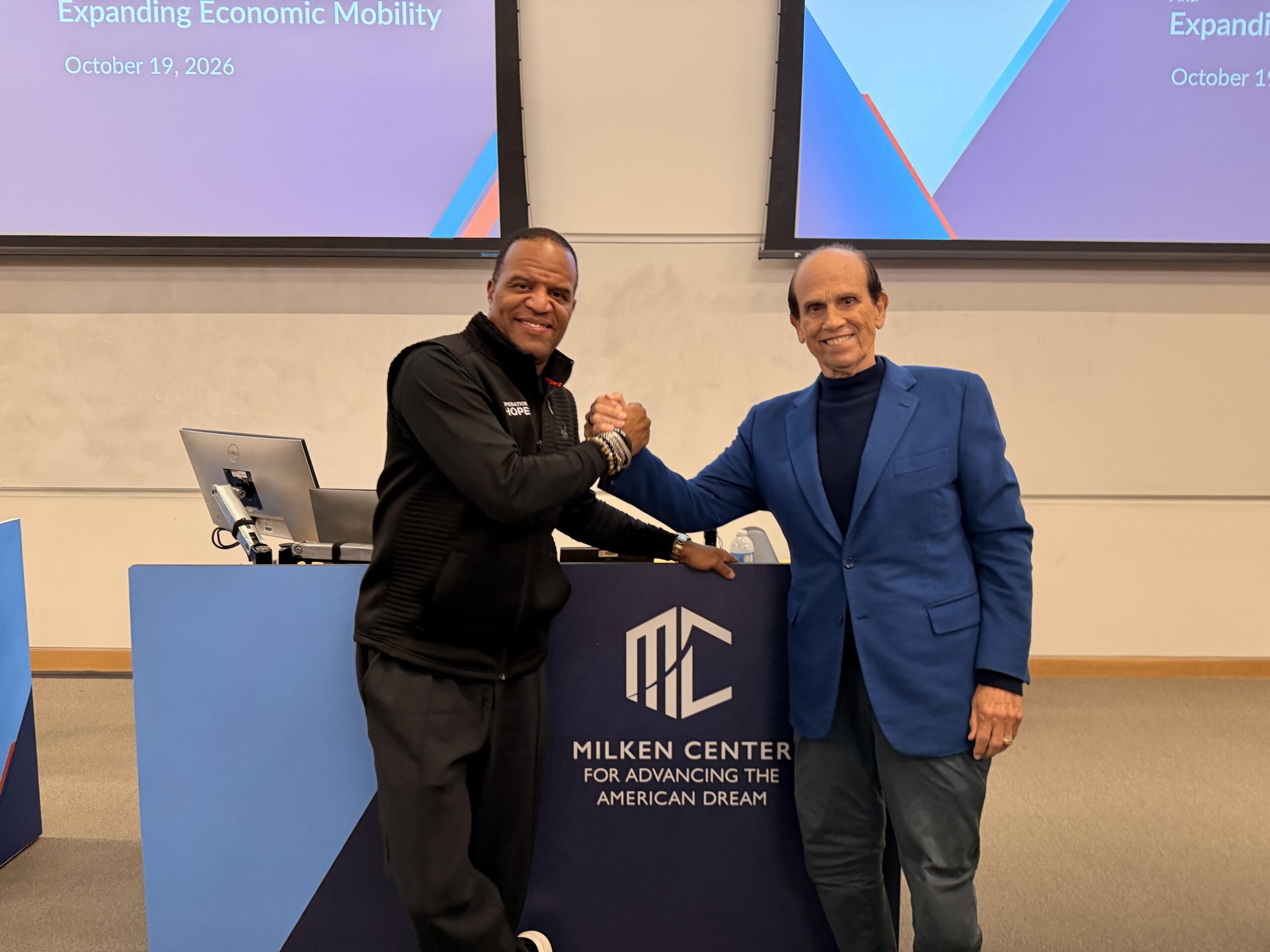
I’m in West Virginia this week with Kevin Boucher, who leads strategy and communications at Operation HOPE and the HOPE Global Forums. He caught me going on and on about Dolly and told me a story I had never heard.
Early in her career, Dolly wrote a song. Elvis Presley wanted to record it. Elvis. Her hero. That would be like Michael Jackson or The Beatles calling a young artist today. One record, and her whole life changes.
But Elvis’s manager had a condition: Dolly had to give up half ownership of the song.
She said no.
Young, impressionable, staring at the biggest opportunity she had ever been offered, and she still said no. She went home and cried herself to sleep. Then she recorded the song herself. It did well in country music, but nothing like what Elvis would have done with it.
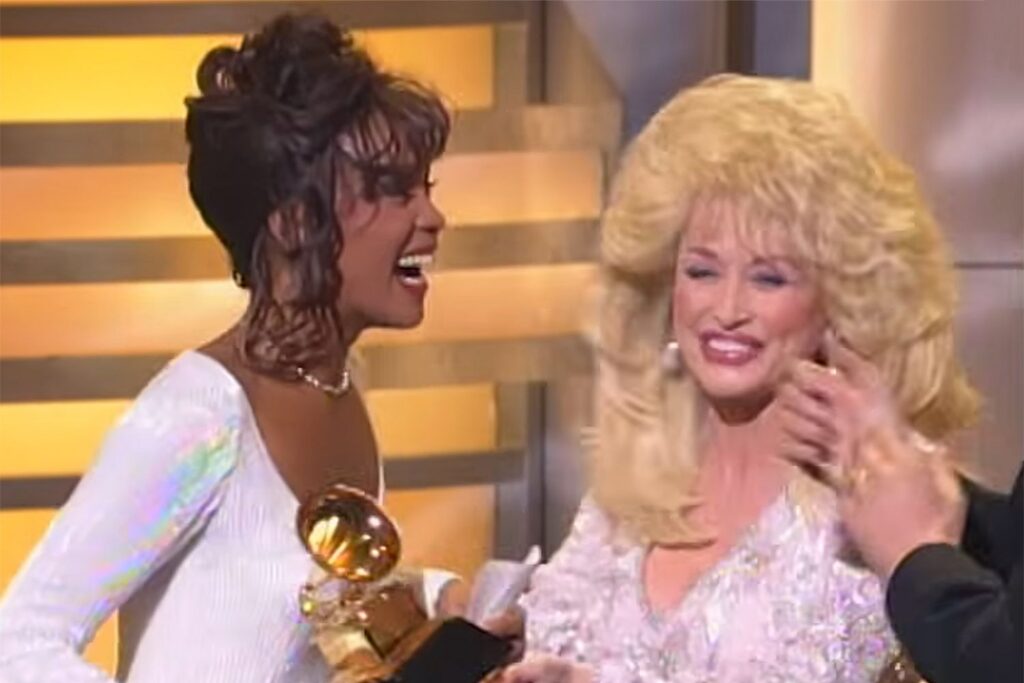
Almost twenty years later, Whitney Houston recorded that same song for The Bodyguard. The song was “I Will Always Love You,” and it became one of the biggest-selling records of all time.
Because Dolly Parton refused to give up ownership all those years earlier, every royalty came home to her.
And here’s the part that stays with me. By then she didn’t need the money. She had enough. So she took that money and put it to work reinvesting in Black communities.
Why Dolly Parton’s story is my story
Dolly grew up one of twelve children in a one-room cabin in the Smoky Mountains, with no running water. I was homeless on the streets of Los Angeles at 18. Neither of us was supposed to end up anywhere.
What saved us both was the same thing: somebody taught us that the free enterprise system wasn’t built to keep us out. It was a tool, and a tool works for whoever picks it up.
You make money during the day. You build wealth in your sleep. And wealth is about ownership. Dolly understood that before most of us had a name for it. She understood that a paycheck feeds you today and equity feeds your grandchildren, and she was willing to cry herself to sleep to protect her equity.
But ownership was never the end of the story for her. That’s the piece that makes her a hero of mine and not just a smart businesswoman.
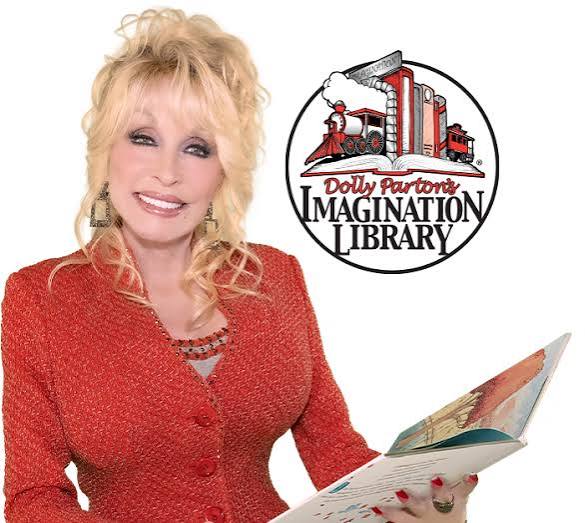
Dolly put her money into books. Her Imagination Library has mailed free books to hundreds of millions of children, no strings attached, and she started it because her own father never learned to read. She put her money into a vaccine during a pandemic. She put her money into Black neighborhoods that had nothing to do with country music and nothing to do with her, except that she saw people who needed a rainbow and decided to invest in one.
Rainbows only follow storms. You cannot have revitalization without investment. And all money is, in the end, is freedom. Dolly Parton got free, and then she spent the rest of her life setting other people free.
That is what I mean when I say Capitalism for All. It was never just about having the courage to go it alone in business. It’s about what you do once you win. Dolly won, and then she turned around and held the door open.
Honorary status
I said on camera this week that I was making Miss Parton an honorary Black person, in absentia. I meant it then, and I mean it now more than ever. She spent a lifetime treating people who didn’t look like her as her own. That’s how she rolled.
Rest well, Dolly. Thank you for showing us how it’s done.