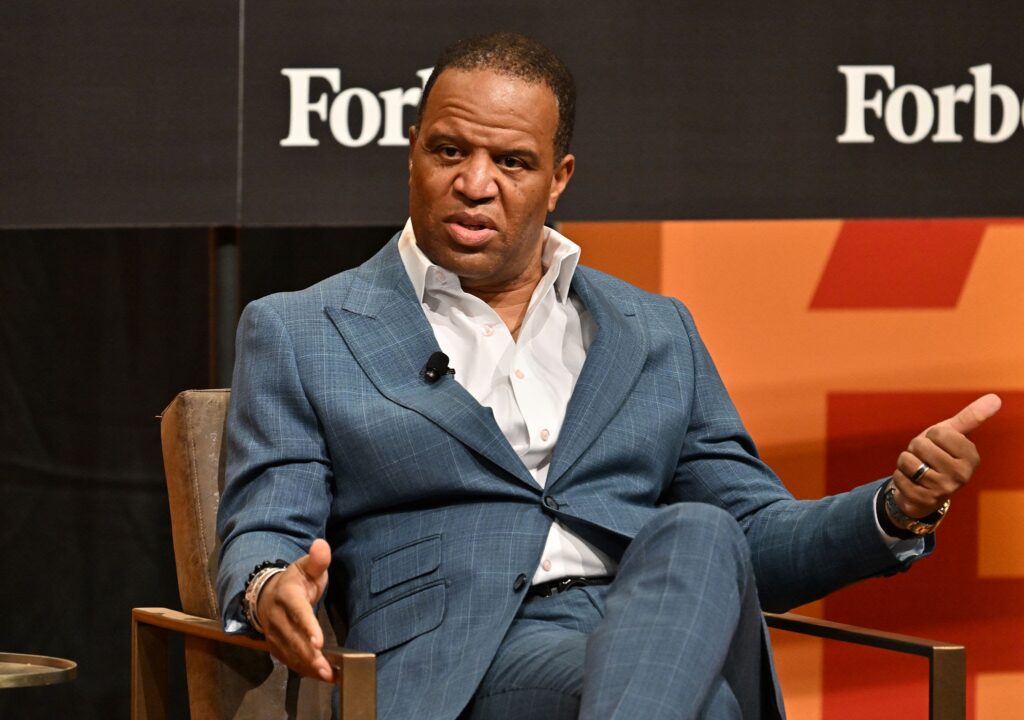
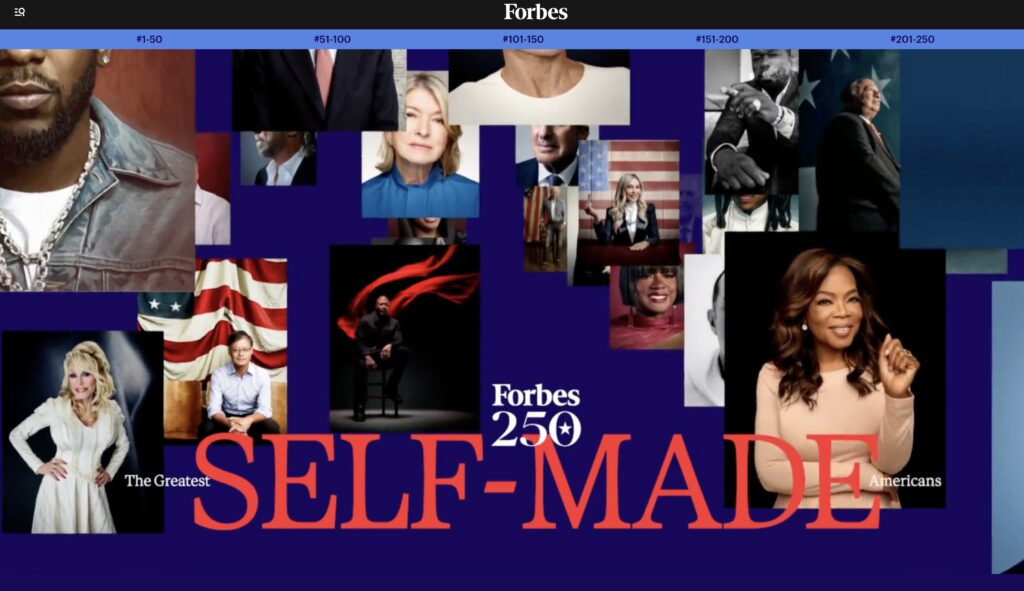
When Forbes announced its inaugural list of the 250 Greatest Living Self-Made Americans last week, in honor of our nation’s 250th birthday, I received the news with a profound sense of both personal gratitude and collective responsibility. To be recognized alongside luminaries like Oprah Winfrey, Dr. Dre, Supreme Court Justice Sonia Sotomayor, and LeBron James isn’t just an honor—it’s a validation of the path we’ve carved together at Operation HOPE, Inc., and a reminder of how far we’ve all come.
The Forbes methodology is particularly meaningful to me. The list was created using Forbes’ Self-Made Score, a one-to-10 ranking that measures the obstacles overcome, impact and financial success. This isn’t just about wealth accumulation—it’s about transformation, about turning adversity into advantage, struggle into strength.
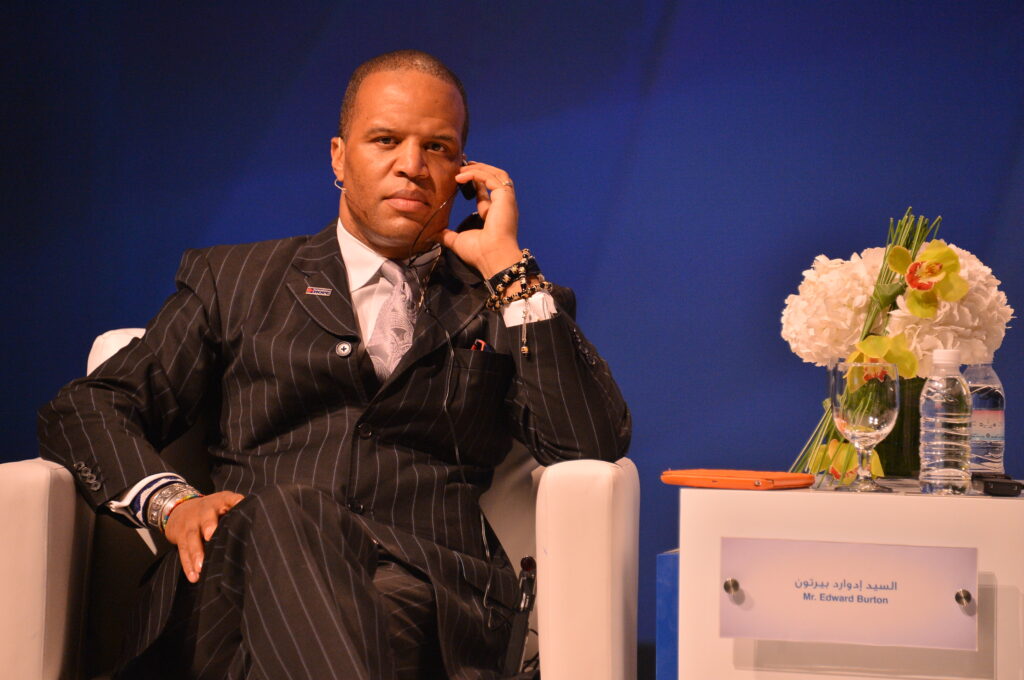
I was homeless before launching my first business venture. That reality, stark as it was, became the foundation of everything that followed. When you’ve experienced financial insecurity at its most visceral level, when you’ve felt the cold mathematics of poverty in your bones, you develop an urgency about economic empowerment that theoretical understanding simply cannot match.
The list reflects broader trends of humble upbringings, unequal beginnings and overcoming adversity that shape modern success in America, including a significant number of individuals who experienced extreme poverty in childhood, single-mother households, as well as a high representation of immigrants and first-generation Americans who built wealth from the ground up. This is the America I know—not the mythical version where success comes easily to the privileged, but the real America where greatness emerges from grit.
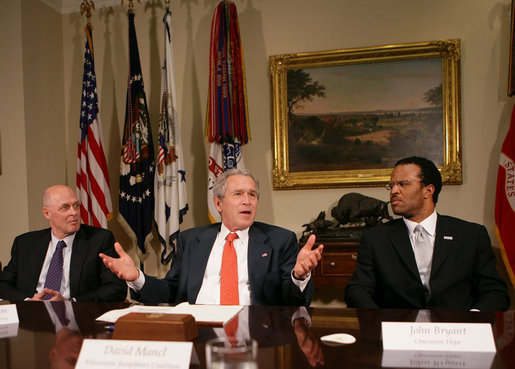
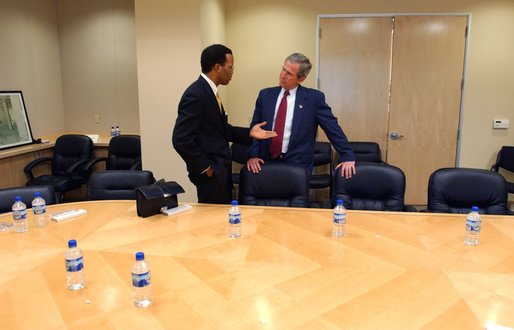
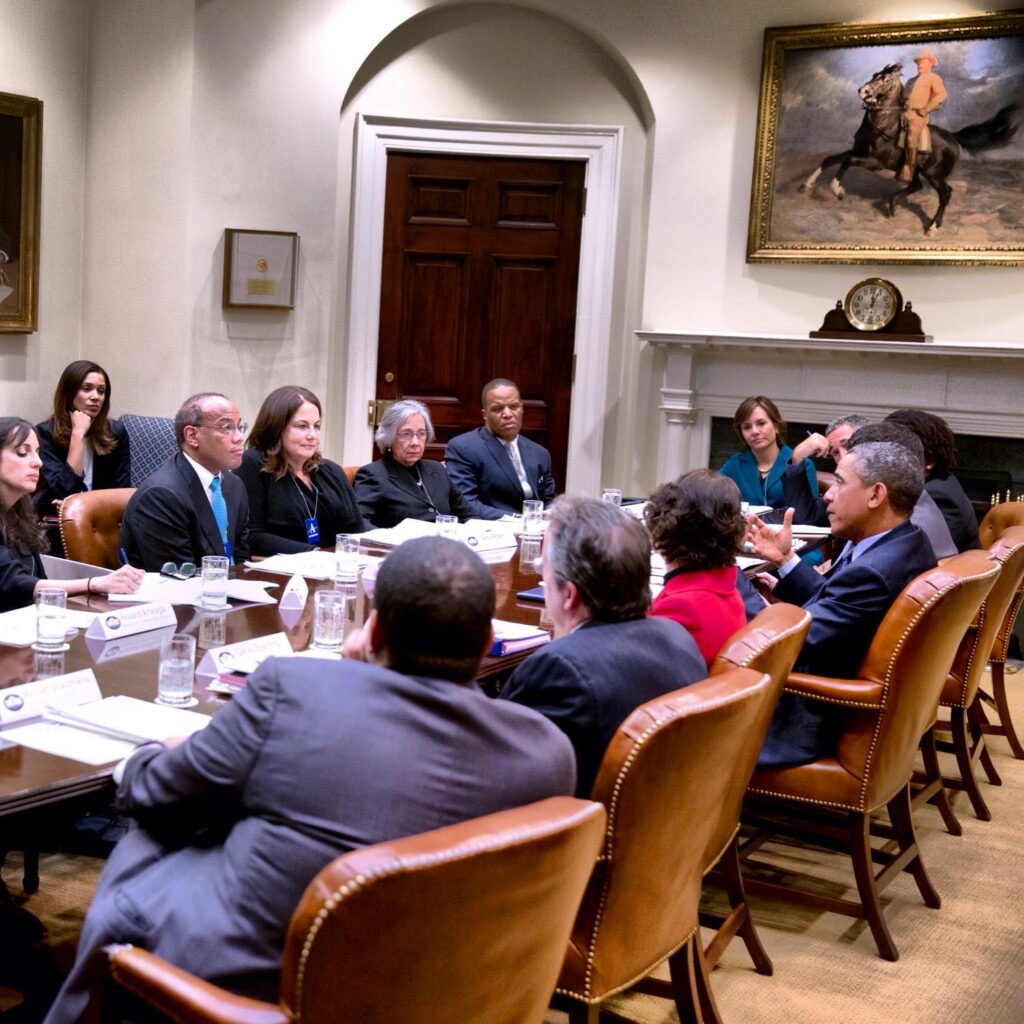
What strikes me most about this recognition is the timing. As Forbes notes, “The American Dream is built on the audacious belief that anyone can make it to the top. Every elementary school kid is imbued with the belief that anyone can become president of the United States. Or a hip-hop megastar. Or a space-faring billionaire”. But that dream needs infrastructure. It needs the financial literacy, the economic empowerment centers, the AI literacy training—all the plumbing that makes upward mobility possible.
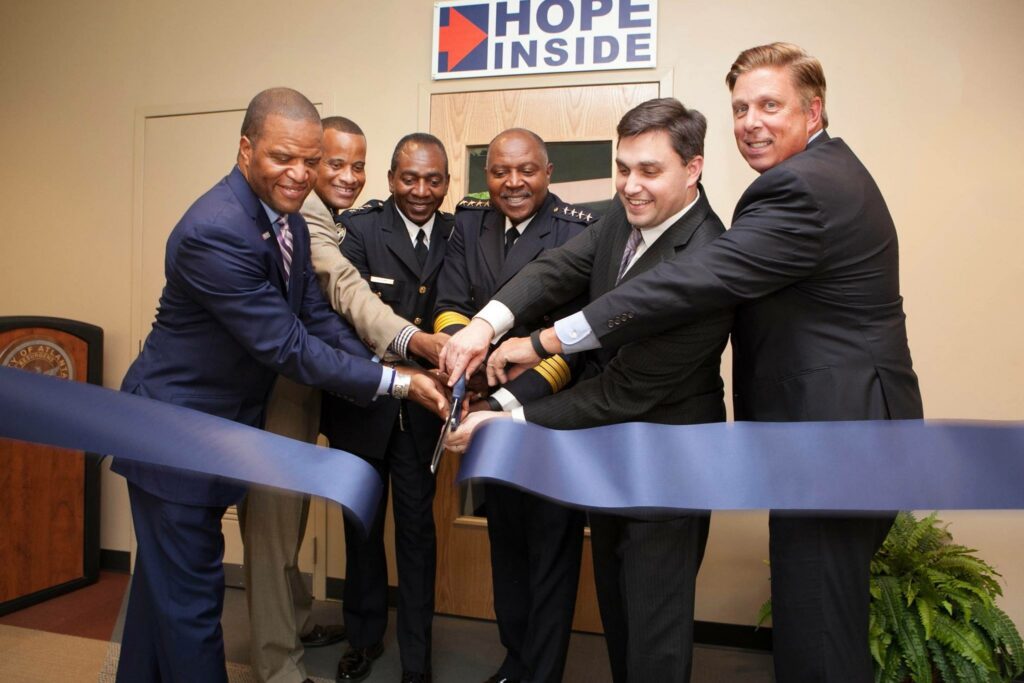
That’s been my role as America’s economic plumber. While others debate policy at 30,000 feet, we’ve been down in the trenches, building the systems that turn dreams into spreadsheets, aspirations into balance sheets. The Forbes recognition validates not just my journey, but the model we’ve proven works.
These stories embody the modern American ethos of dreamers, doers and entrepreneurs, underscoring a broader shift where success is increasingly shaped by adaptability, access and the ability to navigate and overcome systemic challenges, rather than inherited advantage. This is precisely why our work at Operation HOPE, Inc. matters more than ever. We’re not just teaching financial literacy—we’re building the infrastructure for the next generation of self-made Americans.
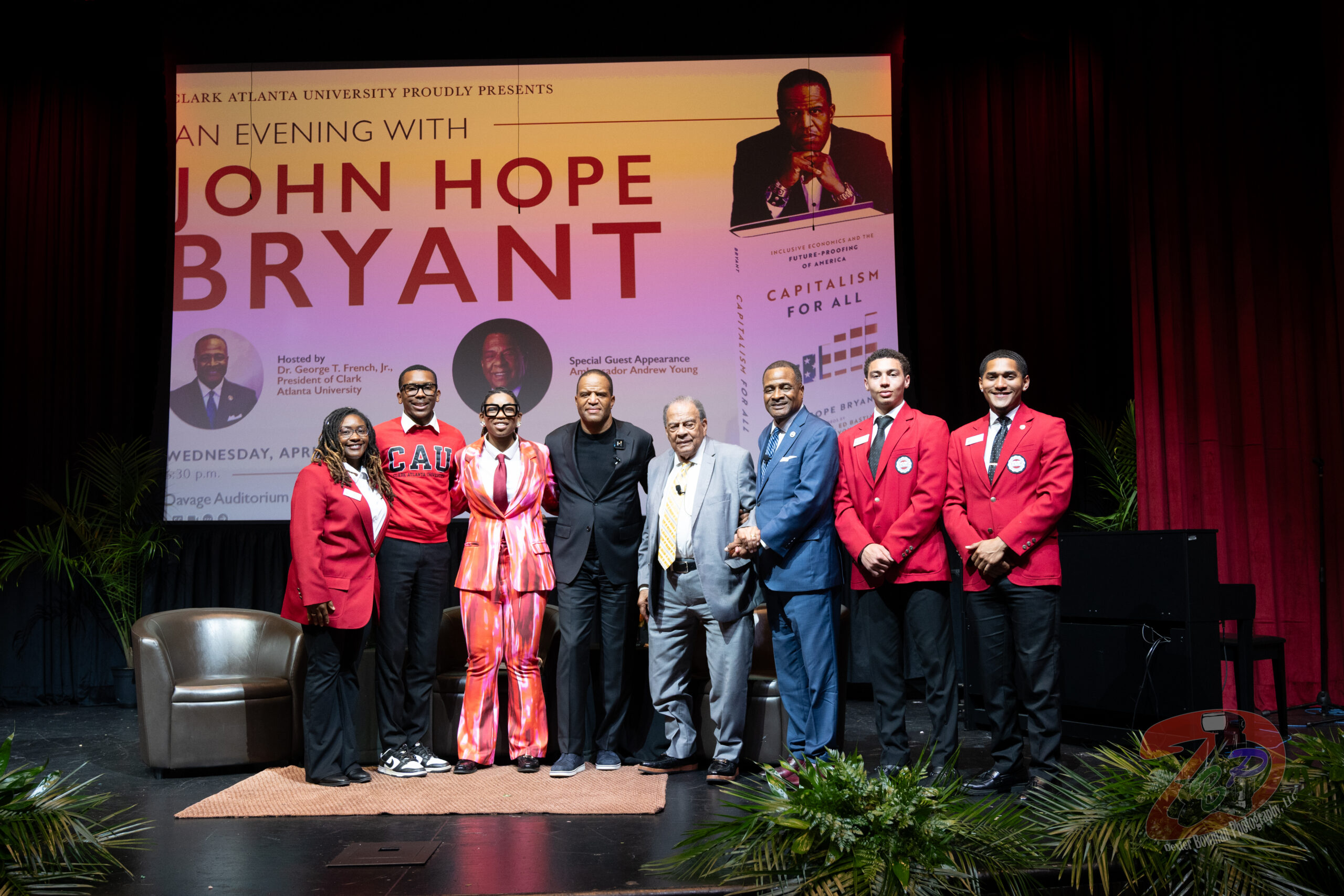
The recognition comes as I’m putting the finishing touches on Capitalism for All, a book that will lay out the complete blueprint for how we scale these success stories across every zip code in America. The Forbes list proves the model works—now we need to make it systematic, not accidental.
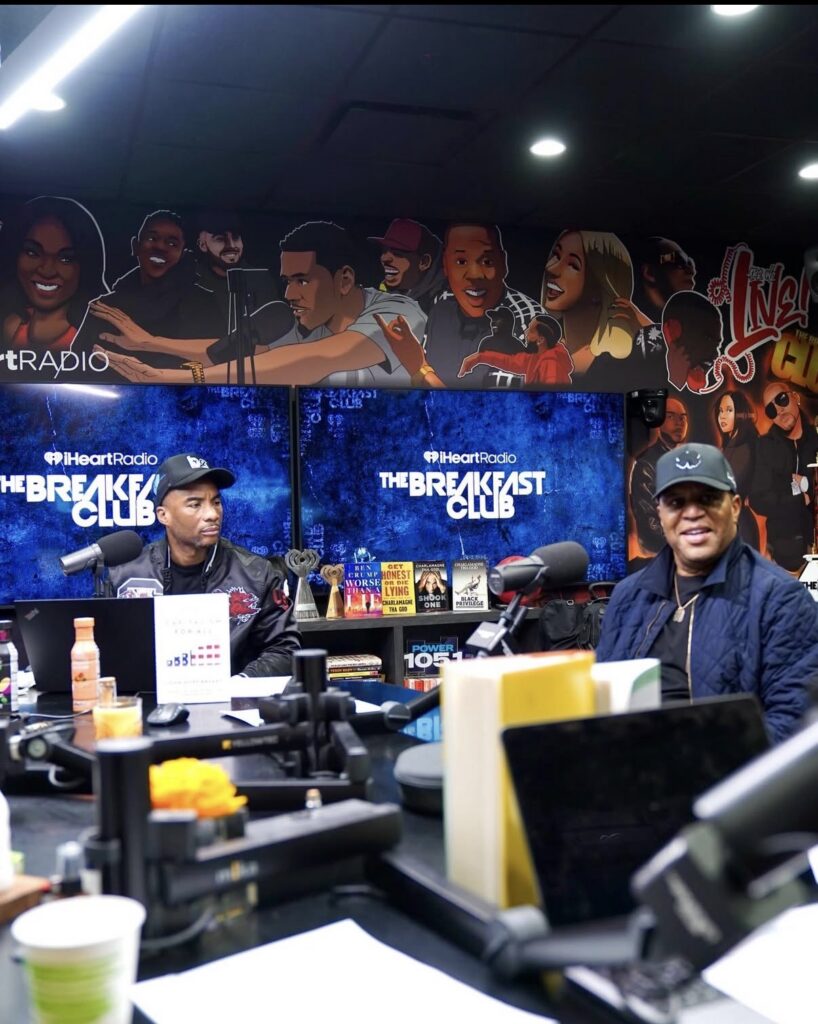
What particularly resonates about this moment is the company I’m keeping on this list. These are people who didn’t just overcome obstacles—they transformed those obstacles into assets. They didn’t just build businesses—they built movements. They didn’t just accumulate wealth—they redefined what wealth can do in service of others.
In June 2026, Forbes will convene the Forbes Self-Made 250 list makers in Philadelphia during the Forbes Self-Made 250 Celebration to recognize the pioneering leaders and role models on the list, while celebrating a reimagined American Dream. I look forward to those conversations, to learning from my fellow honorees about how we collectively ensure that self-made success becomes more accessible, not less.
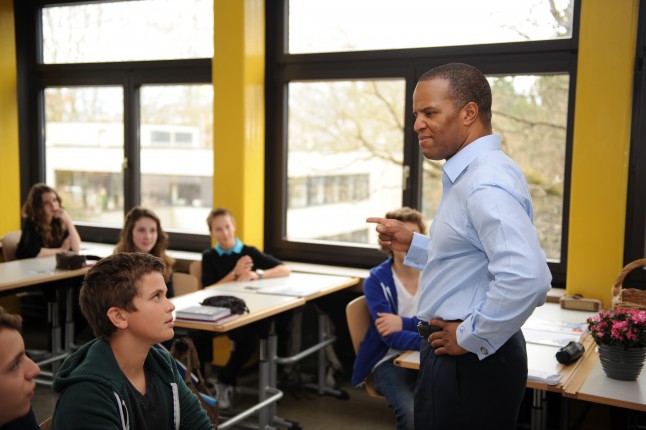
But here’s what I want readers of the Bryant Journal to understand: lists like this matter not because they validate individual achievement, but because they prove that systemic change is possible. Every person on this list represents not just a personal success story, but proof of concept for what America can be when we remove barriers and create pathways.
The Forbes 250 recognition affirms something I’ve always believed: the American Dream isn’t dead—it’s just poorly distributed. Our job is to change that distribution, one financially empowered community at a time.
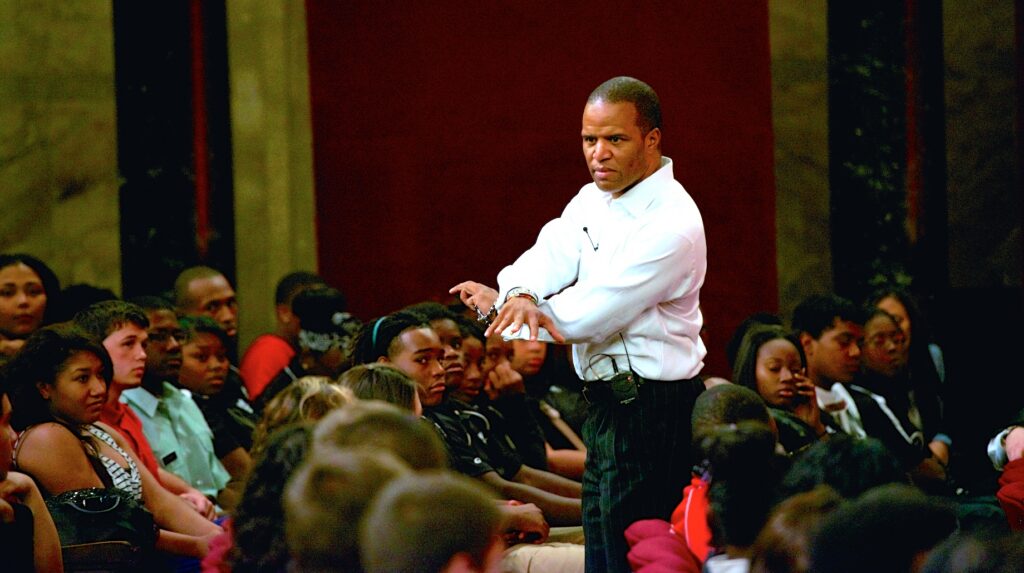
When I was homeless all those years ago, sleeping wherever I could find shelter, I wasn’t thinking about Forbes lists. I was thinking about survival, about dignity, about creating something better. The recognition is gratifying, but it’s also a reminder of responsibility. Every person we haven’t reached yet, every community still locked out of economic opportunity—they’re why this work continues to matter.
The Forbes 250 Greatest Living Self-Made Americans list tells a story about resilience, innovation, and the power of human potential when barriers are removed. But it also tells us something else: we need more self-made Americans, not fewer. And that means building better infrastructure for opportunity.
Thank you to Forbes for seeing not just the individual journey, but the movement it represents. Thank you to everyone who has been part of this story—from the Operation HOPE, Inc. team to the communities we serve to the corporate partners who understand that the American Dream works best when it works for everyone.
The recognition is appreciated. The work continues. And the best is yet to come.
John Hope Bryant — founder of Bryant Group Ventures, Operation HOPE, Inc, publisher of the Bryant Journal and author of his 7th book Capitalism for All: Inclusive Economics and the Future Proofing of America, now a bestseller.