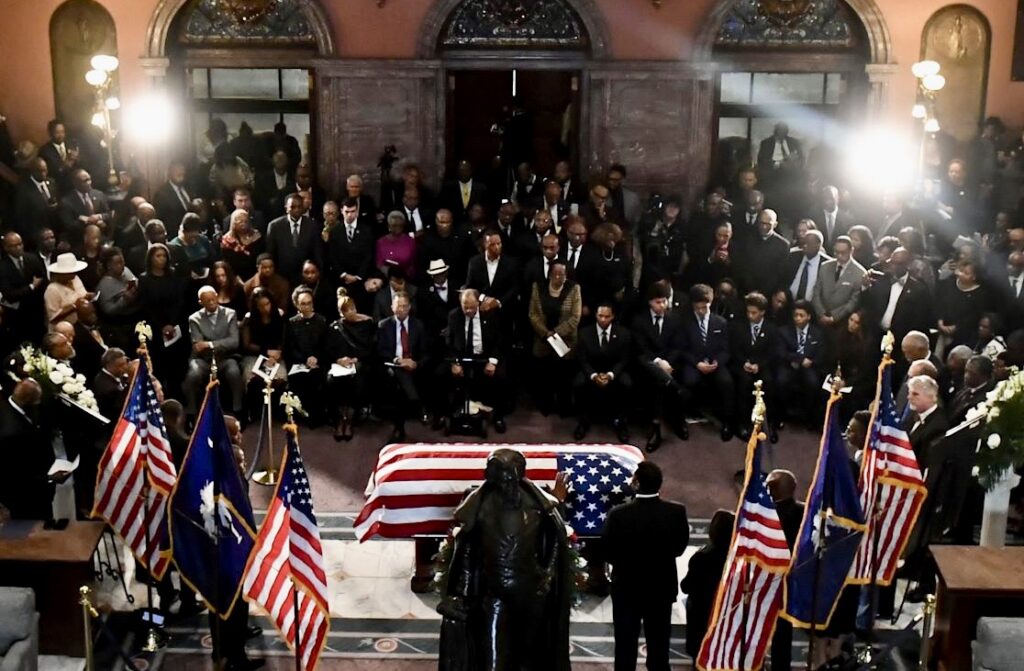
This past Monday, civil rights icon Ambassador Andrew Young and I traveled to the State Capitol of South Carolina to pay our final respects to a man who bent the arc of history with his bare hands — Reverend Jesse Louis Jackson, Sr.
We were accompanied by our wives — Chaitra Bryant and Carolyn Young — a reminder that movements are sustained not only by public courage, but by private partnership.
This was not politics. This was history.
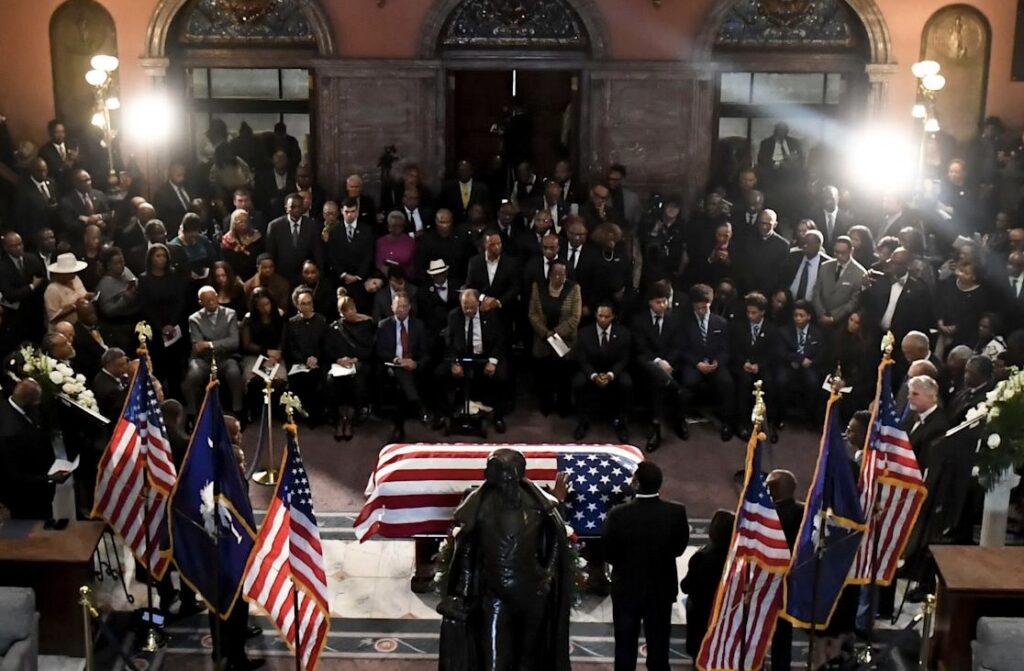
Inside the South Carolina State House, beneath the dome where so many chapters of America’s unfinished story have unfolded, Reverend Jackson lay draped in the American flag — a son of South Carolina who challenged America to live up to its promise.
Ambassador Young entered into that rotunda with quiet gravity. A man who stood beside Dr. Martin Luther King Jr. in the 1960s. A statesman who helped shape landmark legislation. A witness to the cost of change.
On Monday, he came not as a diplomat, but as a friend and fellow freedom fighter.
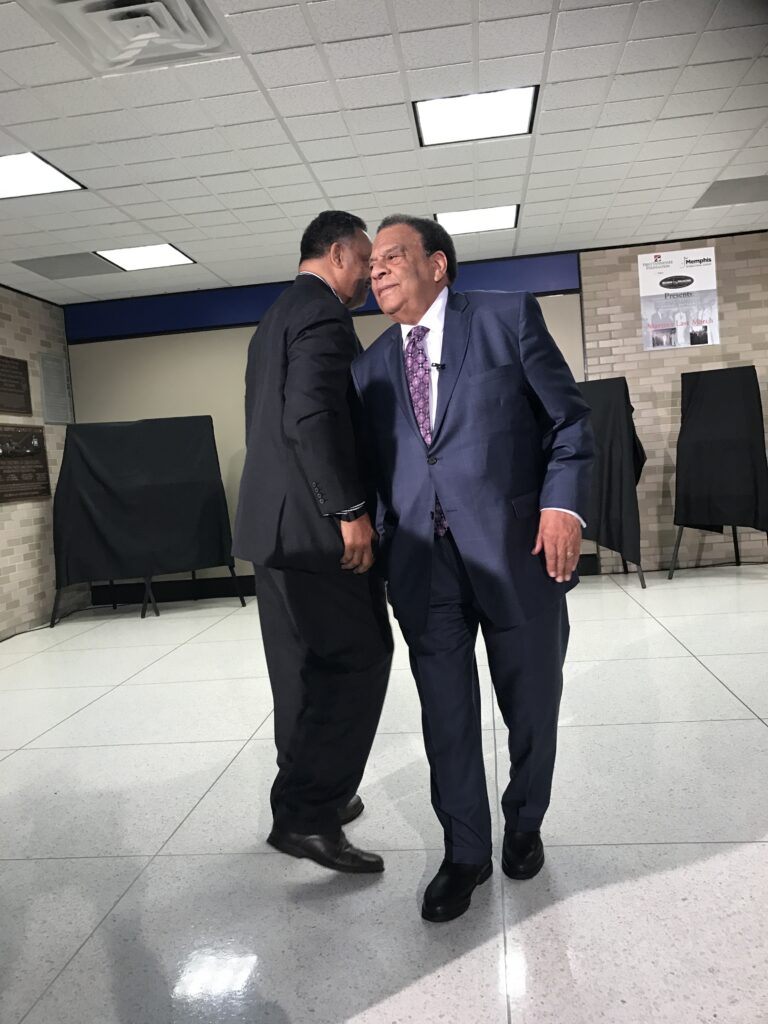
And I came in respect — as a businessman and Silver Rights advocate who has worked to extend the fight for dignity into the arena of economic inclusion.
But the day was not about us.
It was about Reverend Jackson.
A Life That Expanded America
Reverend Jackson was not merely a protester. He was a strategist. Without him, we may never have seen a President Barack Obama.
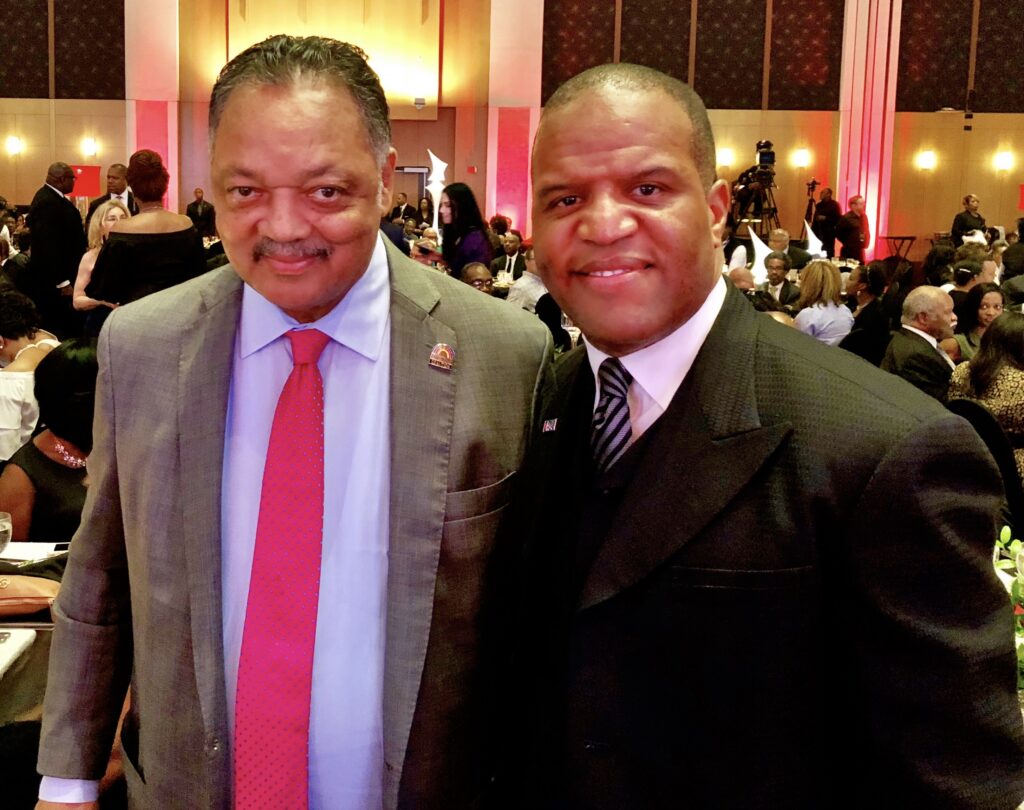
He registered millions of voters when others said it could not be done.
He ran for president when America said it was not ready.
He built the Rainbow PUSH Coalition before the country had language for multiracial democracy.
He believed that the margins belonged in the mainstream.
And he forced institutions — political, corporate, and civic — to widen their doors.
Standing there, one could not help but reflect on the sheer audacity of his belief: that America could grow beyond its fear.
The Jackson Family
The Jackson family received guests with dignity and grace. Multiple generations stood together — composed, strong, aware of the magnitude of their patriarch’s contribution.
Chaitra and Carolyn spent time offering condolences and sharing quiet words of comfort. It was a reminder that behind every public figure stands a family that carries both the burden and the blessing of leadership.
Legacy is never solitary. It is shared.
Civil Rights and Silver Rights
Reverend Jackson’s work centered political access and moral dignity.
My own life’s work has centered economic access and financial dignity — what I call Silver Rights.
These are not competing missions.
Civil Rights secured the right to vote.
Silver Rights seeks to ensure the ability to build wealth.
Civil Rights demanded access.
Silver Rights insists on ownership.
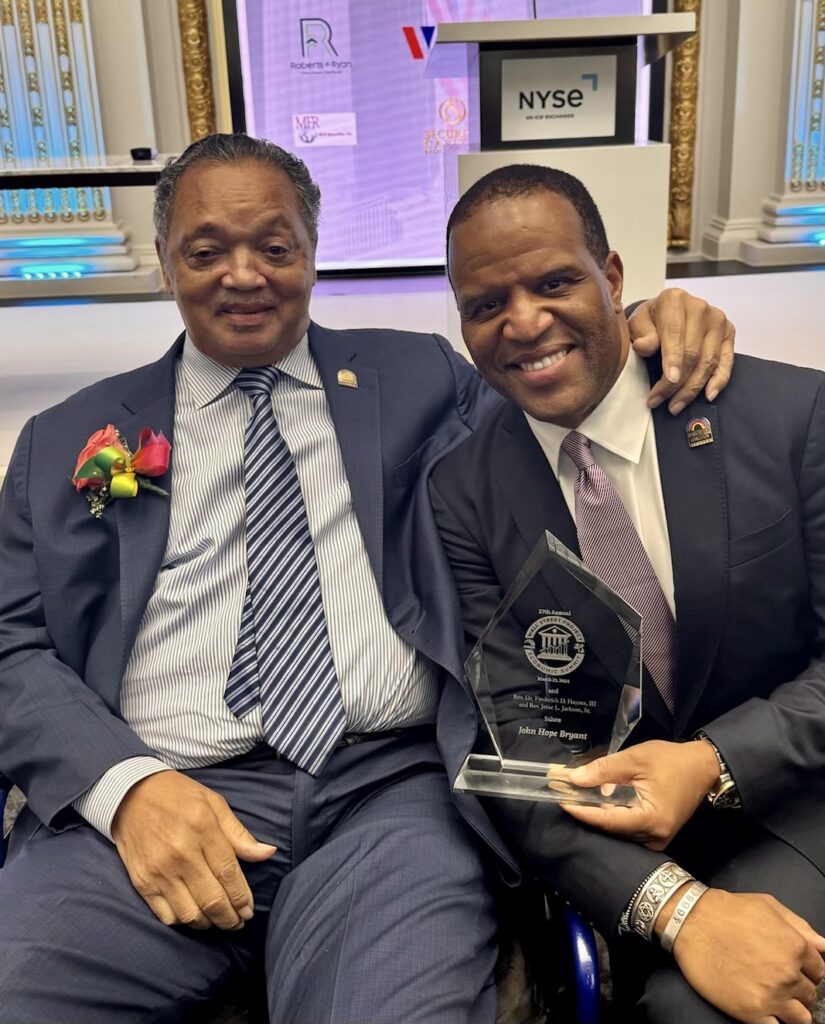
Reverend Jackson understood that power without economic footing is fragile. He pressed corporate America long before it became fashionable to speak about inclusion. He believed markets and morality could coexist — and that justice required both.
That belief influenced generations — including mine.
Ambassador Young’s Presence
To stand beside Ambassador Andrew Young in that moment was humbling.
There were no grand speeches. No performance. Just respect given. Just presence.
Sometimes the highest respect is shown in quiet solidarity.
From Selma to South Carolina, from the streets to the State House, Ambassador Young’s life represents continuity — and yesterday was a reminder that history is still alive among us.
A Final Salute
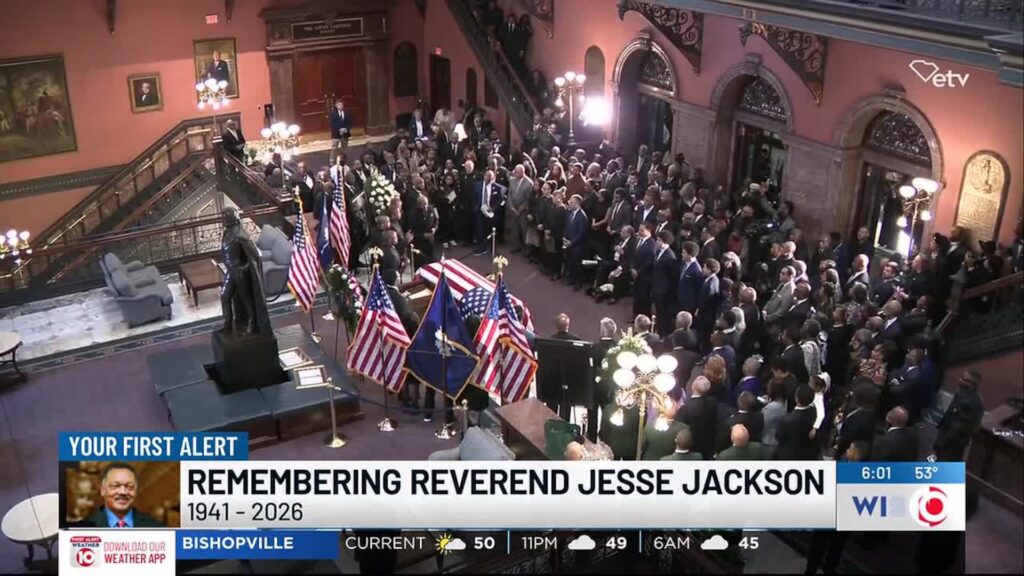
Reverend Jesse Jackson expanded the American conversation.
He challenged presidents.
He inspired the marginalized.
He pushed corporations.
He believed relentlessly.
America is broader because he insisted it be.
On Monday, four of us walked into that rotunda — two men shaped by different chapters of the same movement, and two extraordinary women who have sustained us along the way.
We walked in not to speak.
But to honor.
Rest well, Reverend Jackson.
Your work mattered.
Your voice echoed.
Your life expanded the circle.
And history will remember.
John Hope Bryant — founder of Bryant Group Ventures, Operation HOPE, Inc, publisher of the Bryant Journal and author of his coming book Capitalism for All: Inclusive Economics and the Future Proofing of America.