On the Edge of the Old World and the New
Chaitra Bryant and I arrived in Dubai just as the night was giving way to morning—when the air is still, the city quiet, and the future feels close enough to touch.
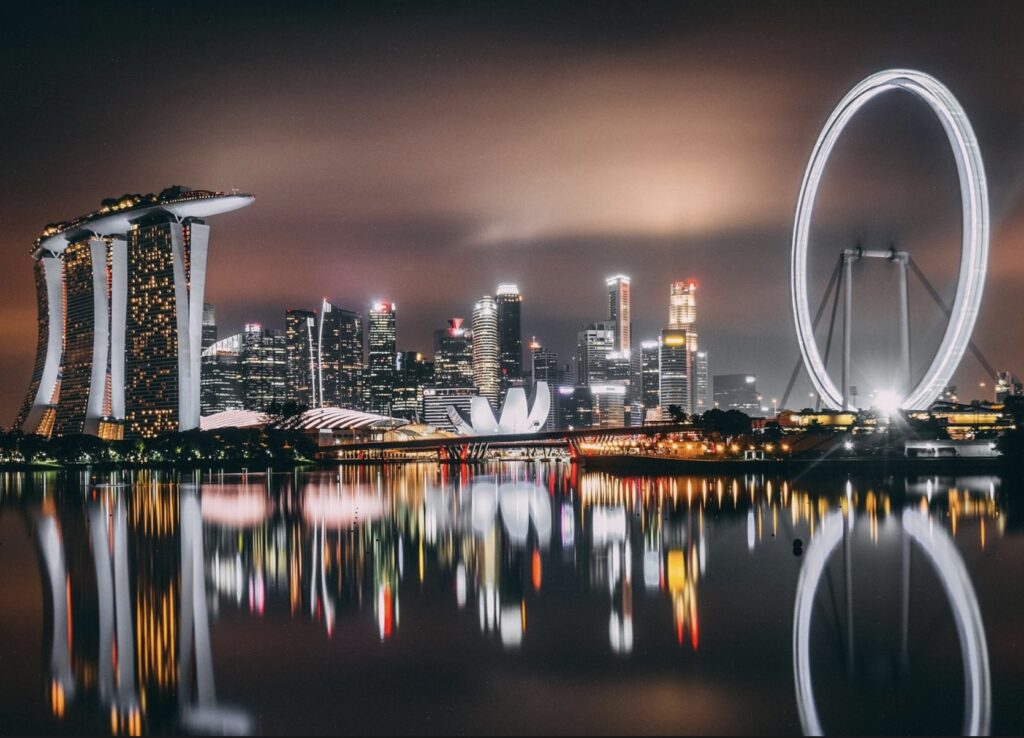
Some places announce themselves the moment you land. Dubai does not whisper. It signals. Not with noise or excess, but with clarity. Order. Intent. Even the airport feels less like a terminal and more like a statement: we planned this, and we’re not done yet.
Before the skyline, before the steel and glass, before the headlines and superlatives, this was desert. And long before it was desert as metaphor, it was desert as reality—unforgiving, humbling, honest. Survival here required discipline, foresight, and cooperation. The Bedouin understood something modern societies often forget: tomorrow matters more than today.
The United Arab Emirates sits at an ancient crossroads. For centuries, this region connected East and West—Africa, India, Persia, Europe—through trade, navigation, and exchange. Long before oil, there were pearl divers risking their lives in open water. Merchants reading the stars. Families passing down knowledge instead of possessions. This was never an empty place. It was a demanding one.
Scarcity teaches lessons abundance never can. It forces clarity. It rewards preparation. It punishes waste.
When the UAE formally came together in 1971 under the leadership of Sheikh Zayed bin Sultan Al Nahyan, the country made a choice that many resource-rich nations never do. It refused to let wealth become its identity. Oil was treated not as destiny, but as leverage—a temporary advantage to build something permanent.
That decision changed everything.
Rather than extracting and consuming, the UAE invested. In people. In education. In infrastructure. In diplomacy. In tolerance. The leadership here understood that the most valuable natural resource is not what lies beneath the ground, but what lives within a population. Vision came first. Capital followed purpose.
That’s the throughline you feel today. Dubai’s speed is not accidental. Its scale is not reckless. Its ambition is not improvised. This is what long-term thinking looks like when it is executed with discipline. Government here functions less like a referee and more like a platform—setting direction, building capacity, and inviting the world to participate.
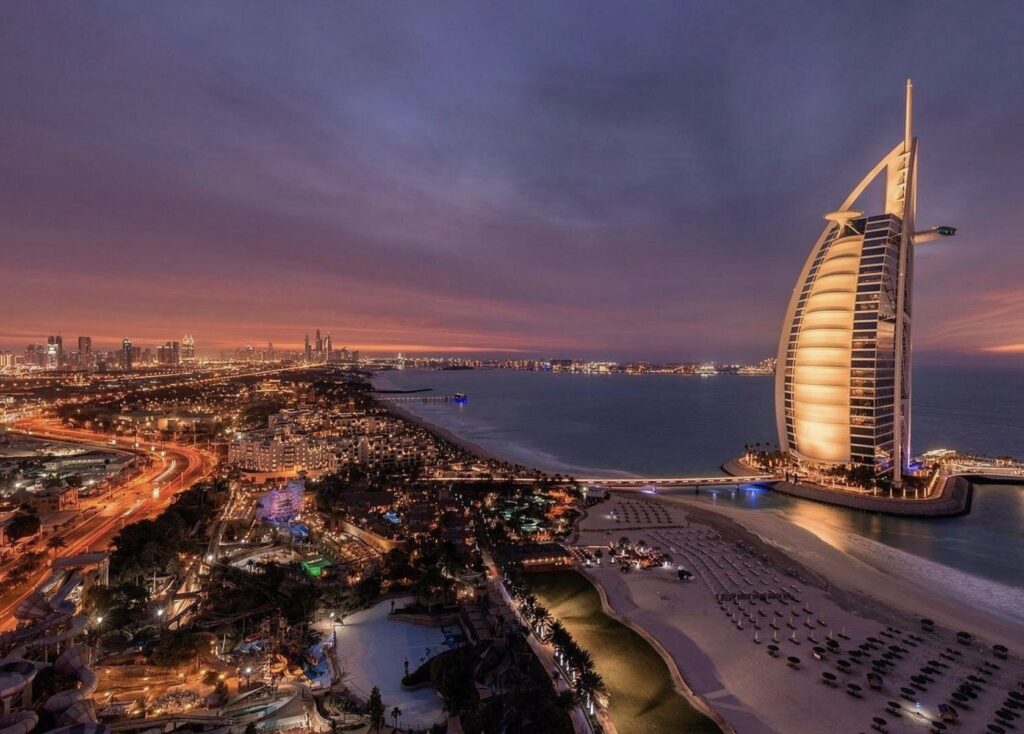
There is a quiet confidence in that approach. A willingness to experiment. To build, test, adjust, and build again. From free economic zones to investments in artificial intelligence and clean energy, the UAE has embraced the idea that the future is not something to fear or delay—it is something to design.
As an American, a capitalist, and a student of history, I find that deeply resonant.
Every society must answer the same fundamental question: Who gets to participate in prosperity? The answers vary by culture and context, but the principle is universal. Growth that excludes eventually collapses. Wealth that concentrates too tightly destabilizes. Ladders matter. Access matters. Dignity matters.
Dubai is not trying to become the West. It is not chasing someone else’s model or borrowing another civilization’s identity. It is doing something far more difficult—and far more impressive. It is becoming itself, faster and more deliberately, on its own terms.
That is why the World Government Summit belongs here.
This is not just a convening of leaders. It is a gathering of ideas about how societies can govern better, grow smarter, and prepare more honestly for what’s coming next. Technology. Demographics. Climate. Capital. Human potential. These forces don’t respect borders. They reward foresight and punish denial.
I came here to speak, yes—but also to listen. To observe. To learn. Every meaningful conversation about the future should begin with humility, especially in a place that has already turned vision into reality.
This journal entry ends at arrival by design. The speech comes next. But before the conversation begins, it’s worth acknowledging where we are—and what it took to get here.
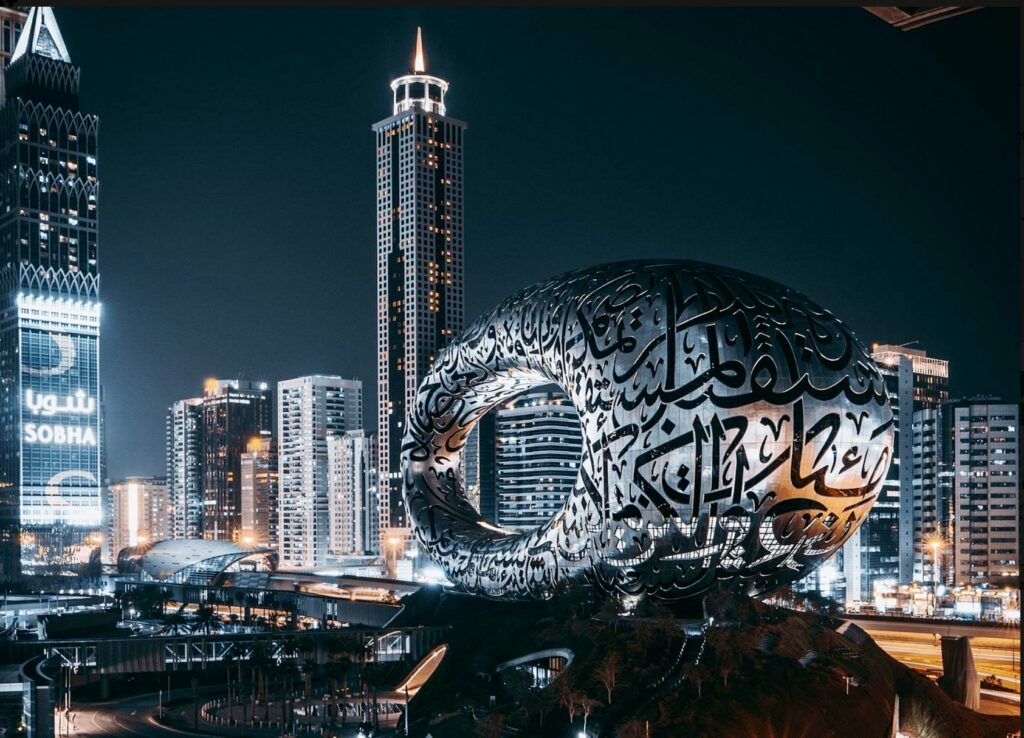
Some nations inherit history. Others build it.
Dubai is doing both.
A special thank you for my invitation to come here and to speak and experience the nation, from Ambassador Yousef Otaiba, a long time friend, and H.E. Minister Al Olama, a new friend and the newest member of the AI Ethics Council, who is also organizing and leading the World Governments Summit. Job well done gentlemen. You and your teams.
John Hope Bryant