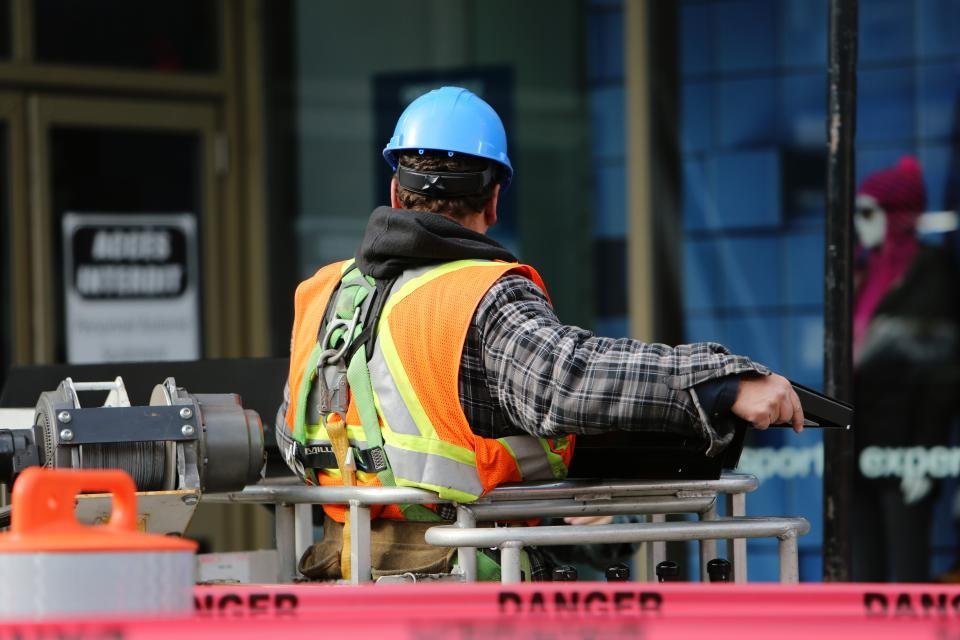
The next time you see a snowplow or a street sweeper with a city logo on the door, ask the driver who signs the paycheck. More often than you’d think, the answer is a private company working under contract. That one question opens a door most people walk past every day.
We open Season 3 of Money and Wealth right there, in the businesses a city has no choice but to buy. Trash collection and street sweeping. Plumbing, HVAC, elevator repair and pest control. Fire inspections and environmental compliance. Cybersecurity, payroll, grant writing and records digitization. Elder care, after-school programs and meal services. My father poured concrete for a living, and he dragged me out on the job more than once, so I come by my respect for this kind of work honestly. None of it gets applause. All of it gets paid, again and again.
I sort these into five categories and explain why they tend to hold up when the economy turns: the demand doesn’t go away, the contracts run for years, local trust matters, and once a city trusts you it rarely wants to switch. A multiyear contract becomes more than cash flow. It becomes an asset. Later in the episode I sit you down at a negotiating table to explain capitalism in its simplest form, and why a good deal leaves everyone slightly annoyed.
You don’t need all fifty of these businesses. You need one. Pick your lane, learn it deeply, serve it well and let the credit go to someone else. Opportunity was never hidden. It was just overlooked.
🎧 Listen now — wherever you get your podcasts, or simply click below.
Prefer to watch? The full episode is on YouTube.