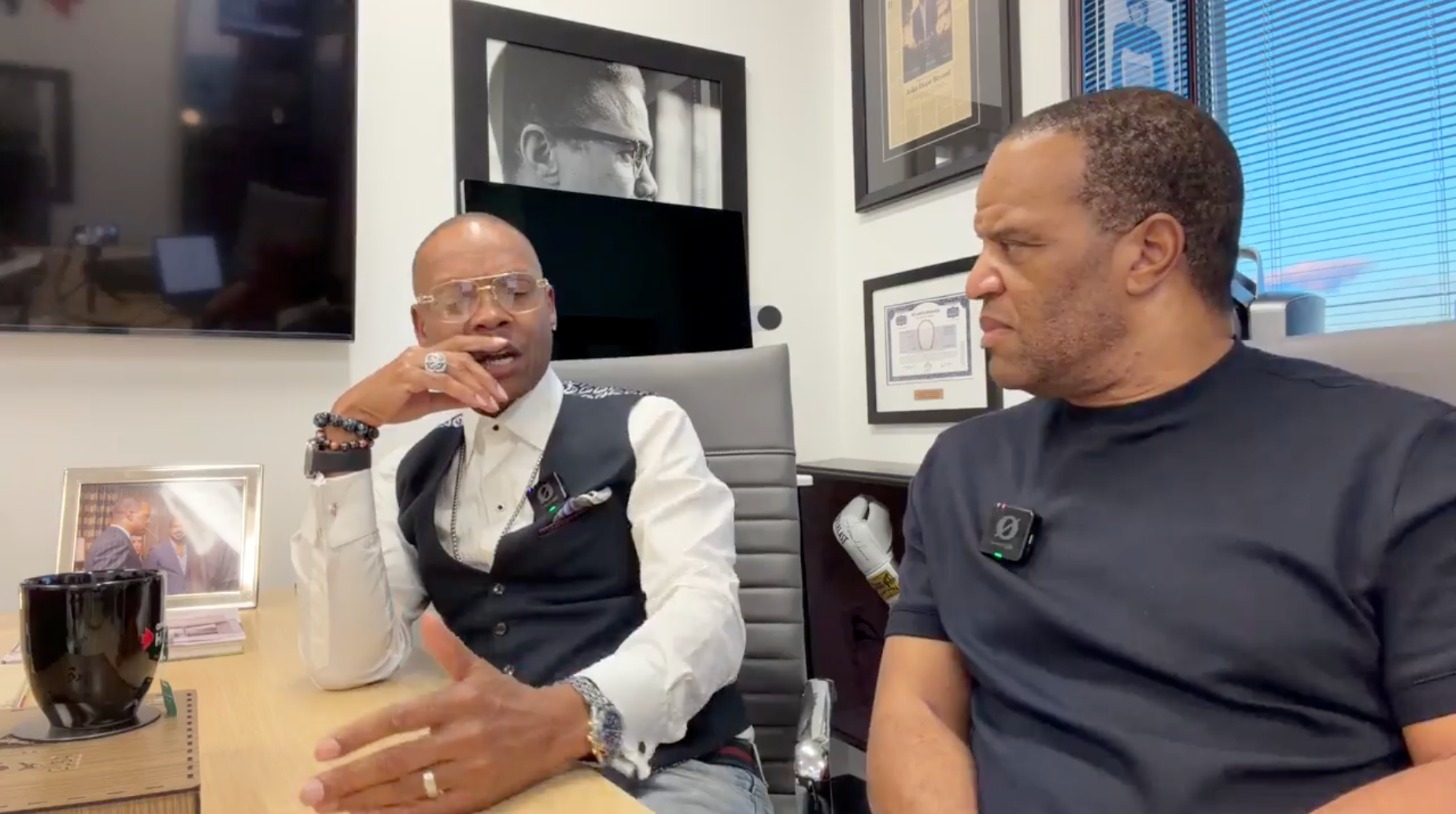
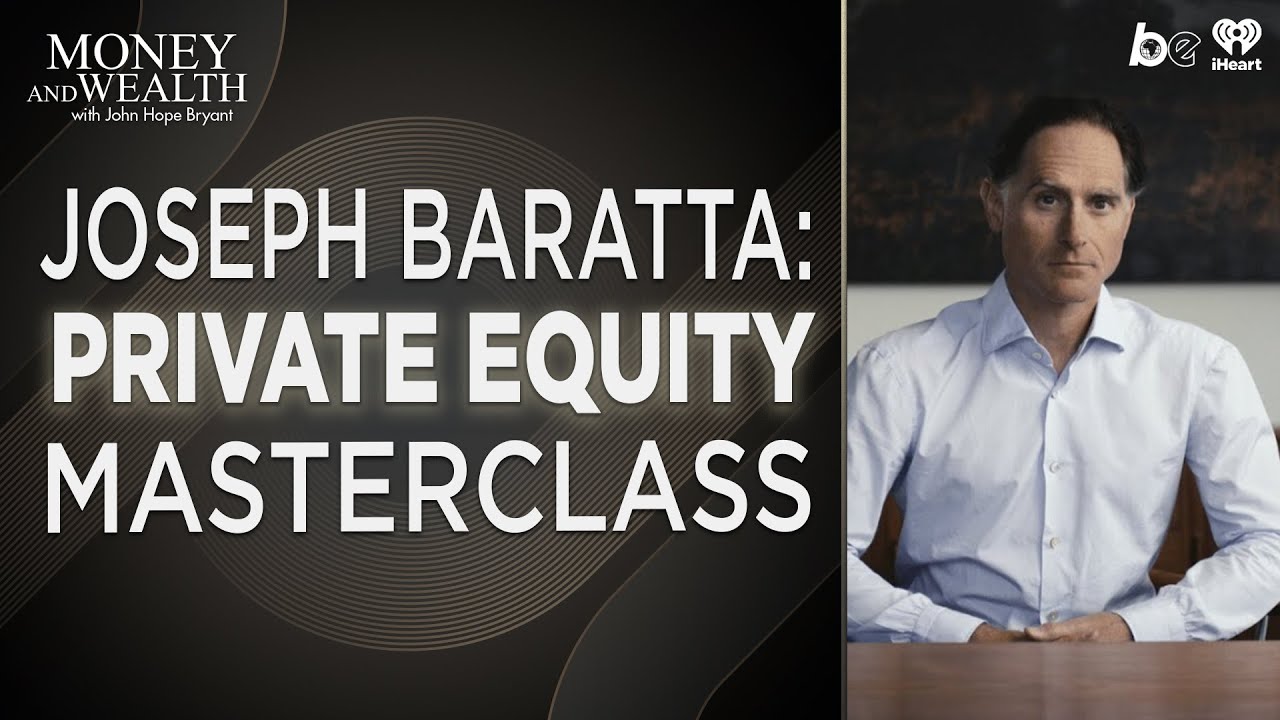
Talent is universal. Opportunity is not. That idea sits underneath this conversation with Joe Baratta, Global Head of Private Equity at Blackstone, the largest alternative asset manager in the world. I met Joe at a conference and we connected right away. Since then I have come to count him as a friend, and what impressed me was never the size of his firm. It was how decent and authentic he is, which is the credential I care about most.
From Sacramento to the top of Blackstone
Joe grew up in a suburb of Sacramento. His parents did not go to college. His father moved from Cleveland to Southern California at nineteen, was a bodybuilder in the early 1950s, and opened a gym because he wanted to make a living doing what he loved. His mother worked in one of those gyms. They could not coach him through the SAT or the college application, but they made sure he got to the best schools possible, and his father believed completely that you are limited only by your imagination and aspiration. Joe took that belief to Georgetown, where he had never even seen the campus before he was admitted, and he landed at Morgan Stanley after a friend recommended him. I had my own version of that story growing up in South Central Los Angeles. A mother who gives you self-esteem and a father who gives you confidence will take you a long way.
Relationship capital
The lesson I pulled out of Joe’s path is that environment matters. If you spend your time around nine broke people you will be the tenth, and the reverse is just as true. One person vouching for Joe changed his career, and somebody did the same for me. I want everyone listening to become the person who vouches for someone else.
What private equity actually is
This is the part I wanted to unpack, because too many people are embarrassed to admit they do not know the terms Wall Street throws around. Joe explained it plainly. Blackstone raises money from pension plans and institutions, including the California State Teachers’ Retirement System, along with funds managed for other states and countries. It uses that money to buy controlling stakes in companies, give them capital and better management, and eventually sell them or take them public. The returns go back to retirees and public workers. Blackstone manages about $1.2 trillion across the firm, and the private equity group oversees roughly $400 billion in equity investments. When the funds return more than eight percent, Blackstone keeps a share of the profit, usually between ten and twenty percent. Main Street and Wall Street are already connected.
Three companies, three ways to build
Joe gave three examples. Merlin Entertainments began as a small British company with aquariums and the London Dungeon and about fifteen million dollars in annual cash flow. Blackstone backed its young CEO, bought the Legoland parks from Lego, and took the company public on the FTSE 100 in 2014, with nearly every full-time employee owning equity. Copeland, the compressor business carved out of Emerson, has fifteen thousand employees and one of the largest employee ownership programs in the country. And Jersey Mike’s was built by Peter Cancro from nothing into an eight billion dollar business, with a professional partner stepping in to help it scale. I told Joe that capitalism is not evil. Bad capitalism is. There is good capitalism, and it has been a poor storyteller about itself.
Access is what makes merit real
Joe told me he did not have easy access, and he understood early that you cannot have a meritocracy without equal access to opportunity. When he came back from London in 2012, a colleague introduced him to Year Up, which trains young people who have the skill and ambition but got derailed, and places them in internships at companies like Bank of America, Goldman Sachs, Alphabet and Salesforce. Many of them convert to full-time jobs. Joe asked what Blackstone could do at scale. The firm controls about a hundred businesses, so he started looking at recruiting practices across those companies, and widened the doors to people from the wrong zip codes, veterans and new immigrants. It began with six companies and is now about fifty, with no government mandate behind it. He told me he wishes it got as much attention as broad-based employee ownership, because getting the job in the first place changes a life.
Can a young dreamer still do this?
I asked Joe whether someone with a niche business idea and a roll-up strategy can still get the attention of a private equity firm. His answer was yes, and that it is easier now than it was thirty years ago. There are thousands of firms looking for great entrepreneurs, and the internet and AI make it easier to find them. It takes a lot of work, but hustle counts as much as a degree.
Why I wanted him on the show
I have a rule about the people I put my name next to, and Joe passes it. He did his job well first, and then he asked what good he could do with the position. That is the right order. We could have gone on for another hour, and I hope he comes back for part two.
Watch the full conversation
Listen to the full episode of Money & Wealth with John Hope Bryant on iHeart, on the Black Effect Podcast Network.
— John Hope Bryant
John Hope Bryant — founder of Bryant Group Ventures, Operation HOPE, Inc, publisher of the Bryant Journal and author of his 7th book Capitalism for All: Inclusive Economics and the Future Proofing of America, now a bestseller. Bryant was recently recognized as a member of the Forbes 250 Greatest Living Self Made Americans, on the occasion of the 250th anniversary of America itself. Get the book →