When I come at you myself, with no guest, it is because there is something I want to say to you directly. I believe the economy is essentially strong, but outside forces are going to create some short-term challenges, so over the next six to eight months be mature about your decisions and do not do anything flaky. That got me thinking about this generation, and about what I see on social media that frustrates me, because I think people are misguided. This episode is called The Ownership Generation, and the first principle is simple: you don’t build a life by renting one.
Renting a life versus owning it
If you are in your twenties, thirties or forties, you are making this decision every day, even without knowing it. You are either renting your life or building toward owning it. Plenty of people have convinced themselves that renting is smart. I think it is the most expensive lie in the economy, and I notice who says it, which is often people on television telling working families not to buy a home while they own several themselves. I am a landlord myself, so I am talking against my own interest. I want you with me short term and then owning, with me or with somebody else. Renting has become a brand and a vibe, and I want to challenge that, not to shame anyone but to free someone. The landlord is always building equity. When your rent check goes out the window, it is writing someone else’s wealth story.
The same goes for renting your job, your relationships and your identity. If you are mailing it in at work, you are wasting your time and your employer’s. Relationships are covenant and not only transactions, so ask who you are hanging around and who is smarter than you. And don’t rent your future out to algorithms, trends and other people’s opinions, or to people who don’t have a future of their own.
The numbers
I acknowledge the structural realities. Redlining was real, and many communities were deliberately cut off from the wealth building machinery of this country. But the answer to a system that excludes you is not to exclude yourself further. It is to demand a seat, build the capital to buy one, and hold the door open for everyone behind you. Drawing on Federal Reserve data, I shared that the average homeowner’s net worth was about $430,000 against about $10,000 for the average renter, a gap of roughly forty-three to one at similar incomes.
Take two twenty-eight-year-olds in the same city, each with a housing budget of about two thousand dollars a month. One rents. One buys a median-priced home with ten percent down and a thirty-year mortgage. Thirty years later, the renter has paid about $1.2 million in rent and owns nothing, while the owner has a home worth conservatively around $800,000 owned free and clear. Same money, same years, two completely different lives. That is not an accident. It is a decision, and most people do not even know they are making it. When I owned seven hundred homes, annual income and expenses nearly equaled out, and what I benefited from was appreciation over time. I am not a genius. It is the magic of compound interest, and it works for you when you own and for your landlord when you rent.
Four pillars of an ownership mindset
You own your story, so stop outsourcing your narrative to your circumstances. You own your decisions, not your parents, your zip code or your algorithm. You own your development, because investing in yourself is not arrogant, it is stewardship. And you own your legacy, which means asking who you are building for. I grew up with nothing in Compton and South Central, and I slept in my Montero in Los Angeles for months. What saved my life was deciding I was responsible for this thing called my life. I have learned lessons along the way, like knowing who you are borrowing from, and that you cannot reason with unreasonable people.
Here are some practical on-ramps. Open a brokerage account before you turn twenty-five, even if it is twenty or fifty dollars in fractional shares. Operation HOPE has a partnership with the Nasdaq Foundation that teaches investing. Understand your credit score as a financial tool and not a grade. Start a business while you work for someone else, with the nine to five funding the five to nine.
One thing is not enough
In part two I talk about something that worries me. A lot of young people believe one thing is enough. Being pretty, smart, funny, degreed, talented or well connected is only the beginning. Being pretty is not the same as being attractive. Being smart is not the same as being wise. Having a degree is not the same as having a skill. Only in the dictionary does success come before work. What builds a life is work, struggle, resilience, grit, wisdom, leadership, sacrifice, values and relationship capital, and none of that shows up well on a highlight reel.
The full-stack person is pretty and purposeful, smart and servant minded, educated and experienced, talented and trustworthy, gifted and gritty, humble and hungry. We made dumb sexy for twenty years, and it is time to make smart sexy again. When you are gone from this earth, what will you leave your children that they did not have to start from zero on? Every generation has a choice. You can be the generation that consumed or the generation that constructed. Stop performing and start building. Own your mind, own your future, own your legacy. That is the assignment, and I believe this generation can meet it.
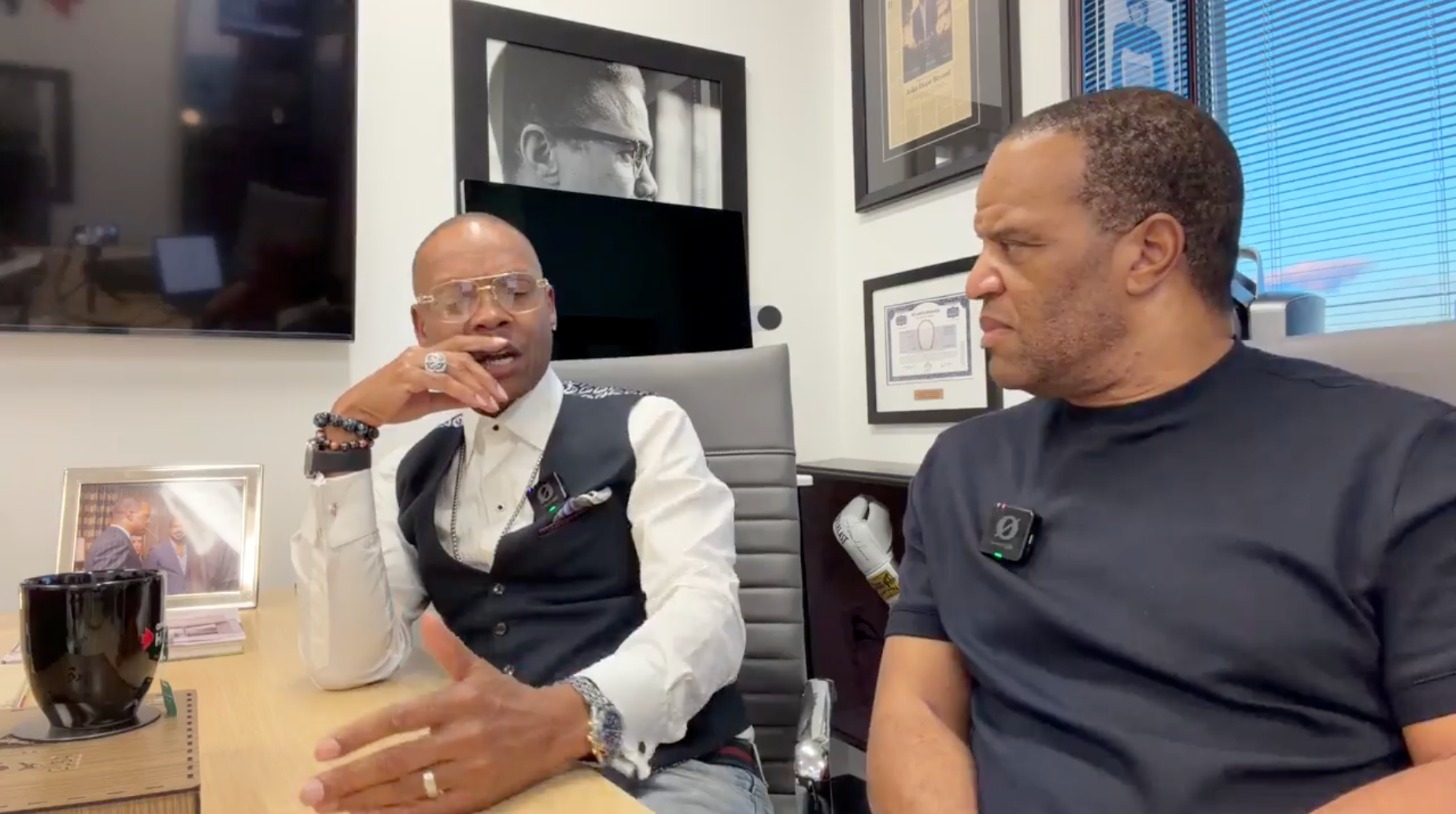
Watch the full conversation
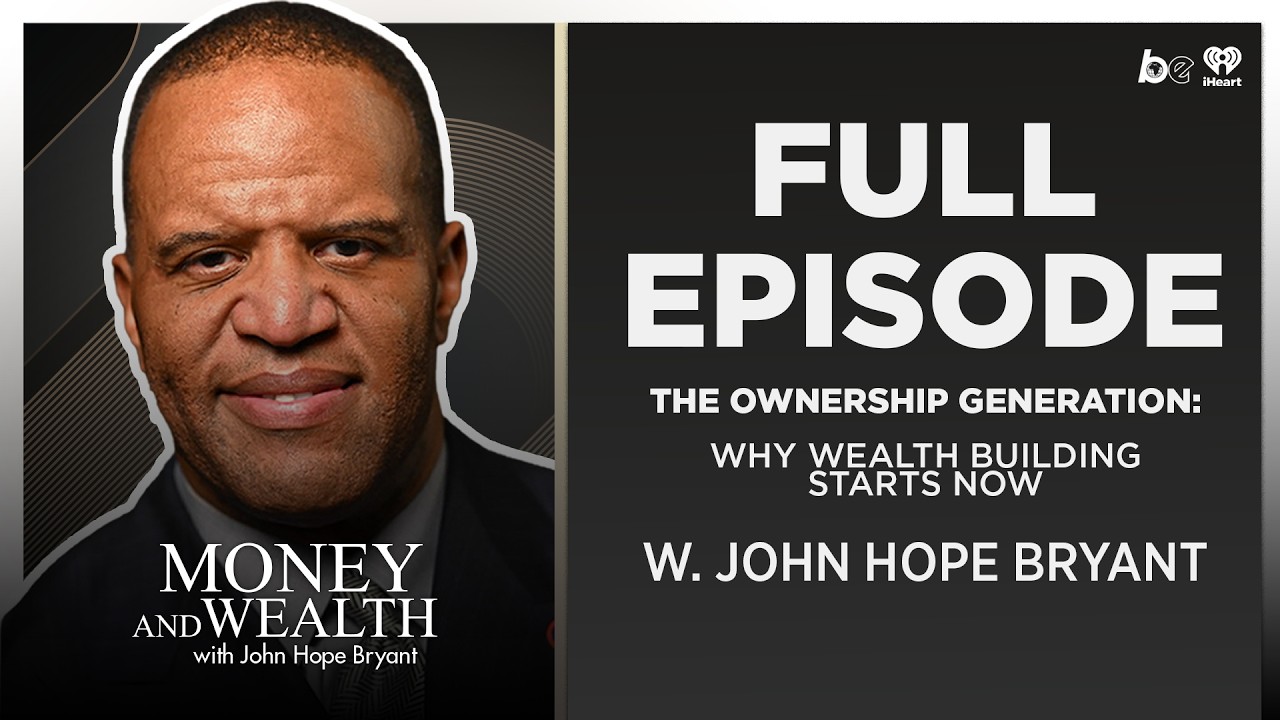
Listen to the full episode of Money & Wealth with John Hope Bryant on iHeart, on the Black Effect Podcast Network.
— John Hope Bryant
John Hope Bryant — founder of Bryant Group Ventures, Operation HOPE, Inc, publisher of the Bryant Journal and author of his 7th book Capitalism for All: Inclusive Economics and the Future Proofing of America, now a bestseller. Bryant was recently recognized as a member of the Forbes 250 Greatest Living Self Made Americans, on the occasion of the 250th anniversary of America itself. Get the book →