On the Silver Rights Movement, and what a Walmart in the Inland Empire has to do with it
Eastvale, California doesn’t look like a place where history gets made. It’s a young city — incorporated only in 2010 — built in the flatlands of the Inland Empire, an hour east of the cameras and the commentary that usually decide what counts as important in this country. It’s warehouses and rooftops and a Walmart parking lot on a Tuesday afternoon.
That’s exactly why I wanted to be there.
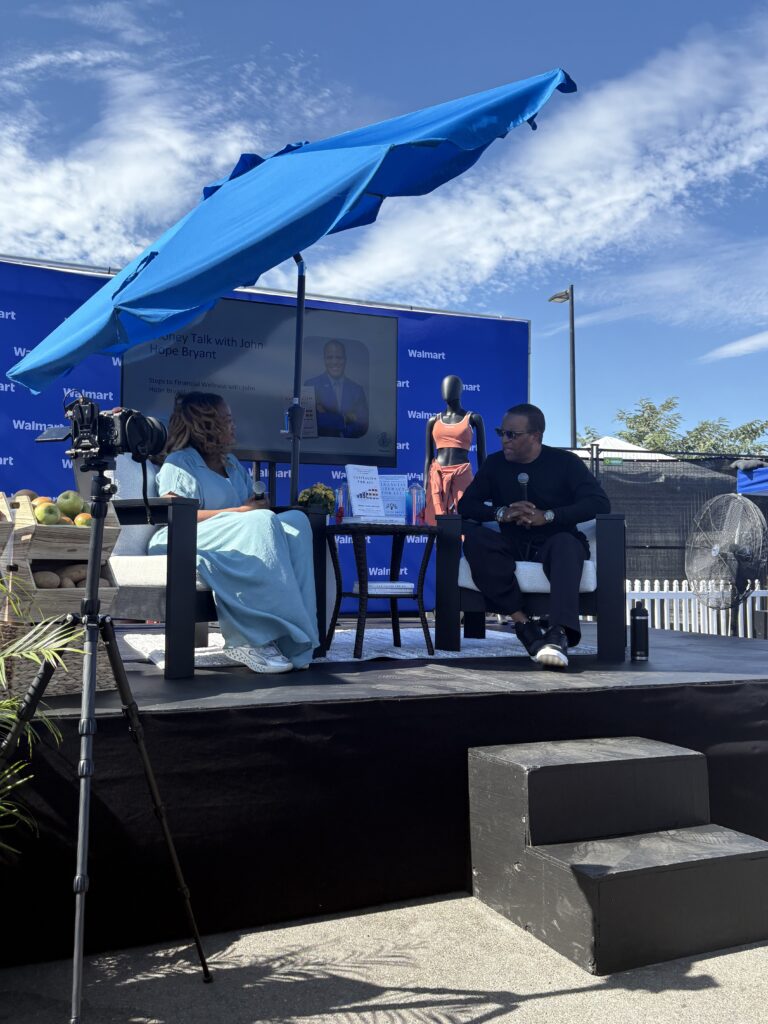
The Room
The room wasn’t full of press. It was full of the public, and full of associates too — people who stock shelves, run registers, manage overnight freight — many of whom had never been to a book signing in their lives, let alone one built around a book with their own economic future in its pages.
I didn’t come to Eastvale to talk at people. I came to find out if the thesis of my whole life’s work still holds up in a parking lot in the Inland Empire. It does.
The Argument, Restated
Capitalism for All isn’t a defense of capitalism as it currently operates. It’s an argument that capitalism only works — only earns its name — when everyone actually has access to it: to credit, to capital, to the financial literacy that turns a paycheck into an asset instead of just a transaction.
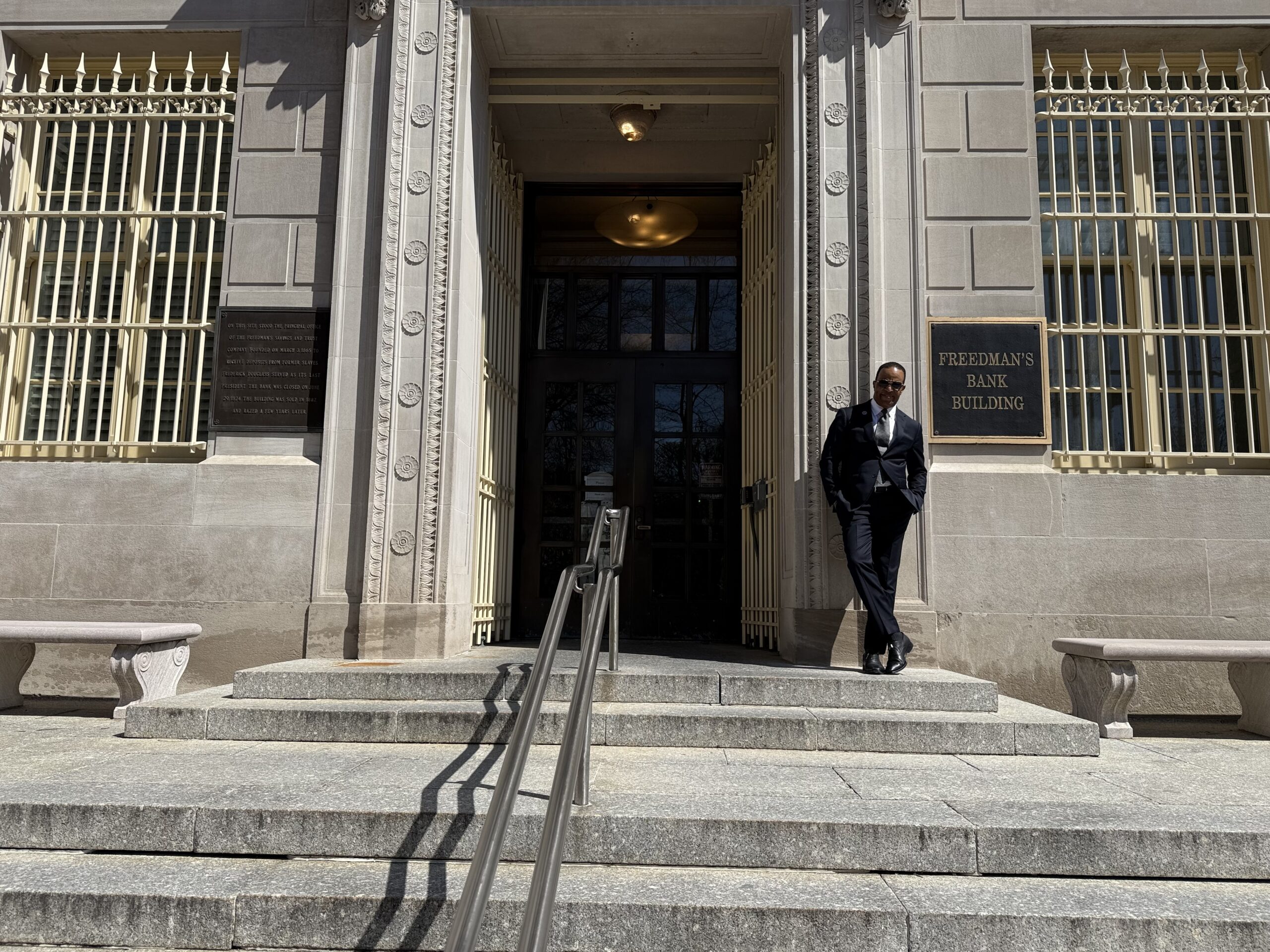
I call what’s needed to close that gap the Silver Rights Movement. The civil rights movement won the right to sit anywhere on the bus, to vote, to walk through any door in this country. It did not, on its own, win the right to build wealth once you were through that door. That’s a separate fight, and it’s the one still in front of us. Not Black capitalism. Not a race argument at all, in the way people sometimes want to shrink it down to. An economic argument — inclusive economics — for every American who has ever done the work and still couldn’t get ahead.
The Civil Rights Movement got you access to the bus. My Silver Rights Movement arranged a dozen plus tours, over a decade, of what became as large as a dozen chartered buses filled with mainstream bankers and investors (the HOPE Bankers Bus Tours from the early years of Operation HOPE) working to ‘integrate the money’ back into the community.
My Mother’s House, Again
I think about my mother every time I walk one of these store floors. Juanita Smith worked an hourly wage for 32 years. She bought and sold seven homes over her lifetime, starting with her and our first — located at 15502 South Frailey Avenue, Compton, California 90221 — each one a step up from the last. She built an 854 credit score without anyone explaining the mechanics to her — she just paid attention, and she didn’t quit. When she passed, she left behind a net worth in seven figures.
Nobody in Eastvale is going to become a millionaire from a book signing. That was never the point. The point is that my mother’s story isn’t rare because she was extraordinary — it’s rare because almost nobody hands people the map. Operation HOPE has spent over three decades trying to be that map: more than $4 billion deployed since 1992, over 4 million people served, 1,500-plus HOPE Inside locations built inside the same kinds of communities Eastvale sits in.
Why a Retail Floor Is the Right Stage
Some people asked why I’d take this tour into Walmart stores instead of university auditoriums and conference stages. Here’s why: the conference room already agrees with me. The retail floor is where the theory gets tested.
It’s also, frankly, where the workforce math is most urgent. This country is losing experienced workers to retirement faster than it’s replacing them, and the businesses that figure out how to bring people in, credential them fast, and give them a real on-ramp to ownership — not just a paycheck — are the ones that will keep growing. That’s not charity. That’s supply and demand. Inclusion, done right, is a growth strategy before it’s anything else.
What I’m Asking For
Not a donation. Not a vote. Just attention — to the idea that the next chapter of American economic life gets written in rooms like the one I stood in yesterday, not in the rooms where these decisions usually get debated.
The tour continues. I’ll keep writing about what I find.
— John Hope Bryant
John Hope Bryant — founder of Bryant Group Ventures, Operation HOPE, Inc, publisher of the Bryant Journal and author of his 7th book Capitalism for All: Inclusive Economics and the Future Proofing of America, now a bestseller. Bryant was recently named a member of the Forbes 250.