How Jed York Helped San Francisco Win
There are moments when sports transcend the scoreboard.
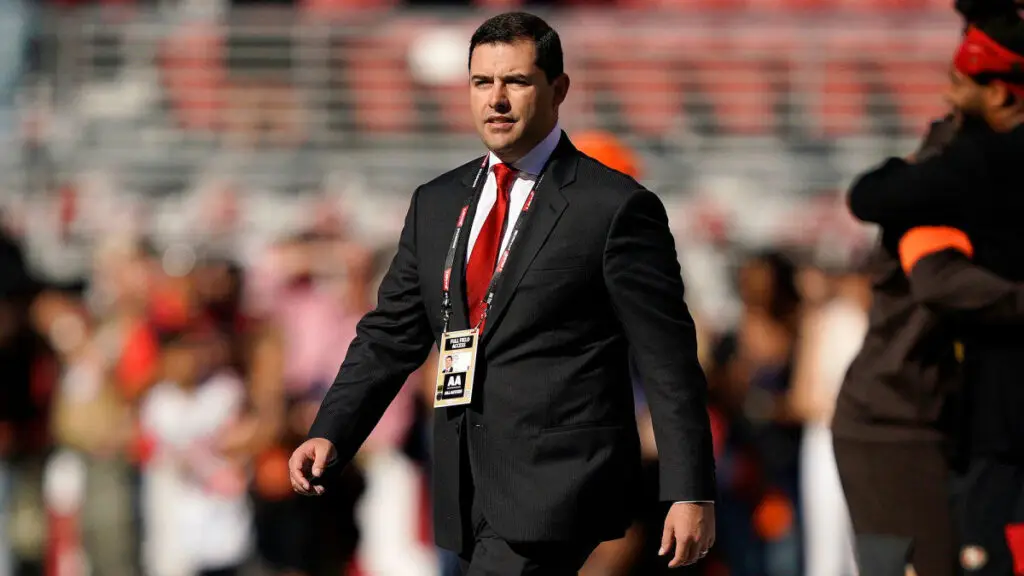
This year’s Super Bowl in the Bay Area was one of those moments — and my friend Jed York understood that from the very beginning.
Jed didn’t just host a championship game. He quarterbacked a civic comeback.
At a time when San Francisco has faced real challenges — economic headwinds, public perception battles, and a shaken sense of civic confidence — Jed and the San Francisco 49ers organization leaned in. They didn’t see the Super Bowl as a one-day spectacle. They saw it as a platform. A catalyst. A forcing function for economic opportunity and positive energy to flow back into their city.
The results speak volumes.
$500 million in economic impact generated in a single week. 100,000 hotel rooms filled with visitors from across the country and around the world. Over 5,000 jobs created through event staffing, hospitality, security, production, and small business engagement. Nearly $10 million directed to Bay Area charities, including football field renovations and community investments that will last long after the final whistle.

That’s not just a game. That’s economic development.
But what impresses me most about Jed isn’t the numbers — it’s the mindset.
Real leadership is about stewardship. It’s about understanding that when you own a franchise, you also inherit responsibility for a city. The 49ers are more than a football team; they are a civic institution. And institutions, when led well, stabilize communities and create confidence.
Jed understood that hosting the Super Bowl wasn’t about optics. It was about impact.
He worked behind the scenes to align business leaders, city officials, nonprofit partners, community stakeholders, and the mayor’s vision for the city. He used the gravitational pull of the NFL’s biggest stage to remind the country — and perhaps even remind San Francisco itself — that this city still knows how to convene, compete, and win.
That matters.
Because perception drives capital.
Capital drives jobs.
Jobs drive dignity.
And dignity drives hope.
The nearly $10 million directed toward Bay Area charities and football field renovations is particularly meaningful. Sports fields are not just patches of grass — they are safe spaces. They are confidence factories. They are classrooms without walls. Investing in them is investing in young people before they ever walk into a boardroom.
And creating over 5,000 jobs — even temporarily — injects income into households that need it. It gives small businesses a surge. It activates vendors, suppliers, drivers, caterers, and creators. It sends a signal: opportunity still flows here.
In my work around inclusive economics, I often say that we must use capitalism as a tool for good. The Super Bowl, at its best, is proof of that principle. It is private enterprise, public engagement, and community uplift working together.
Jed York didn’t just manage logistics. He managed belief.
He helped reframe a national narrative about San Francisco — not through press conferences, but through execution.
That is what leaders do.
They take moments that could simply be celebratory and turn them into transformational.
They understand that the true win isn’t just lifting a trophy. It’s lifting a city.
To my friend Jed: congratulations on hosting an extraordinary Super Bowl week. You showed what happens when business leadership and civic responsibility operate in the same huddle.
The 49ers may be known for championships on the field. But this week, the organization earned something equally important — respect for how to use a global platform to generate local good.
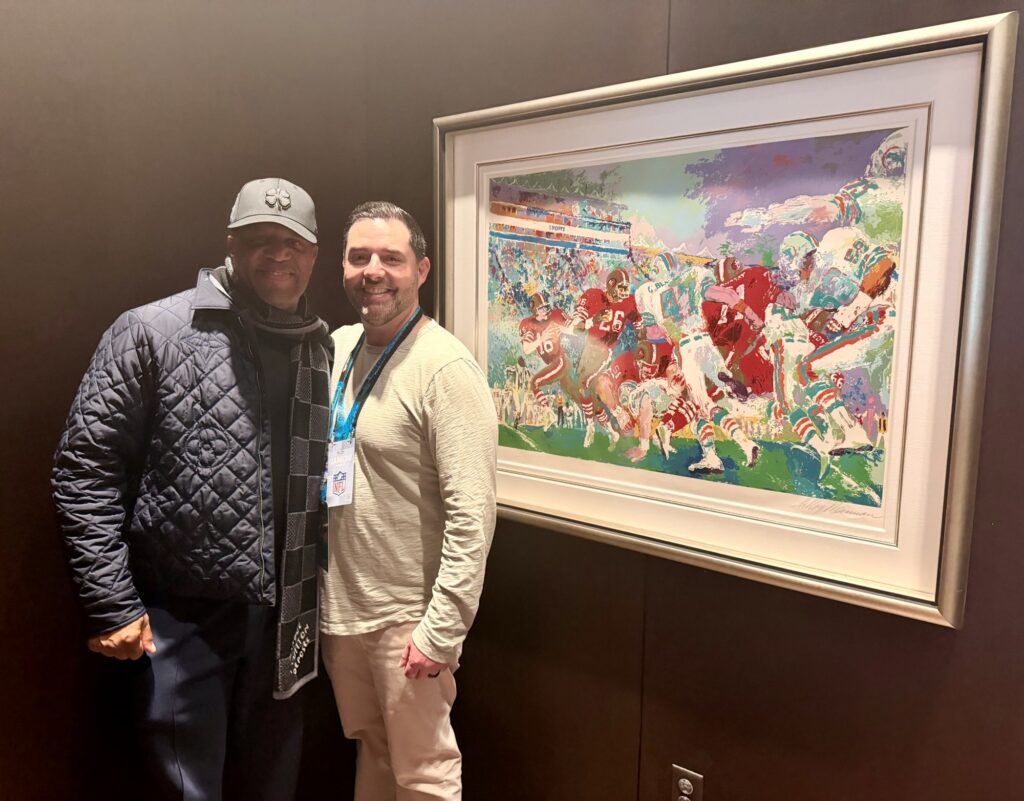
That’s a win San Francisco can build on.
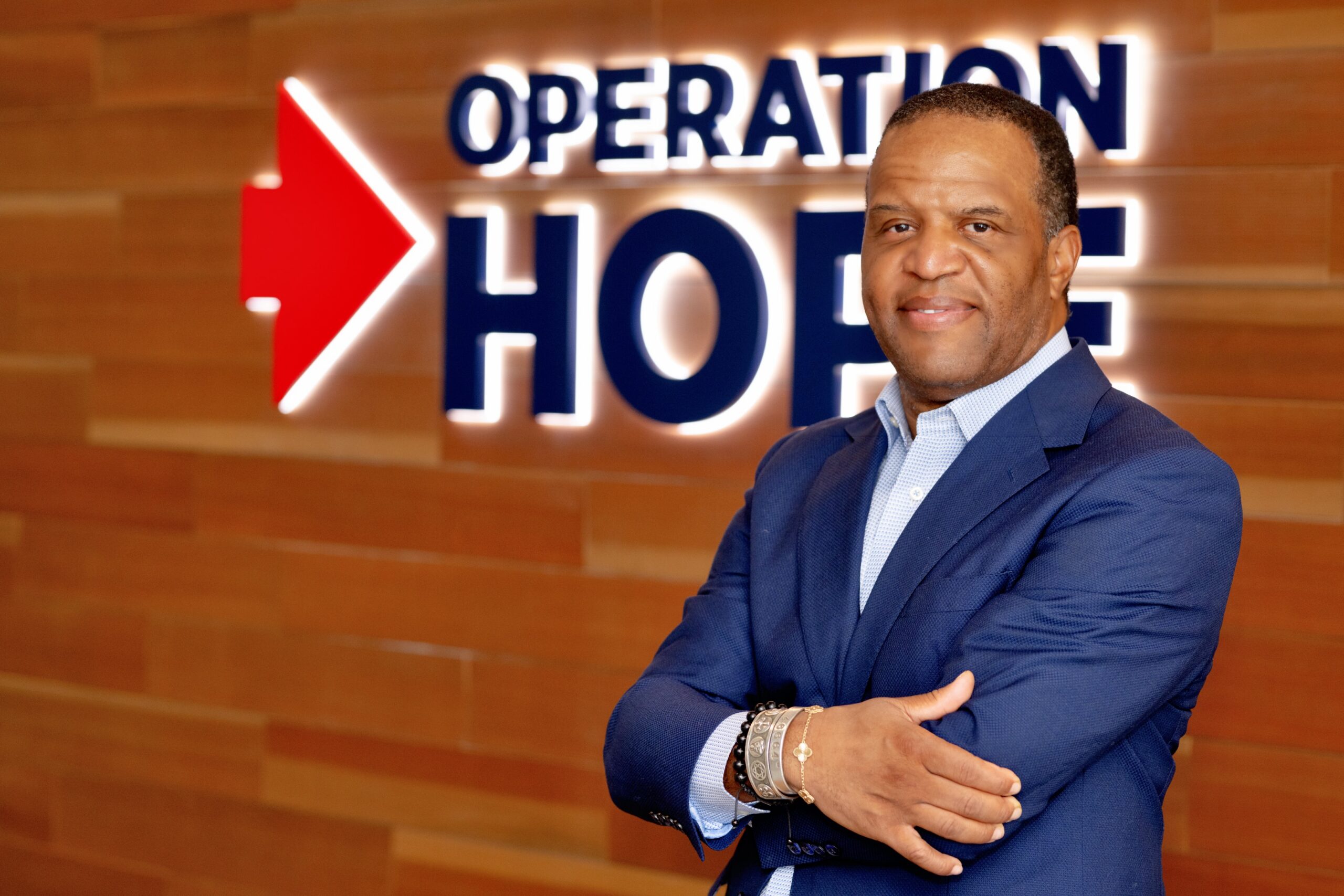
Jed York is a member of the Operation HOPE Board of Directors, and a dear friend of mine. Honored to know him.
John Hope Bryant — founder of Bryant Group Ventures, Operation HOPE, Inc, publisher of the Bryant Journal and author of his coming book Capitalism for All: Inclusive Economics and the Future Proofing of America.