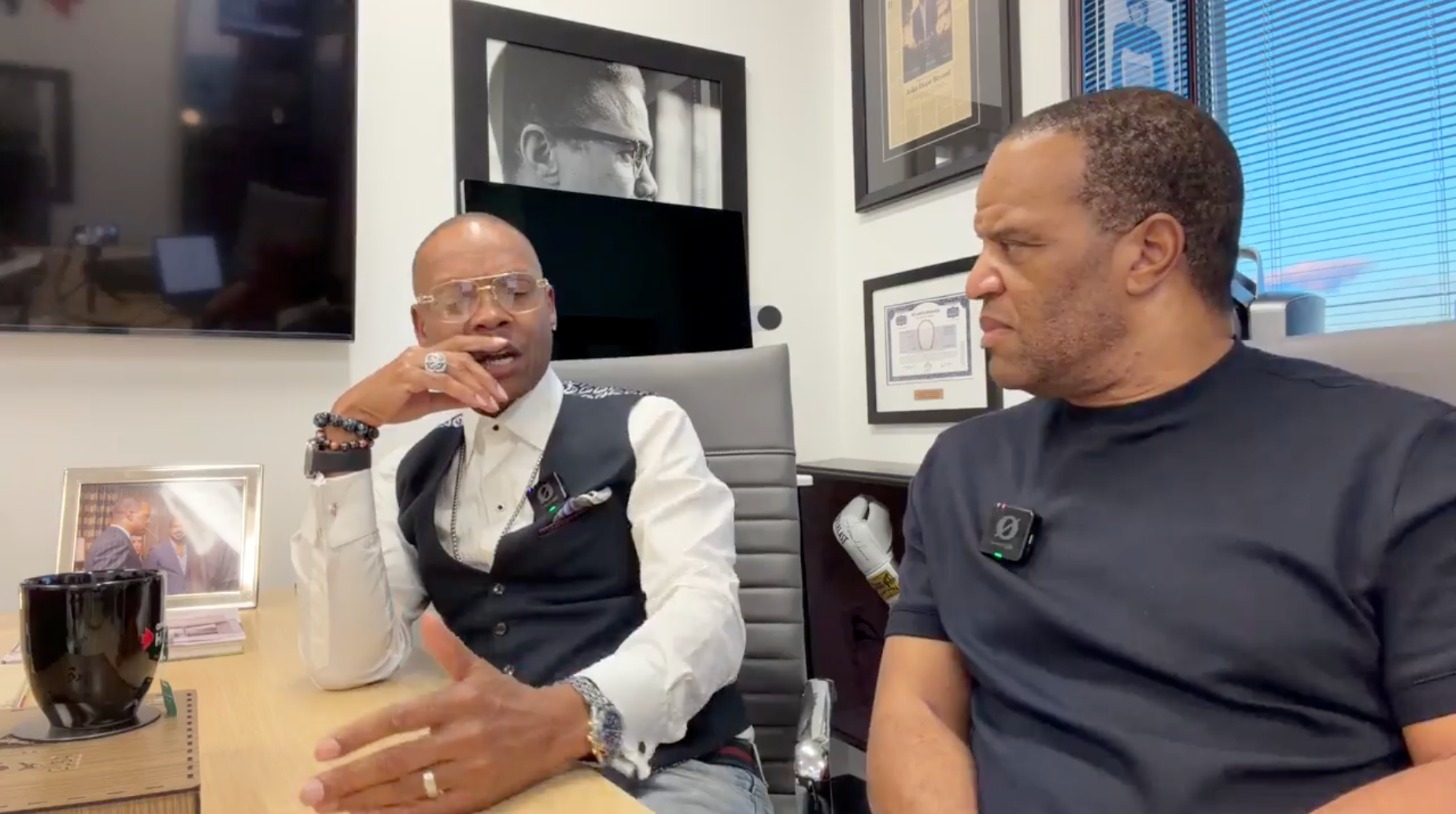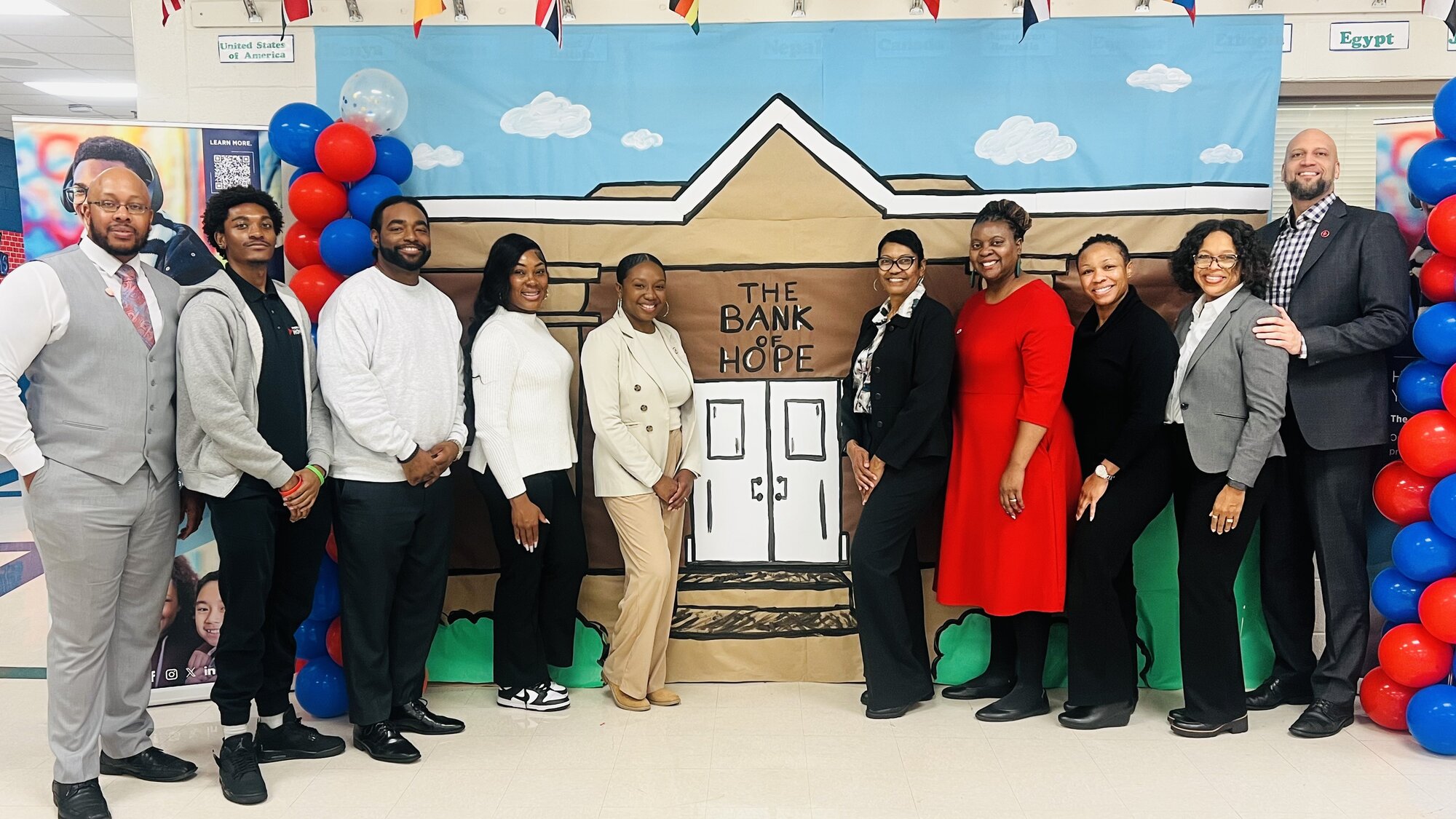
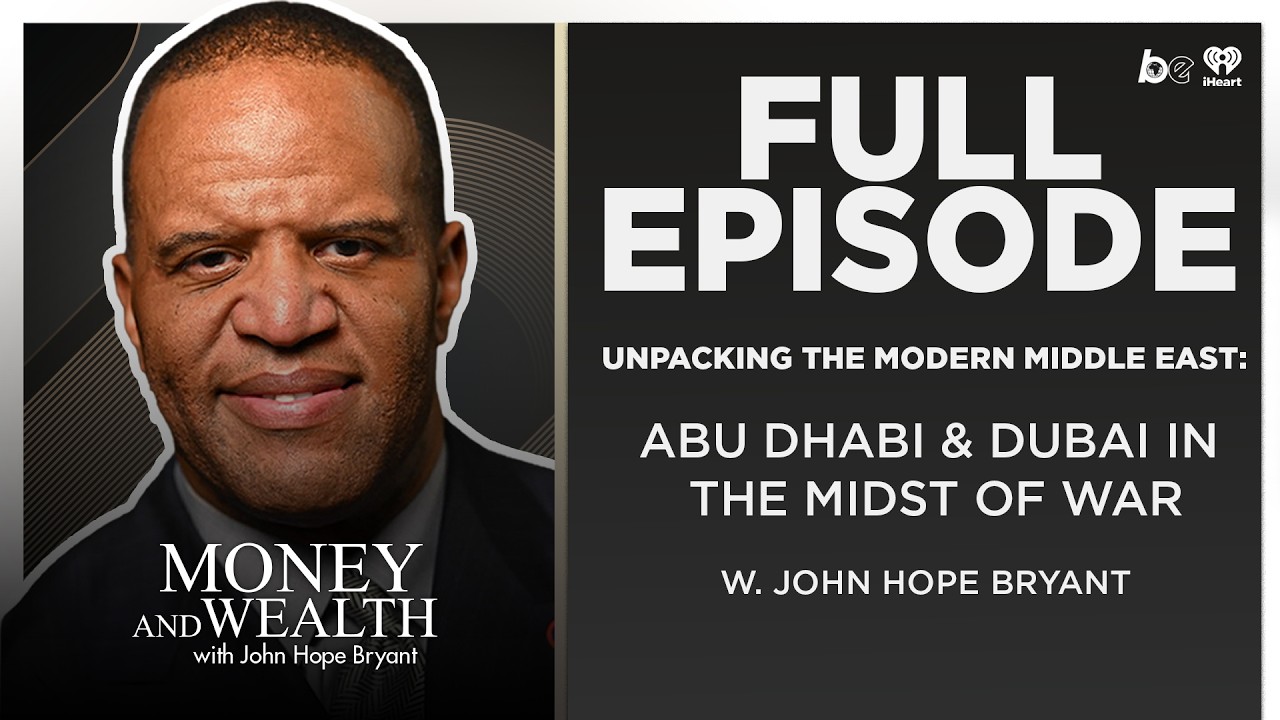
I just got back from Abu Dhabi and Dubai, and I am giving you a first-person situational awareness report. Yes, I am telling you that at least part of the Middle East deserves your attention, and yes, I am saying it in the middle of the Iran war. I went there thinking I would see something. I came back believing I had learned something that could be a lesson for America and the rest of the world.
Turbulence is not trajectory
Let me not minimize anything. Earlier this year I was in Dubai with my family to speak at the World Government Summit, and a day or two after I left, shrapnel from bombs and drones hit the hotel where I had stayed. There has been real disruption in aviation, shipping, tourism, trade and energy markets. But if all you do is watch the videos that pop up on YouTube, you would think the dream is over, the tourists are gone and everything is shut down. That is not what I saw. Life was happening. Business was happening. Construction was happening everywhere, people were planning for tomorrow and shopping today, and the mall in Dubai looked like Phipps Plaza in Atlanta or Beverly Hills, with the Bentleys, the Ferraris and the valet lines. I walked around Abu Dhabi day and night and felt completely safe. I did not see a drone, hear a bomb or see a single police officer with a gun. You see more of this war on cable news in the United States than you experience being there, by about 10 times.
The formula: oil to resilience
Myth number one is that they just got lucky and found oil. If that were true, they would be running out of runway. Instead, between 50 and 70 percent of Abu Dhabi’s economy is non-oil, and they have been working on that since oil was found in 1958. Their formula runs like this. Oil became cash. Cash became infrastructure. Infrastructure led to commerce, commerce to investment, investment to assets, assets to a diversified economy, and diversification to resilience. The real future is human capital. Their founding president, Sheikh Zayed, said resources do not build countries, people decide what to do with the resources. It is not about what is in the ground. It is about what is walking on the ground. I keep telling you cash is overrated, and oil was their cash. They used it to finance their second advantage, untapped human potential at scale, which happens to be my own mandate at Bryant Group Ventures.
My week on the ground
It started with a small test of service. At JFK, a check-in agent held the line on my overweight bag, and I thought, here we go. You do not grow an economy citing policy 46. Then I landed in Abu Dhabi after a direct flight of 12 or 13 hours, got through passport control in six minutes as a guest of the government and business leaders, and found a hotel room where every device I own worked without an adapter. That is the level of detail they put into serving guests from around the world. When I left, the airline reopened a closed flight for me because of a safety protocol, wrote my information out by hand and walked me to the plane. I even went through U.S. Global Entry inside the airport in three seconds.
The meetings were not what I expected. Nobody took me to an oil field. They took me to startups and entrepreneurs, then to Hub 71, where I met technology founders and venture capitalists talking about AI, with women and every race of people in the room. I met leaders focused on community development, on bridge-building between Jews in the Middle East and Blacks in Africa, and on reaching the bottom of the pyramid, not only the wealthy. Everyone I met had been educated at top American schools and loved America. Their plan goes out to 2071. We, meanwhile, are arguing about the stupidest stuff on the planet and still arguing about race. I felt no racism and no anti-anything. The vibe was against stupidity and the lack of progress.
Culture and food
I visited the Sheikh Zayed Grand Mosque, the Abrahamic Family House, where a mosque, a church and a synagogue sit together, and the Louvre Abu Dhabi. I also had my first camel, then goat and camel ice cream, and I never had a bad meal. I think of Abu Dhabi as a mix of New York and Washington, D.C., built on capital, government, sovereign wealth and long-term investing. Dubai is more Las Vegas and Miami with a little Los Angeles, built on commerce, aviation, tourism and real estate, plus bad traffic. They are complementary, not the same, and they are about an hour and a half apart. I am thinking about buying a place in Abu Dhabi as a base for North Africa, the Middle East, parts of Europe and Asia.
The airplane window theory, again
Fly into Manhattan or Los Angeles and you see a built-out economy where most of the wealth has already been made. Fly into Atlanta and you see green space everywhere, which is room to grow, and you can almost see tomorrow’s equity value from the window. Fly into Abu Dhabi and you see desert, and that desert is opportunity. Capital follows people. Quality of life draws talent, talent draws companies, companies draw capital, and that leads to development and asset appreciation. Investment follows life. You can reach two-thirds of the world from the UAE in eight hours, and you can reach 88 percent of American cities within three and a half hours of Atlanta. That is economic positioning.
No country is perfect, and I do not need one to be America
I am not saying the UAE is perfect. No country is, including mine, which I love. There are fair questions about governance, political participation, speech, migrant workers and human rights. But I talked to everybody, the waiters, the drivers, the people from Ethiopia and India, and I did not meet anybody unhappy. I do not need another country to become America before I want to learn something from it, and the UAE should not try to become American either. They love America and still see it as the leader of the world. Capitalism and community are not enemies there. They see an and, not an or. Several leaders asked me to sign my book, Capitalism for All.
Resources are not wealth
A country gets oil. A company gets revenue. A worker gets a paycheck. An entrepreneur gets a liquidity event. None of these is wealth. They are resources, and the question is what you turn them into. My mother, Juanita Smith, made $15 to $18 an hour and built a million-dollar net worth, because for her income was not the destination, ownership was. If the Middle East had a middle class, half the conflict would not exist. I believe Israel and Palestine will be trading partners, not warring partners, once there is a vibrant, growing middle class. America got that right, and it is what I believe is now at risk. You can hear my mother’s story through Juanita AI, an app we created for you at no cost.
My bonus track: magnet communities
Here is what I started wondering on the way home. What if a half dozen urban cities that are Black and brown, and a half dozen rural communities that are poor and struggling and mostly white, each decided to build a magnet community zone? Get the credit scores up, the education, the infrastructure, the AI literacy and the financial literacy up. Make it easy to start businesses, attract capital, root homeownership and grow the tax base. We are doing this in Atlanta and West Virginia, and it will be announced at the HOPE Global Forum. When people are owners, they do not resent capitalism, because they are capitalism. Nobody washes rental cars. What people hate is a system where no matter how hard you work you cannot get ahead. Let us stop hating on success and become part of it. That is the third reconstruction dream, and this trip confirmed it is not just ours, it is a global one.
I recorded this to report back. The bombs were not dropping. Hope was sprouting.
Watch the full conversation
Listen to the full episode of Money & Wealth with John Hope Bryant on iHeart, on the Black Effect Podcast Network.
— John Hope Bryant
John Hope Bryant — founder of Bryant Group Ventures, Operation HOPE, Inc, publisher of the Bryant Journal and author of his 7th book Capitalism for All: Inclusive Economics and the Future Proofing of America, now a bestseller. Bryant was recently recognized as a member of the Forbes 250 Greatest Living Self Made Americans, on the occasion of the 250th anniversary of America itself. Get the book →