BANKING ON PURPOSE: WHAT STEVE STEINOUR AND HUNTINGTON BANK TEACH US ABOUT CAPITALISM THAT WORKS
A Conversation with the Chairman and CEO of One of America’s Largest Banks — and Why It Matters for You
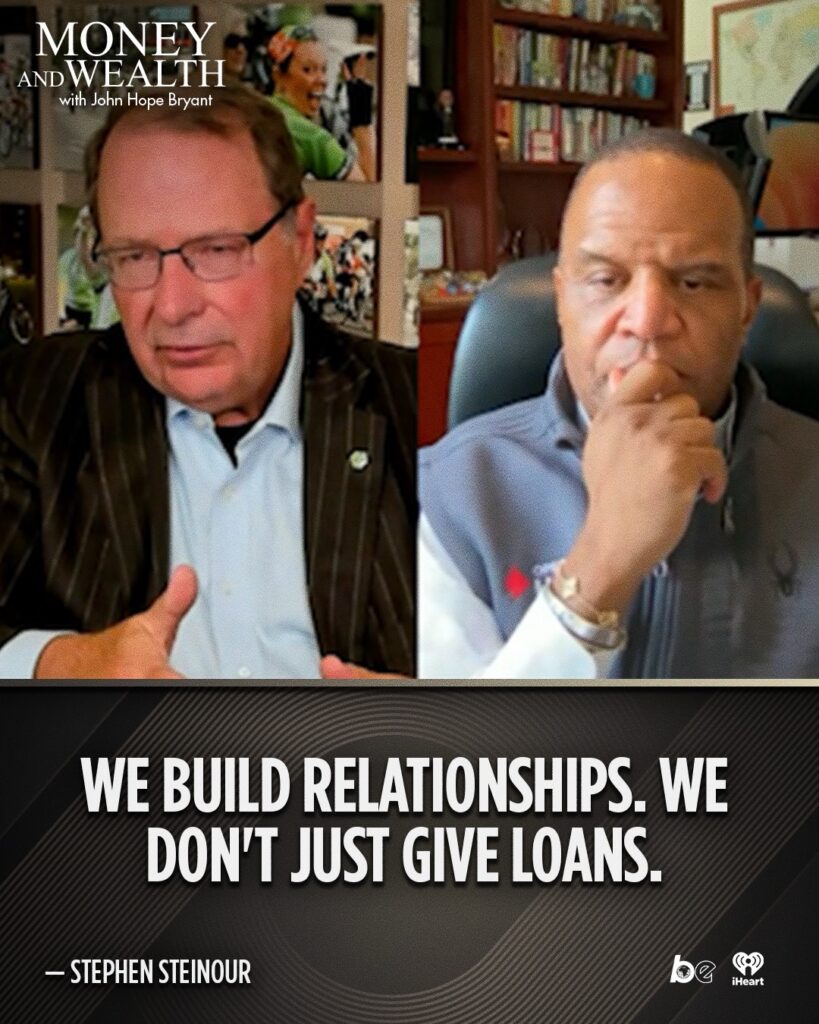
I do not normally bring guests onto the Money & Wealth podcast. When it is just me for forty-five minutes, pouring into you, that is the format — and I love it. But when I do bring someone on, you know they are special. You know they have earned that seat.
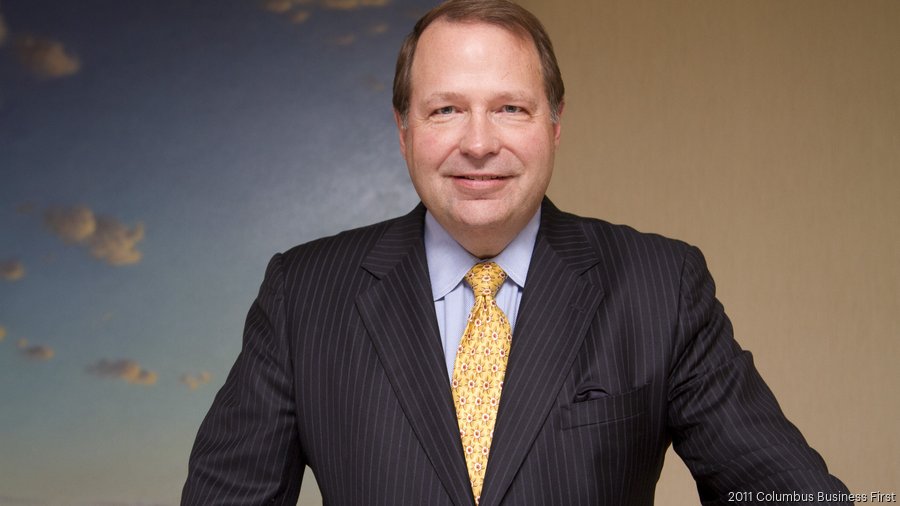
Steve Steinour has earned that seat many times over.
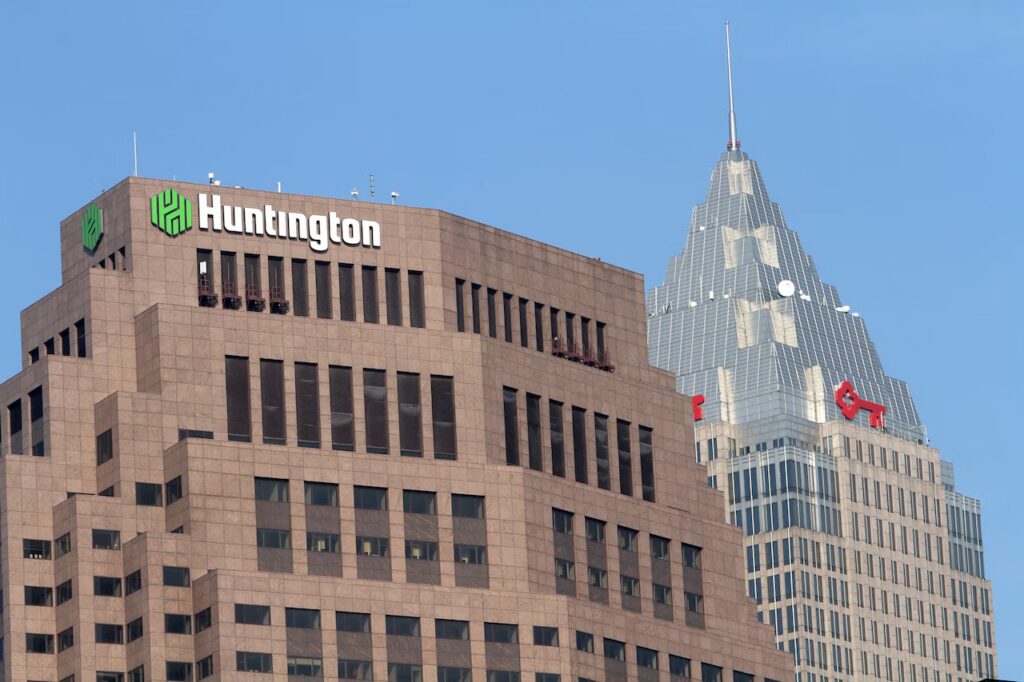
Steve is the Chairman, President, and Chief Executive Officer of Huntington Bank — one of the top twenty banks in America, one of the top ten commercial banks, with approximately $279 billion in assets, nearly 1,400 branches across twenty-one states, and about 27,000 employees. And — a fact that floored even me during our conversation — Huntington is the largest SBA lender in the country by volume. Let that sit with you for a moment. The largest. By volume.
But here is the thing: the numbers are not why Steve Steinour matters on this podcast. The numbers are not why he is my friend, or why I consider him a mentor. He matters because of who he is when no one is looking.
Two Moments That Showed Me Who He Was
Let me tell you two stories about Steve that I do not think I have ever shared publicly — two moments that told me everything I needed to know about his character.
The first: When I was building Operation HOPE, Inc. and trying to take it to the next level, Steve agreed to join our Global Board of Advisors as a founding member. He was busy. He was running one of the biggest banks in the country. He did not have time for it. But he said yes, and he showed up — in person, at every board meeting. He stayed for a year, and then he moved on. But him saying yes set the standard. It gave us credibility. After that, the President of the Federal Reserve Bank of Kansas City joined. The CEO of Delta Air Lines joined. Luminaries from every walk of life came on board. None of that happens without Steve Steinour going first. His quiet leadership made it all possible.
The second: Steve took me through a connected walkway from his office to the Governor’s office in Ohio — a Republican governor — put his arm around me, and said, “This is my guy.” Just like that. He did not care about party lines. He cared about the work. He thought Operation HOPE, Inc. was important, and he thought Republicans and Democrats alike needed to know about it. That introduction led to a powerful relationship. And it was done with no fanfare, no press release. Just quiet leadership.
That is who Steve Steinour is.
A Bank Born One Year After the Freedmen’s Bank
Huntington Bank was founded in 1866 — one year after the Freedmen’s Bank. P.W. Huntington saw opportunity where the National Road ended in Columbus, Ohio, and he believed there was good business to be done by helping people. That DNA — service, community, doing good through commerce — has run through the institution for one hundred and sixty years.
Steve did not create that culture. He inherited it. But he has deepened it, strengthened it, and expanded it in ways that matter today more than ever. As Steve told me: “We’re here to help people lead better lives, help businesses thrive, and make communities stronger.” That is not a slogan. That is how Huntington operates.
The Real Purpose of a Bank — And Why It Matters for You
Here is what I need you to understand, because this came through loud and clear in our conversation: a bank is not your enemy. A bank is your partner — or at least, it should be.
Steve broke it down simply. A bank takes in deposits, and it rents that money out as loans. The cost of that money — the interest on your savings account, the administrative overhead, and a profit margin — is what you pay when you borrow. The bank needs to make loans to survive. It needs borrowers. It needs entrepreneurs. It needs you.
But — and here is where it gets real — the bank also needs you to be creditworthy. Not because the banker does not like you. Not because the system is rigged against you. Because the banker has regulators, shareholders, and depositors to answer to. If they make a loan that does not get repaid, that is someone else’s savings at risk.
Steve cannot say this as bluntly as I can, so let me say it for him: if your credit score is in the six-twenties, he cannot give you a prime-rate home loan, no matter how much he wants to. If you are looking for a small business loan — the riskiest credit a bank can extend — he needs to see you approaching that seven-hundred range. He needs to see character and credit working together.
That is not exclusion. That is the math of banking. And it is exactly why Operation HOPE, Inc. exists — to bridge the gap between your aspiration and his ability to say yes.
Lift Local: Capitalism That Includes Everyone
This is where the partnership between Operation HOPE, Inc. and Huntington Bank becomes real.
Through Huntington’s Lift Local Business® program — a partnership we have been building together — the bank has directed over $246 million in loans to entrepreneurs in underserved communities. Over $60 million of that has gone to Black-owned businesses alone. More than 3,800 small businesses have been served, with over 2,400 active users enrolled in Operation HOPE’s entrepreneurial training courses.
These are not handouts. These are SBA-backed micro loans going to people who have been trained, educated, and coached to build sustainable businesses. As Steve put it: “It would be like giving away money if people didn’t understand. That’s what they get through the training program that you offer — the essential elements of creating a business. We give them the loans.”
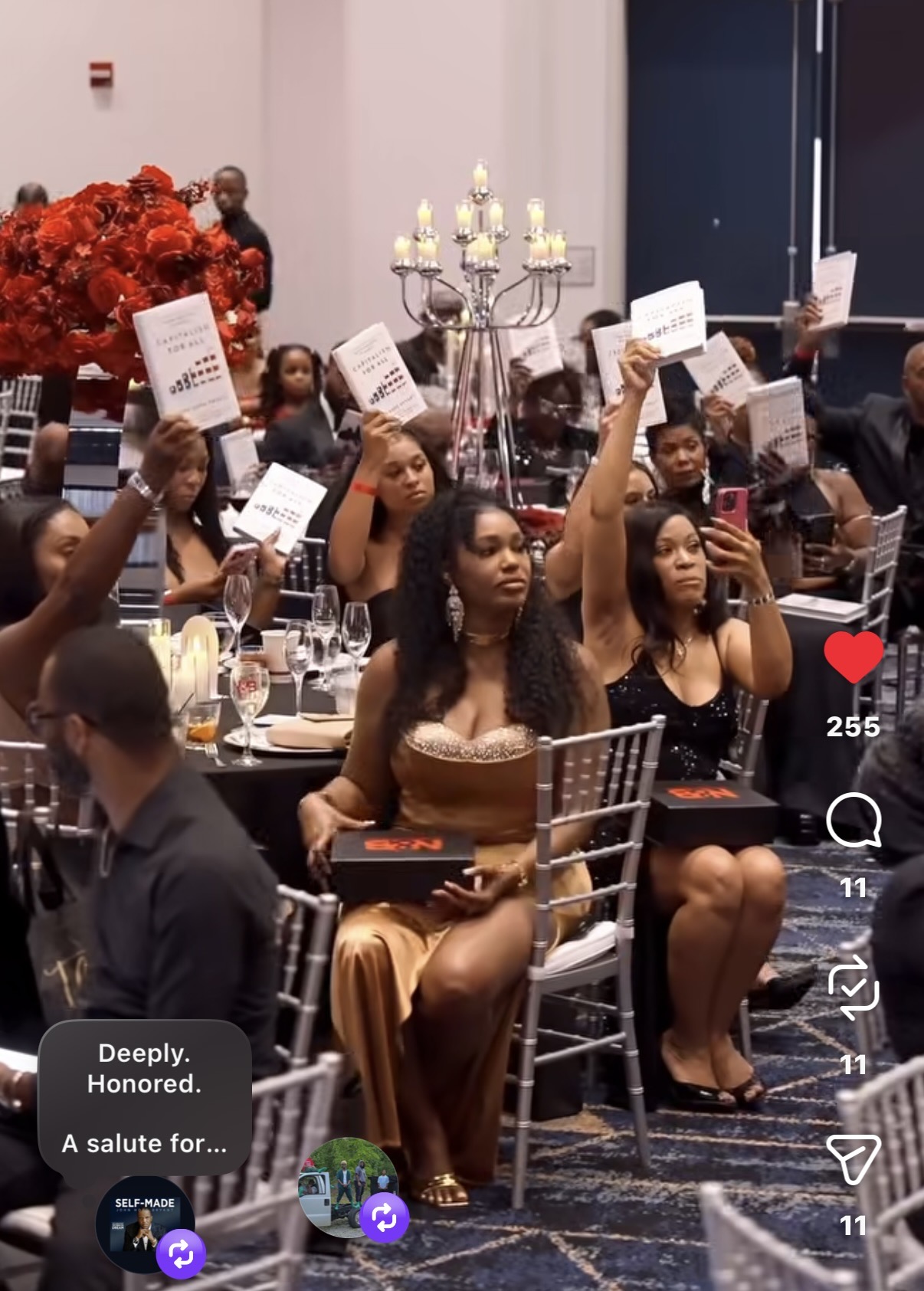
That is capitalism for all. That is inclusive economics. That is the philosophy at the heart of my new book, Capitalism for All: Inclusive Economics and the Future-Proofing of America — and Steve understood it before the book was even published. He read an advance copy, and his endorsement is right there in the front pages: “John’s focused on exactly the issues we face today as a society… Inclusive economics can be our future roadmap.”

The Backstory You Need to Hear
Here is why I pushed Steve to share his personal story on this episode. I needed you to hear it.
Steve grew up in a small blue-collar town — population three thousand. He was the second oldest of five children. His family did not have much. His grandfather was a blue-collar worker who labored into his late seventies and measured a person’s worth by one question: “Are you a worker?” His father held two jobs, worked five and a half to six days a week, and struggled with alcoholism.
Steve did not know what a CEO was growing up. He did not know what a budget was until someone told him to make one. He went to parochial school — the “sisters of no mercy,” as he calls them — and that discipline kept him on track when he might have gone astray.
I share this for a reason. Whether you grew up Black in urban Los Angeles, as I did, or white in rural small-town America, as Steve did — the experiences of struggle, of family challenges, of not having a roadmap — those experiences are universal. They build bonds. They build empathy. And when someone who came from that background is now running a $279 billion bank and telling you he wants to help, believe him. Do not assume he does not understand. Do not assume he does not care.
When you assume that, you have already lost.
What I Want You to Take from This
Let me distill what Steve shared in his closing wisdom, because it is as good as anything I have heard from any CEO in America:
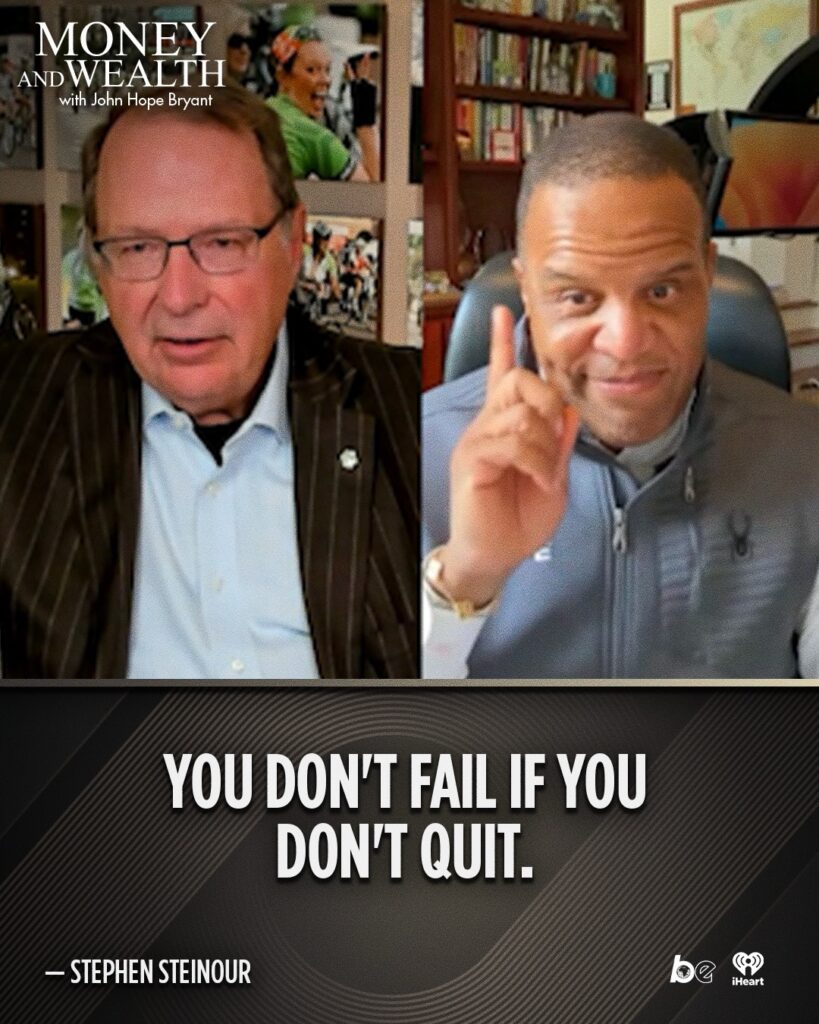
Successful people do not give up. Success is almost never a straight line — there is hardship, setback, failure. But you do not quit. They are driven, and they channel that drive into something productive. They are willing to learn, to take some risk, to do the right thing, and to work hard. They do not let hardships define them. They find ways to rise above.
And here is what I would add, coming out of this conversation: be authentic. If you are going to call Huntington Bank, or any bank, do not play a game. Be honest with them. They are going to find out anyway. Be straight, and you will get credit for being straight.
Remember: credit comes from the Latin word creditum — credibility. And capital comes from the Latin caput — knowledge in the head. You need both.
Get your credit score up. Get your debt down. Get your savings up. And let organizations like Operation HOPE, Inc. be the bridge that gets you from where you are to where Steve Steinour can say yes.
Every big business was once a small one. Your time is now.
Listen to the full conversation on the Money & Wealth podcast, available on iHeartRadio and the Black Effect Podcast Network — now in the top one percent of all podcasts and top two hundred and fifty on every continent in the world.
Let’s go.
All: Inclusive Economics and the Future-Proofing of America — Available now at all major booksellers.
John Hope Bryant — founder of Bryant Group Ventures, Operation HOPE, Inc, publisher of the Bryant Journal and author of his 7th book Capitalism for All: Inclusive Economics and the Future Proofing of America, now a bestseller. Bryant was recently named a member of the Forbes 250.