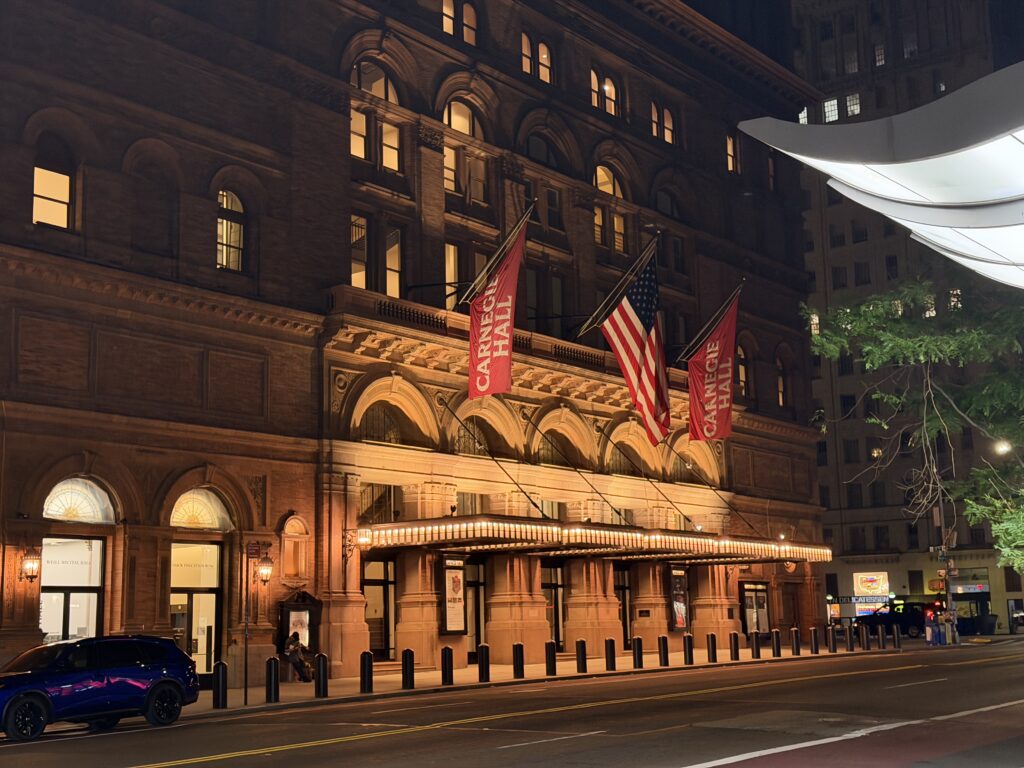
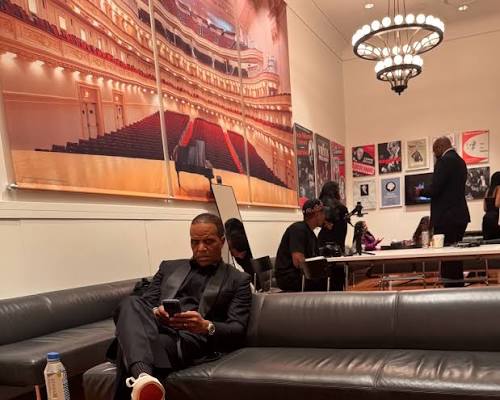
There is a stage inside Carnegie Hall — the Isaac Stern Auditorium, the Perelman Stage — where some of the greatest voices in American history have stood. On June 19, on Juneteenth, I stood on that stage too. Not as an entertainer. As an economic plumber, still trying to help fix the pipes.
This was the fourth annual Power Network, hosted by Terry Ross and Ed Lover, and it was everything a Juneteenth celebration in this moment in America should be: loud, joyful, unapologetically Black, and deadly serious about the one freedom we still have not fully claimed — economic freedom.
I shared that stage and that mission with Reverend Al Sharpton, Melanie Campbell of the National Coalition on Black Civic Participation, Shavon Arline-Bradley of the National Council of Negro Women, my Earn Your Leisure brothers Rashad Bilal and Troy Millings, Racquel Oden, Beatrice Dixon, Kay Malcolm, and Alicia Lyttle — the “Queen of AI” herself. Ghostface Killah and Big Daddy Kane brought the culture. Igmar Thomas and the Revive Big Band brought the sound. And New York City brought the energy.
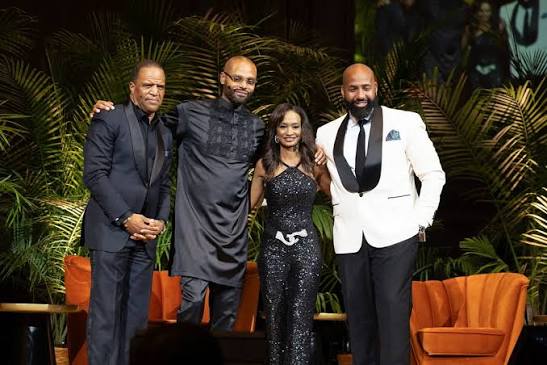
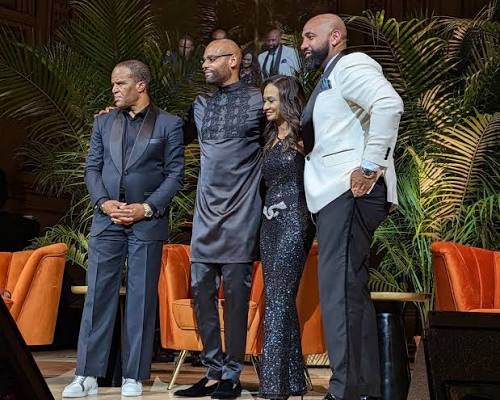
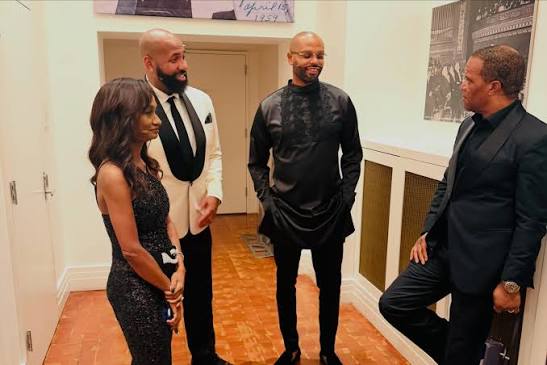
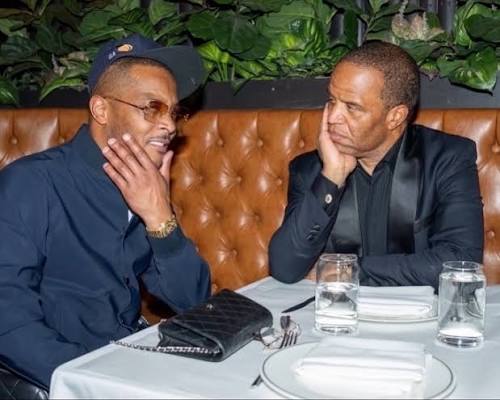
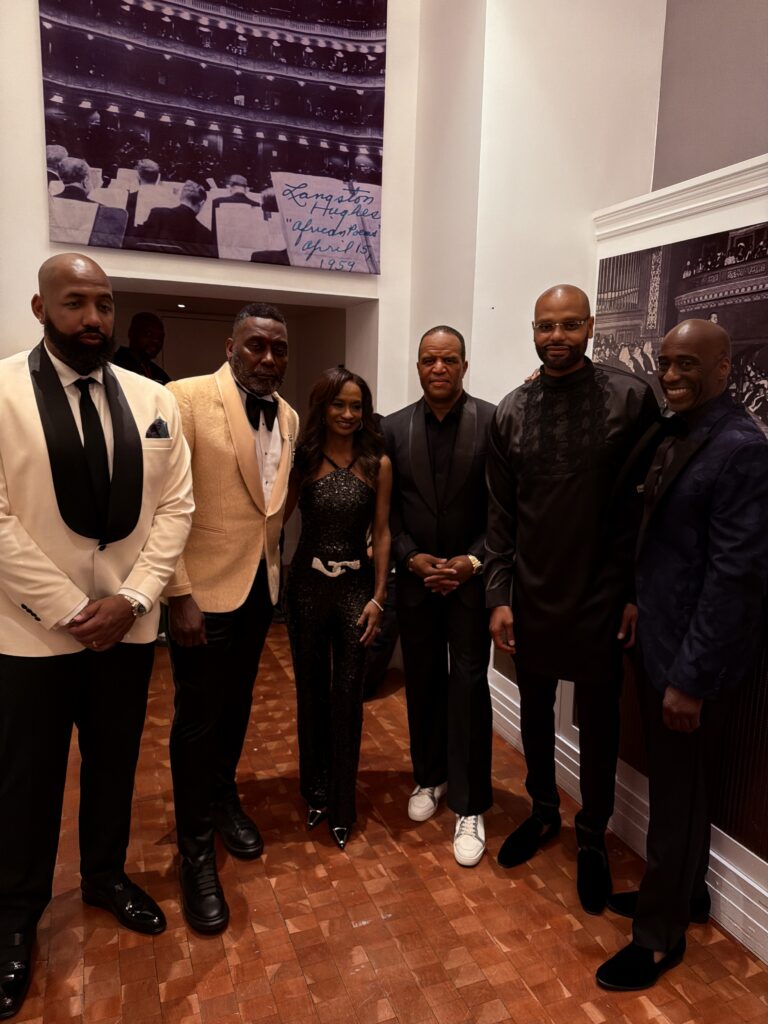
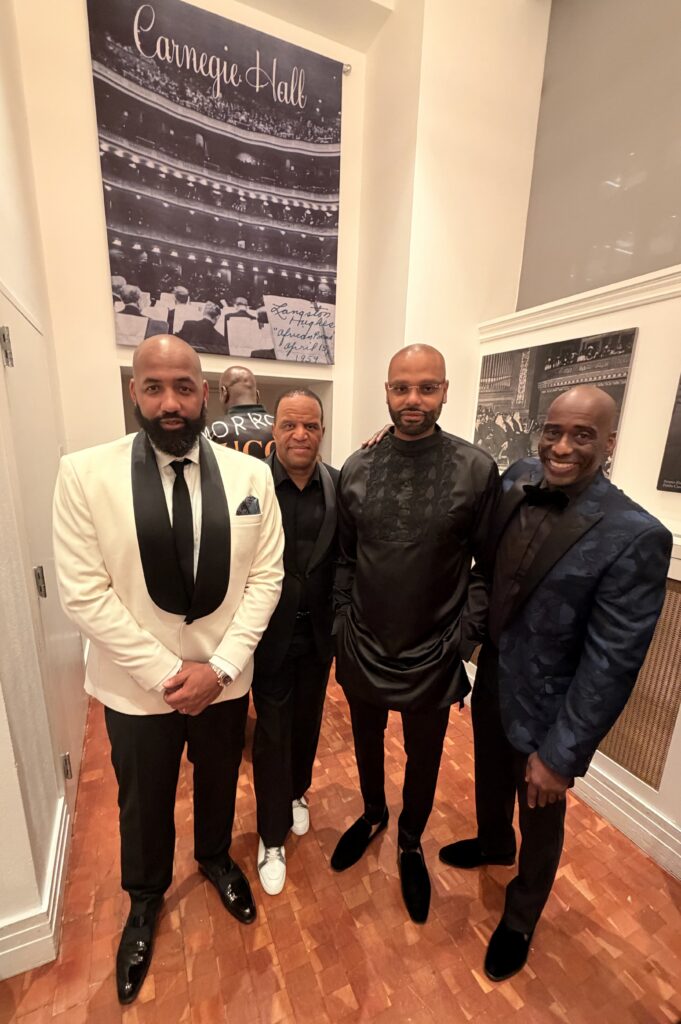
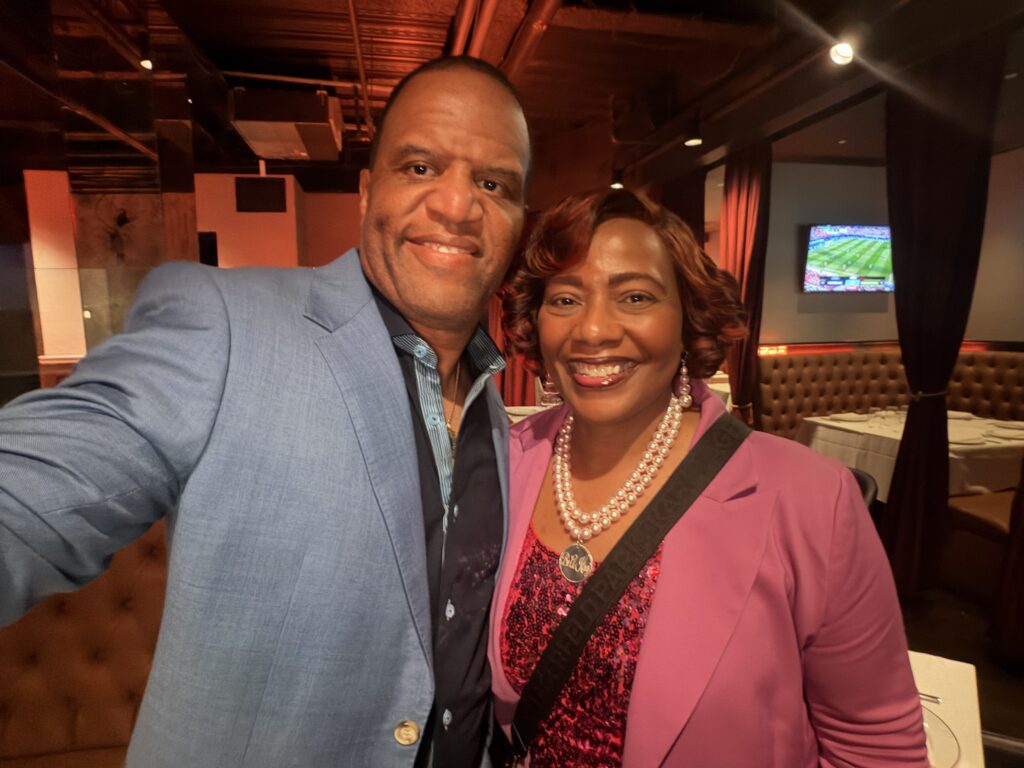
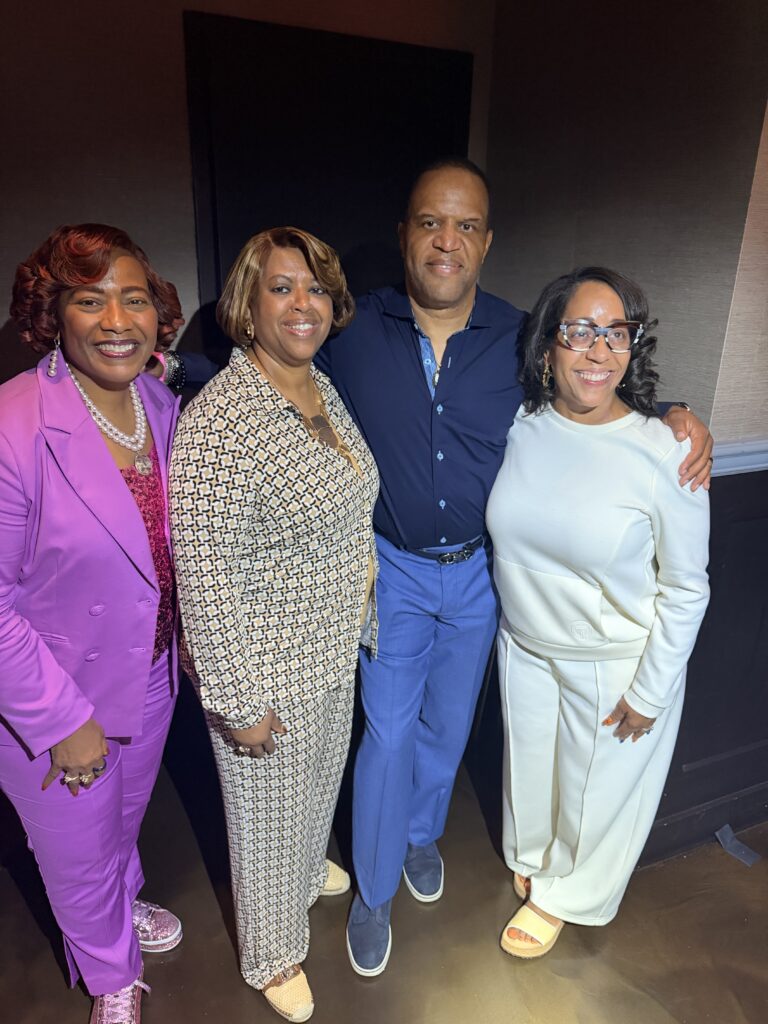
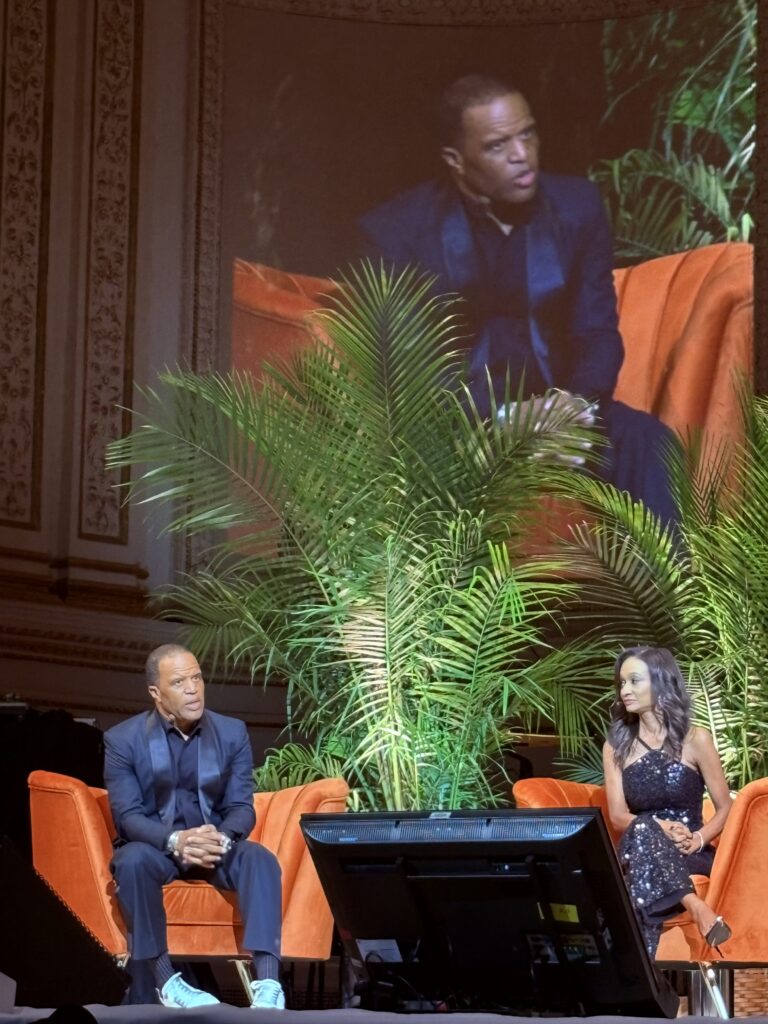
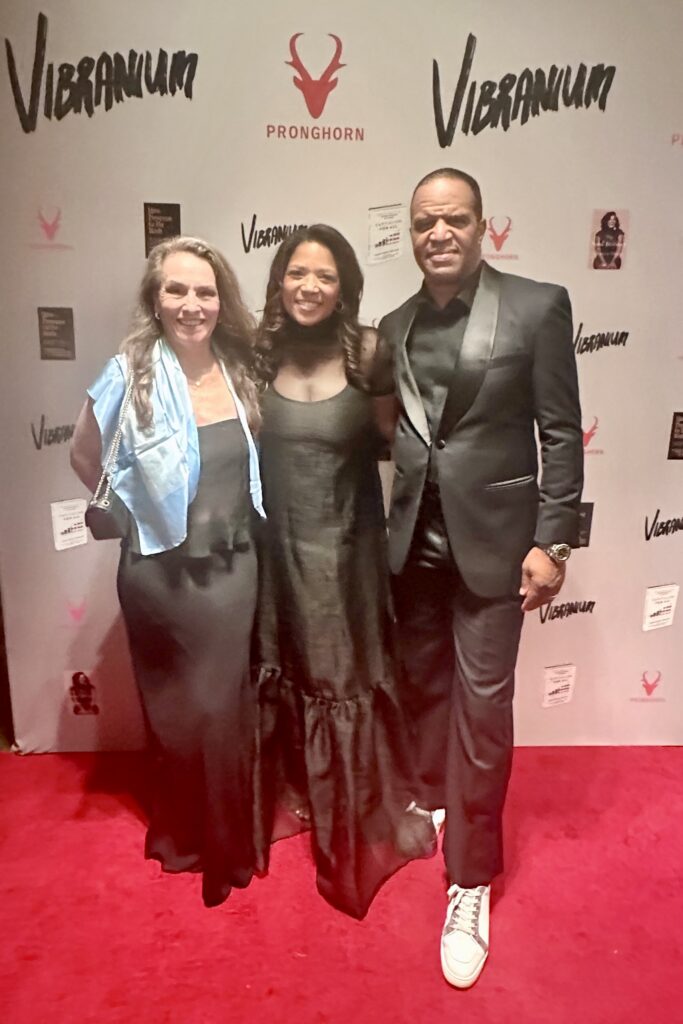
Melanie Campbell reminded the room that freedom has never arrived all at once — that freedom delayed is freedom denied, and that Juneteenth teaches us freedom isn’t free. I have said versions of that same truth for thirty years, just wearing a different suit. The freedom our ancestors celebrated on that first Juneteenth in 1865 was legal freedom. It took another century of struggle to win civil rights. And now, in this generation, the struggle is Silver Rights — the fight for financial freedom, financial access, financial dignity. NJ Urban News
Racquel Oden, who leads wealth and private banking for HSBC in the U.S., put it plainly: our community has to move from financial literacy to financial fluency — from knowing the language of money to having command and control of it. That is the entire mission of Operation HOPE, Inc., distilled into one sentence. Literacy is knowing the words. Fluency is being able to negotiate, build, and win with them. NJ Urban News
And this year, that fluency has a new frontier: artificial intelligence. Alicia Lyttle stood on that same Carnegie Hall stage and showed a room full of entrepreneurs how AI agents can give a small business owner back a hundred and fifty hours of their life. I have said it before and I said it again on Juneteenth night — this technology is not here to replace us. It is here to multiply us, if we have the knowledge and the confidence to use it. That is what Capitalism for All is about. That is what the next chapter of the Silver Rights movement is about.
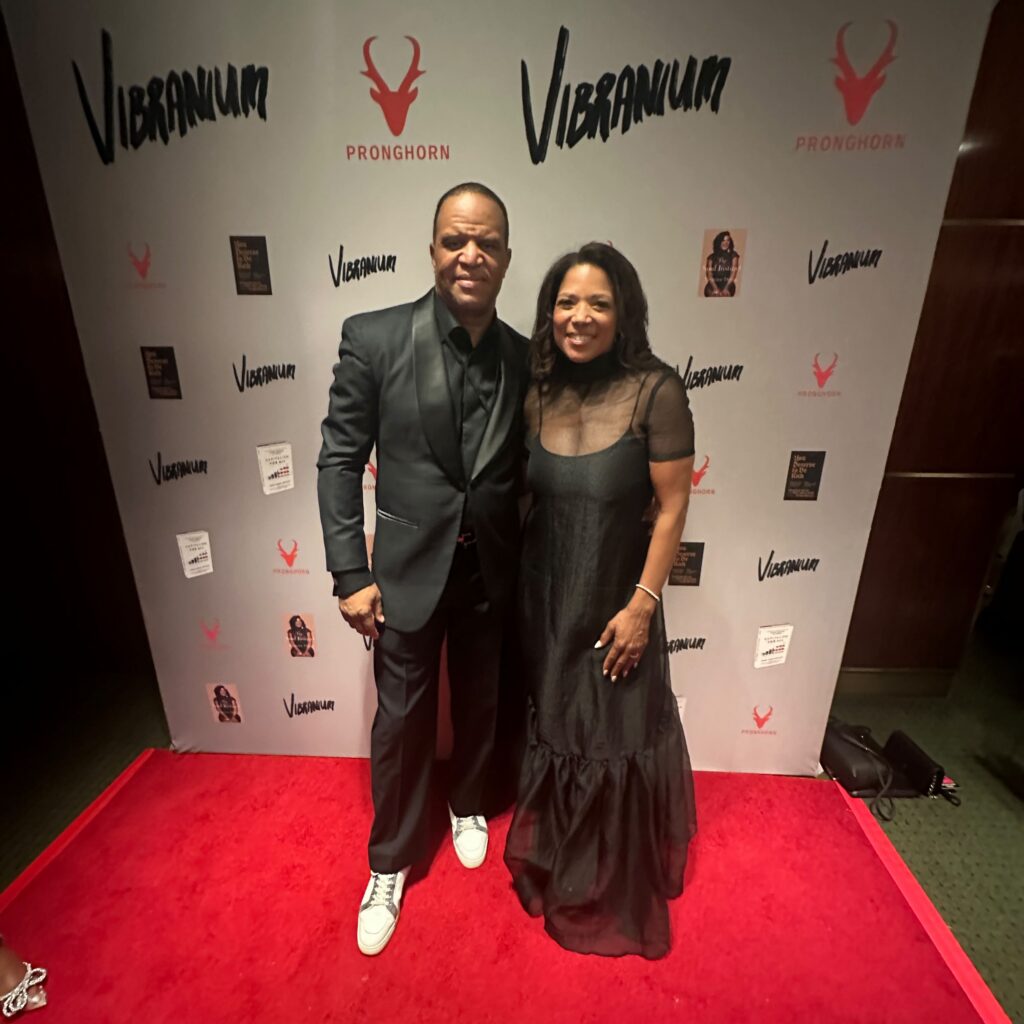
Freedom was always economic. It was economic when the enslaved were denied the wages of their own labor. It was economic when redlining denied a home. It is economic today, every time someone is denied a bank account, a credit score, a seat at the table of the AI economy. Juneteenth is not a museum piece. It is a live wire, and Carnegie Hall — built on Andrew Carnegie’s fortune and his belief that halls like this should belong to the public — was exactly the right place to plug into it.
To Ed Lover, to Carnegie Hall, to every artist, panelist, and entrepreneur who filled that room: thank you for building a Juneteenth stage where Black excellence, Black culture, and Black capital all got to speak in the same voice.
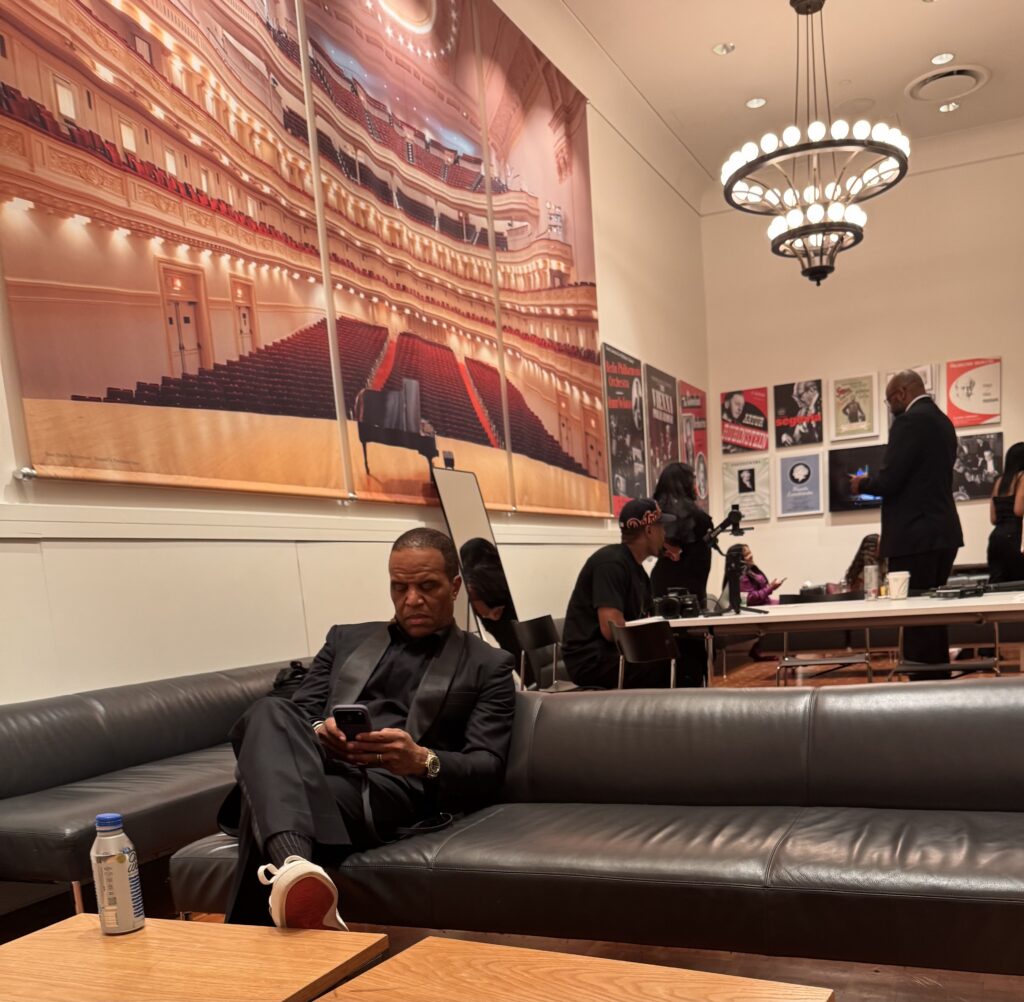
Let’s go.
John Hope Bryant
Founder, Chairman and CEO, Operation HOPE, Inc.
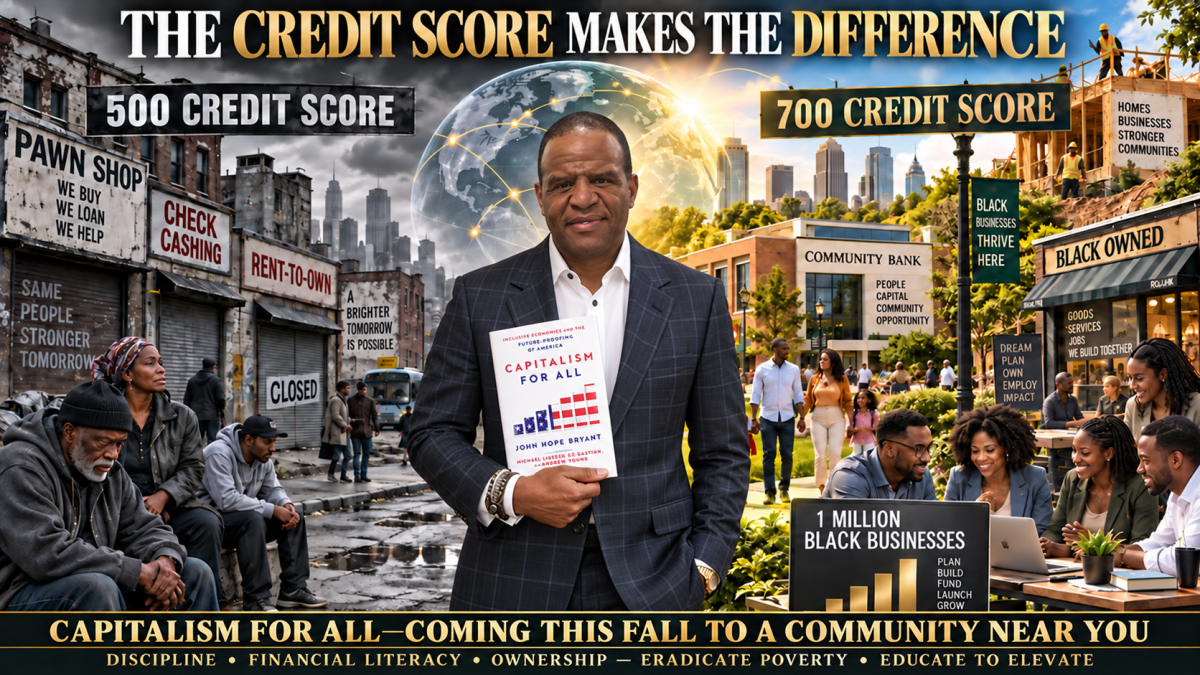
Author, Capitalism for All: Inclusive Economics and the Future-Proofing of America
John Hope Bryant — founder of Bryant Group Ventures, Operation HOPE, Inc, publisher of the Bryant Journal and author of his 7th book Capitalism for All: Inclusive Economics and the Future Proofing of America, now a bestseller. Bryant was recently named a member of the Forbes 250.