
This Independence Day, the nation turns 250 years old. We will celebrate a country that has done something no other has done at this scale: written down the idea that all of us are created equal, and then spent two and a half centuries arguing, bleeding and climbing our way toward living up to it. America is the world’s greatest idea.
I love this country enough to tell it the truth. And the truth is that we have confused symbolic progress with economic progress for too long. One gives you a seat at the table. The other lets you pay for the meal.
Look at the markets this summer. The S&P 500 has set record after record, crossing 7,600 for the first time, climbing to new highs more than 20 times this year alone. Headlines call it a boom. And it is — for some. The question I want Atlanta to sit with over the holiday is simple: a boom for whom?
Most Americans don’t build wealth by trading stocks. They build it slowly, through a 401(k), a pension fund, a home. But the gap is stark: Roughly 70% of white adults own stock in some form; for Black adults, it’s closer to half. White households hold about 87% of all the stock in this country. For every $100 in wealth a white family has, a Black family has roughly $15.
Homeownership tells the same story, and this is where Atlanta has something to teach the nation. Nationwide, Black homeownership sits near 44% — almost exactly where it was in 1968, when housing discrimination was still legal. But here at home, metro Atlanta leads every major market in America, with a Black homeownership rate above 55%, the highest in the country.
Here’s the unfinished business of the freedom movement
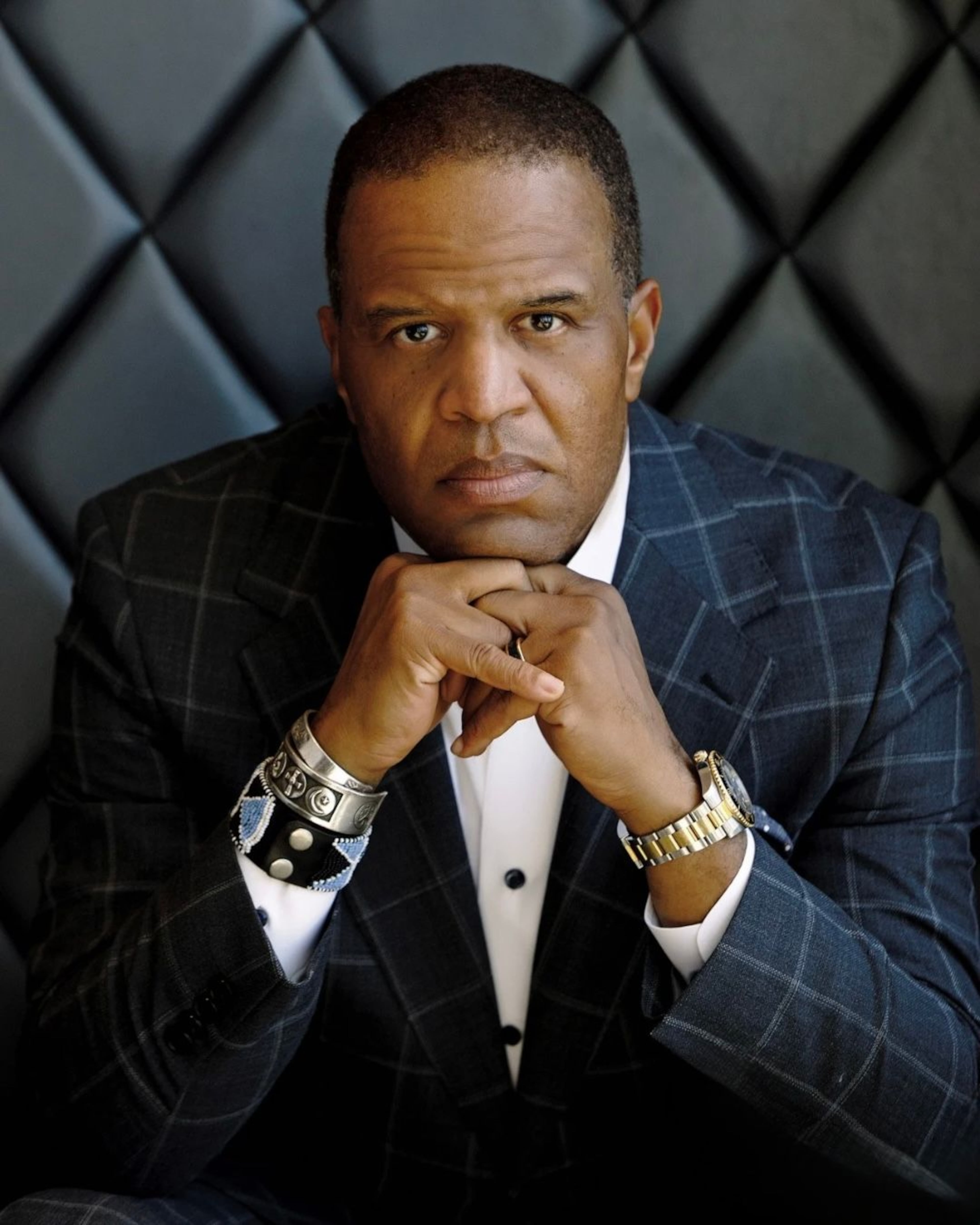
John Hope Bryant is founder, chairman and CEO of Operation HOPE | Bryant Group Ventures and author of “Capitalism for All.” (Courtesy)
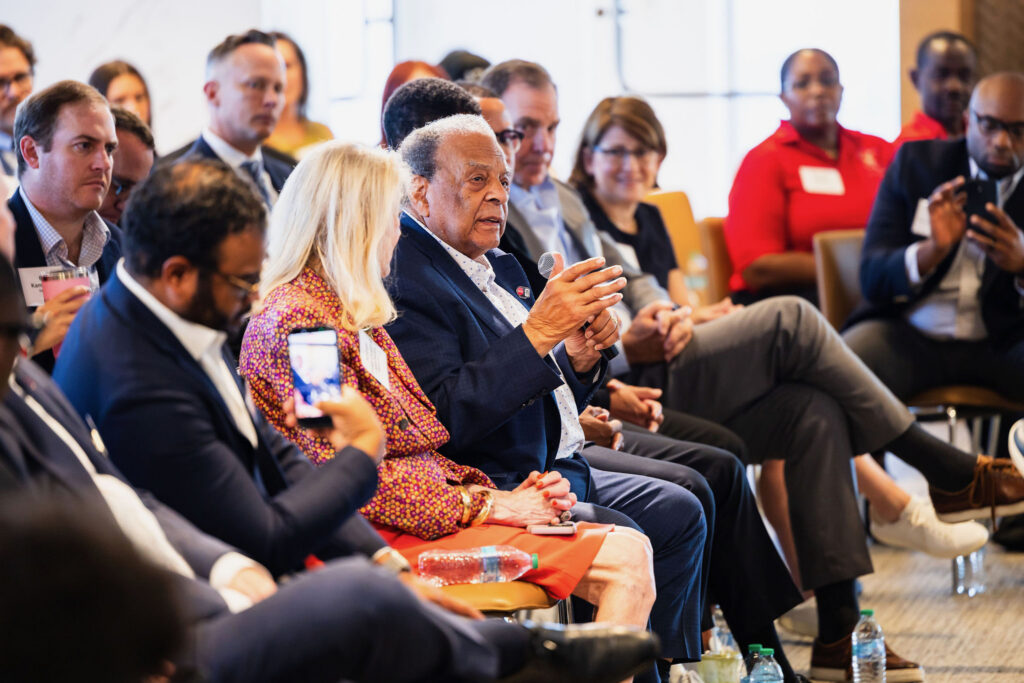
That is not an accident. I think often of the man who proved it could be done. When Andrew Young left Dr. Martin Luther King Jr.’s side in 1968 — after Memphis, after the balcony, after the funeral train — he could have spent the rest of his life as a custodian of the movement’s memory. Instead he ran for Congress, became America’s ambassador to the United Nations, and then came home in 1981 to do something almost no one expected of a civil rights preacher: run a citylike closing a deal.
As mayor, he went to Wall Street, to Tokyo, to Frankfurt, and sold the world on a Black-led Southern city, helping draw in tens of billions of dollars in private investment and over a thousand new businesses. He took the moral capital King built and converted it into actual capital. Recalling how the city financed its airport without a dollar from Washington, Young put it plainly: “We went to Wall Street. It’s integrating business and politics.”
That is the dividend of a city that decided its diversity was not a problem to be managed, but an asset to be invested in. Atlanta built Black colleges, Black banks, Black businesses and a Black middle class, then put them to work alongside everyone else — and turned itself into the only truly international city the traditional South has ever produced. It’s home to the world’s busiest airport, host of an Olympics, anchor of a metro economy that today tops $604 billion, according to the U.S. Bureau of Economic Analysis — among the 10 largest in the country, and larger than the national economy of Singapore. Our diversity didn’t slow this economy down. It is the engine.
Read the complete Guest Opinion piece at the AJC and UATL here.
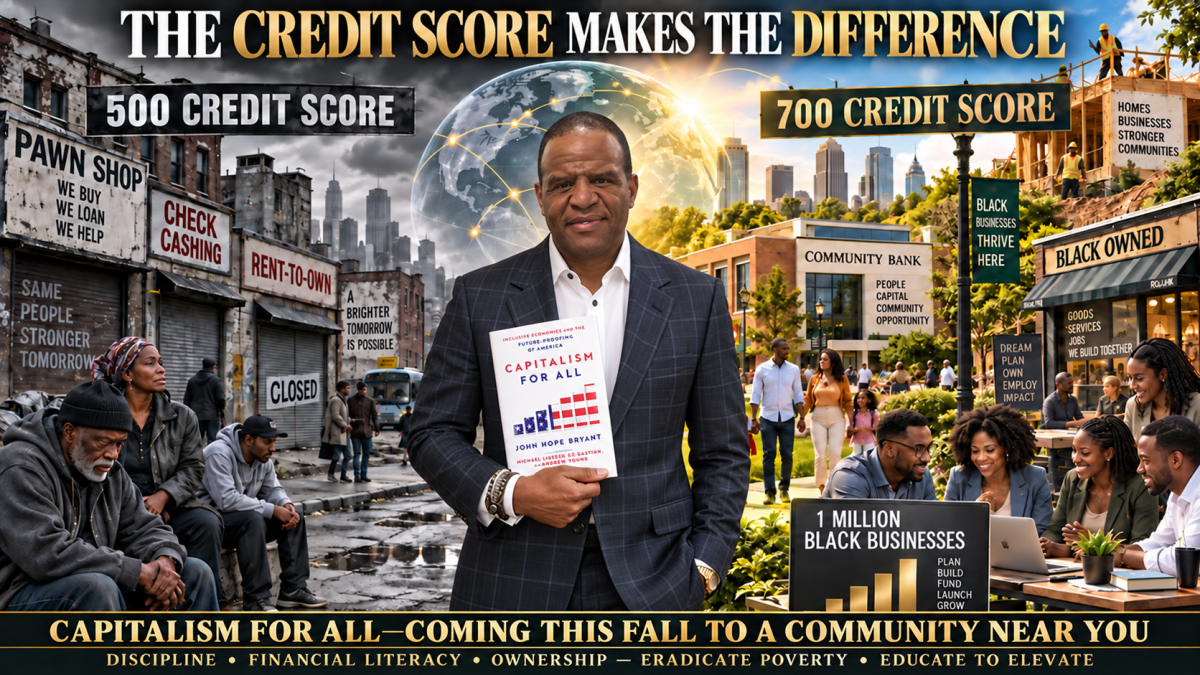
John Hope Bryant — founder of Bryant Group Ventures, Operation HOPE, Inc, publisher of the Bryant Journal and author of his 7th book Capitalism for All: Inclusive Economics and the Future Proofing of America, now a bestseller. Bryant was recently named a member of the Forbes 250.