A Conversation With One of the Great Champions of Capitalism
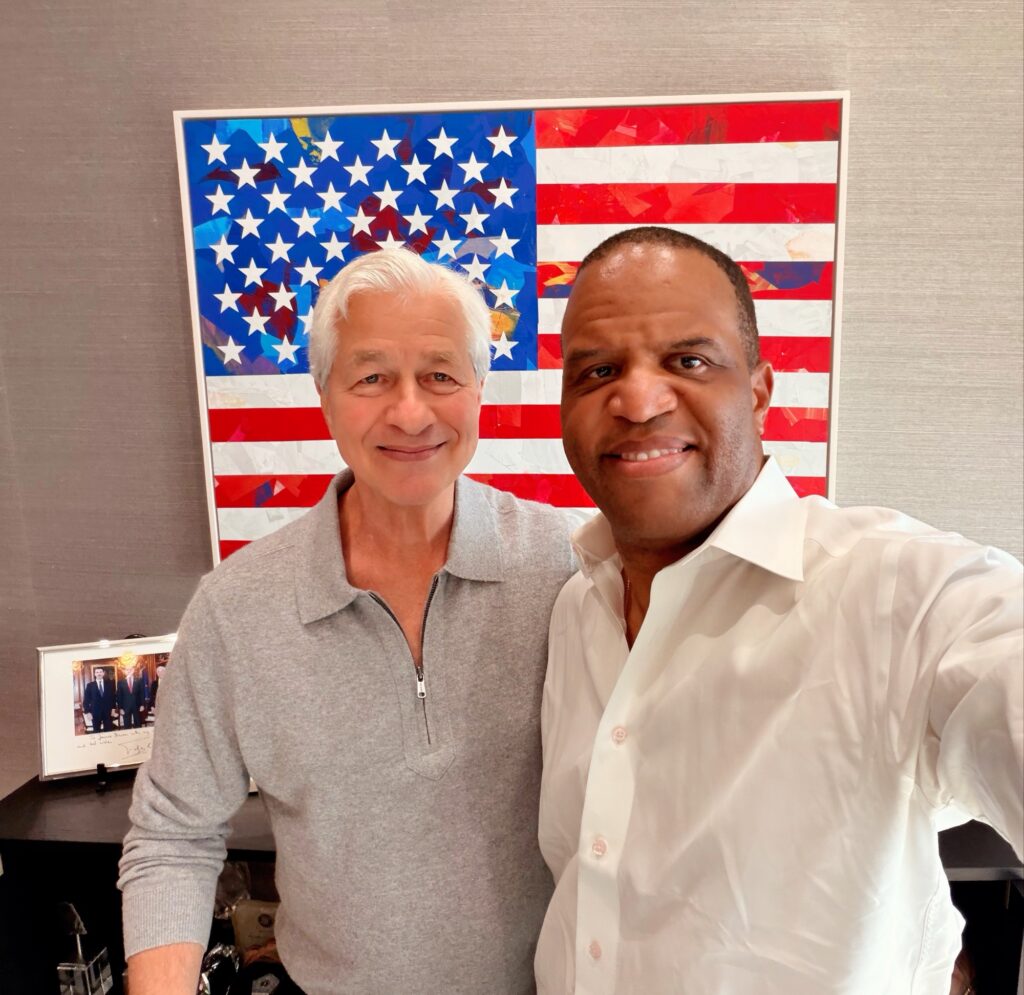
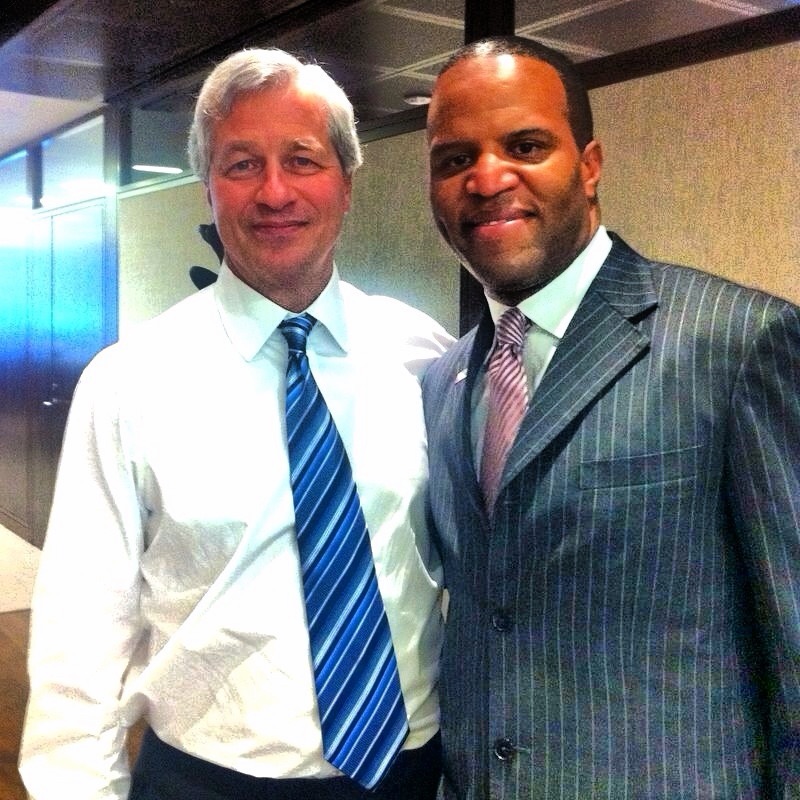
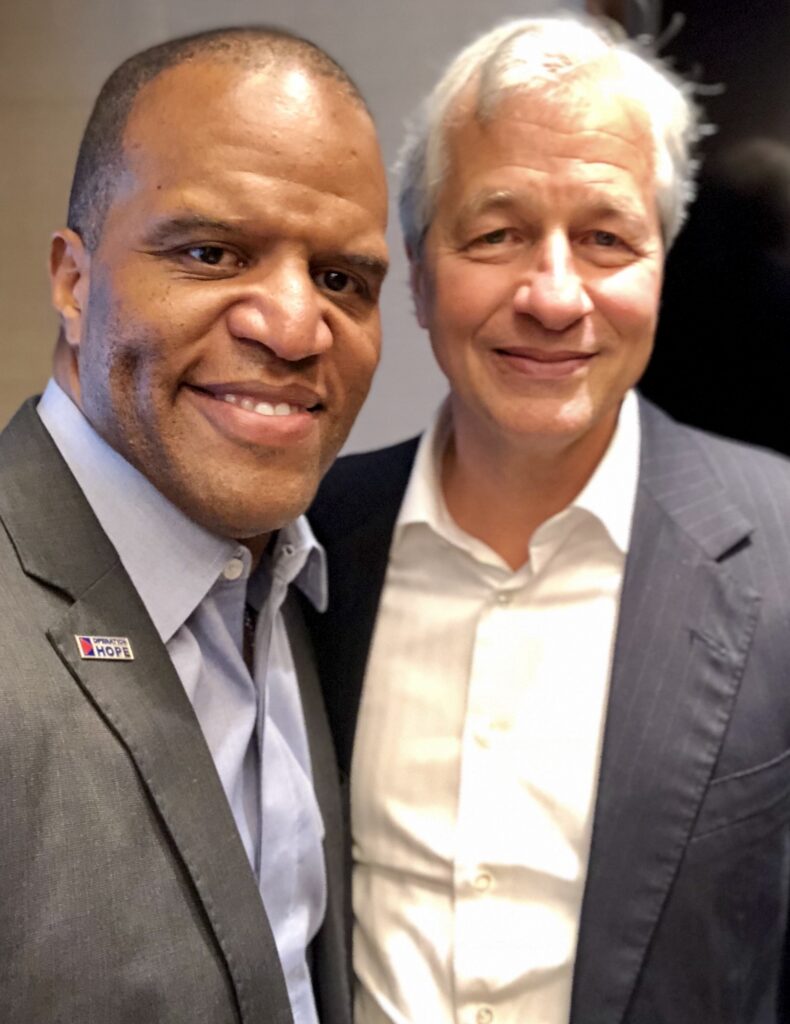
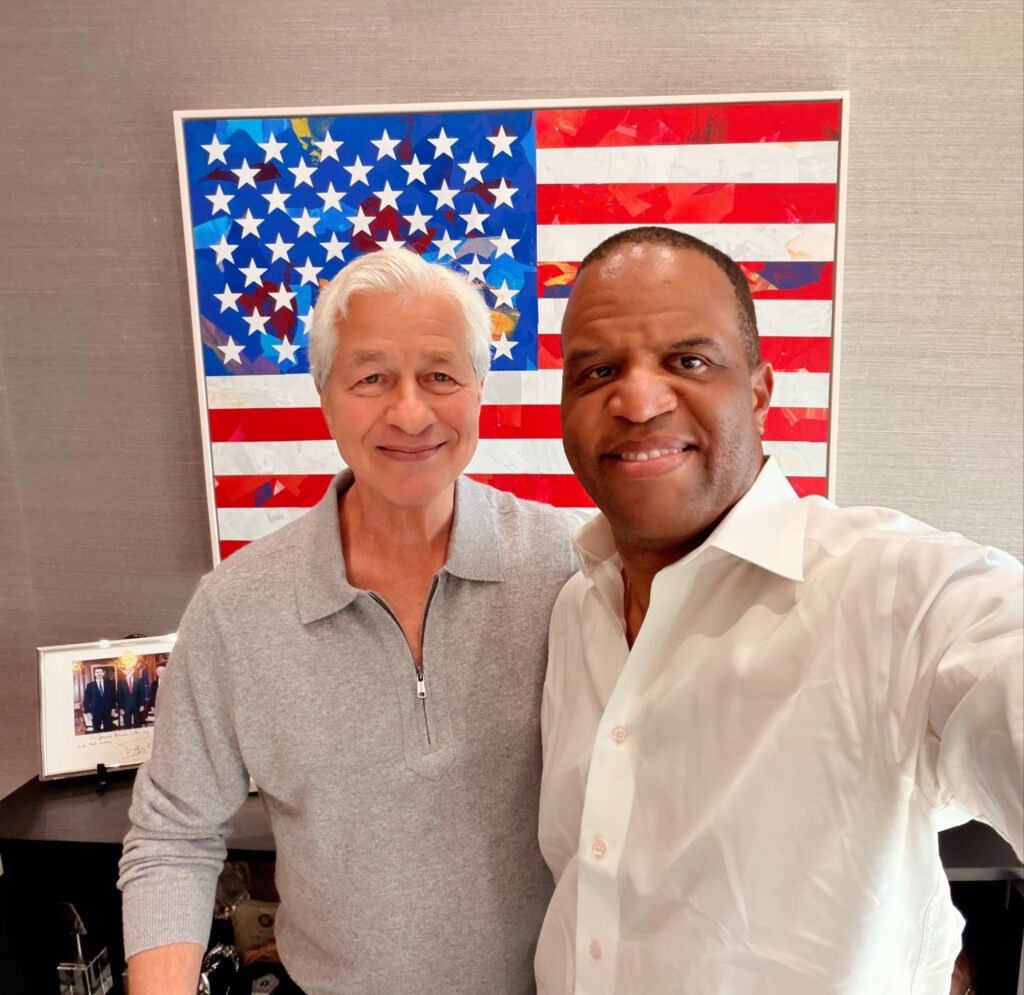
This week I sat down with my friend Jamie Dimon, Chairman and CEO of JPMorgan Chase — a relationship built over years, and a conversation I left thinking about for days afterward.
Dimon’s path to the top of American banking wasn’t handed to him. He started at American Express under Sandy Weill, helped engineer the rise of what would become Citigroup, was pushed out in 1998, and rebuilt from there — taking over Bank One in 2000 and turning it around. When Bank One merged with JPMorgan Chase in 2004, Dimon became president; by 2006 he was CEO, and a year later, Chairman. Two decades later, he still sits atop the largest bank in the United States by assets — and today, JPMorgan Chase is the largest bank in the entire world by market capitalization, and ranks among the top five globally by total assets. Under his stewardship, the firm also emerged from the 2008 financial crisis in stronger shape than almost any of its peers.
This year, Dimon put real weight behind a warning he’s been sounding for years. In March, he launched the American Dream Initiative — a multi-year commitment of nearly $80 billion in lending to small businesses over the next decade, alongside investments in affordable housing, financial health, job training, healthcare access, and local institutions. “The American Dream is alive,” Dimon said at the launch, “but it’s slipping out of reach for too many people — and for future generations.” Coming from the CEO of the world’s largest bank, that’s not a talking point. It’s a commitment, backed by capital — and it sits remarkably close to the work Operation HOPE has been doing for over three decades.
But the story I keep coming back to is older than Dimon himself. The name on the building traces back to J.P. Morgan — and twice in American history, it was Morgan personally who stepped into the breach when the country’s financial system was on the brink. In 1895, with the U.S. Treasury’s gold reserves nearly exhausted, Morgan organized a private syndicate — including European bankers — to refill the Treasury’s coffers and avert a default.
Twelve years later, during the Panic of 1907, with major New York banks collapsing and no central bank to intervene, Morgan summoned the city’s leading financiers to his own library and personally orchestrated the rescue that stopped the panic before it spread further.
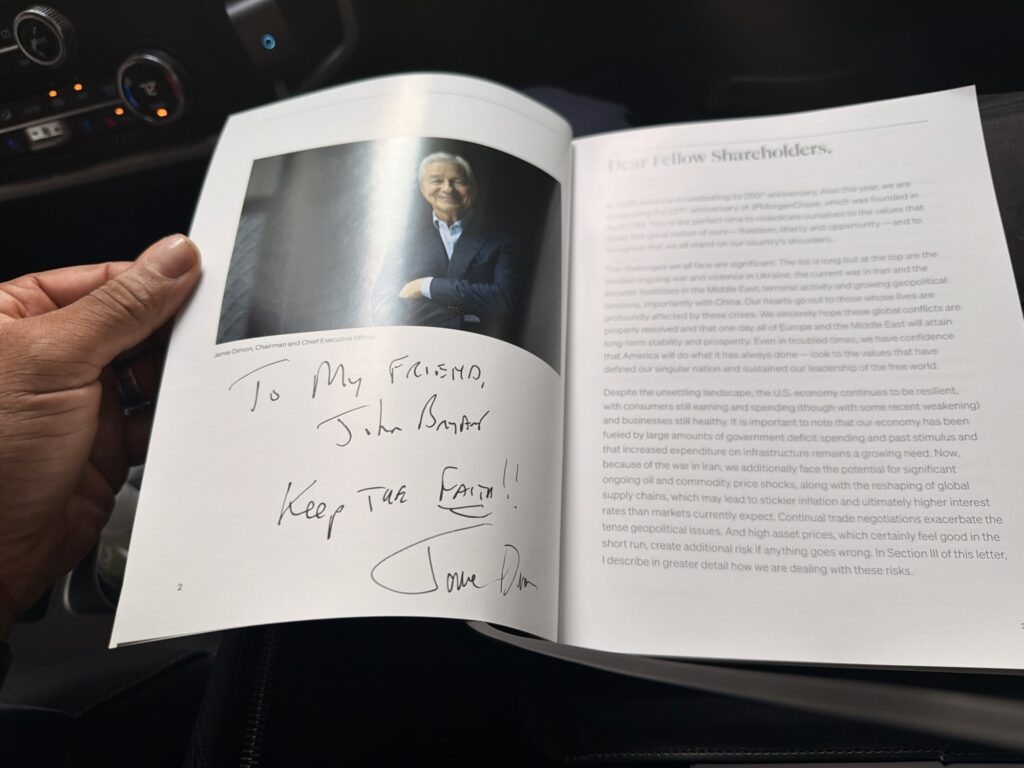
That history matters, because it tells you something about the institution Dimon now leads — and about the seriousness with which he carries that responsibility, both in moments of crisis and in how he chooses to spend the bank’s resources today. In our conversation, we talked about where this country is, about capitalism and what it owes the people it’s supposed to serve, and about the platforms we each have to speak to that — his through the American Dream Initiative, mine through Operation HOPE. No commitments were made — but the conversation was real, and it’s one I intend to build on.
Jamie Dimon is, by any honest measure, one of the most consequential bankers of his generation, and one of the clearest voices defending free enterprise in America today. It’s a privilege to call him a friend.
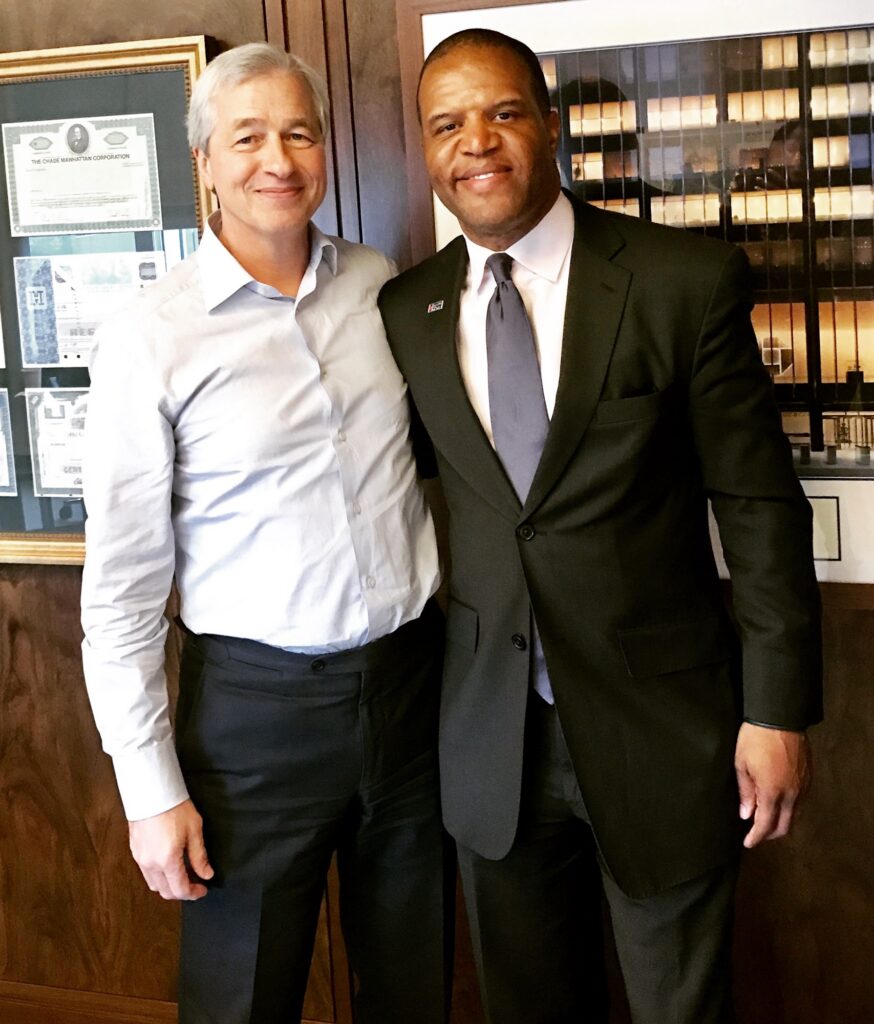
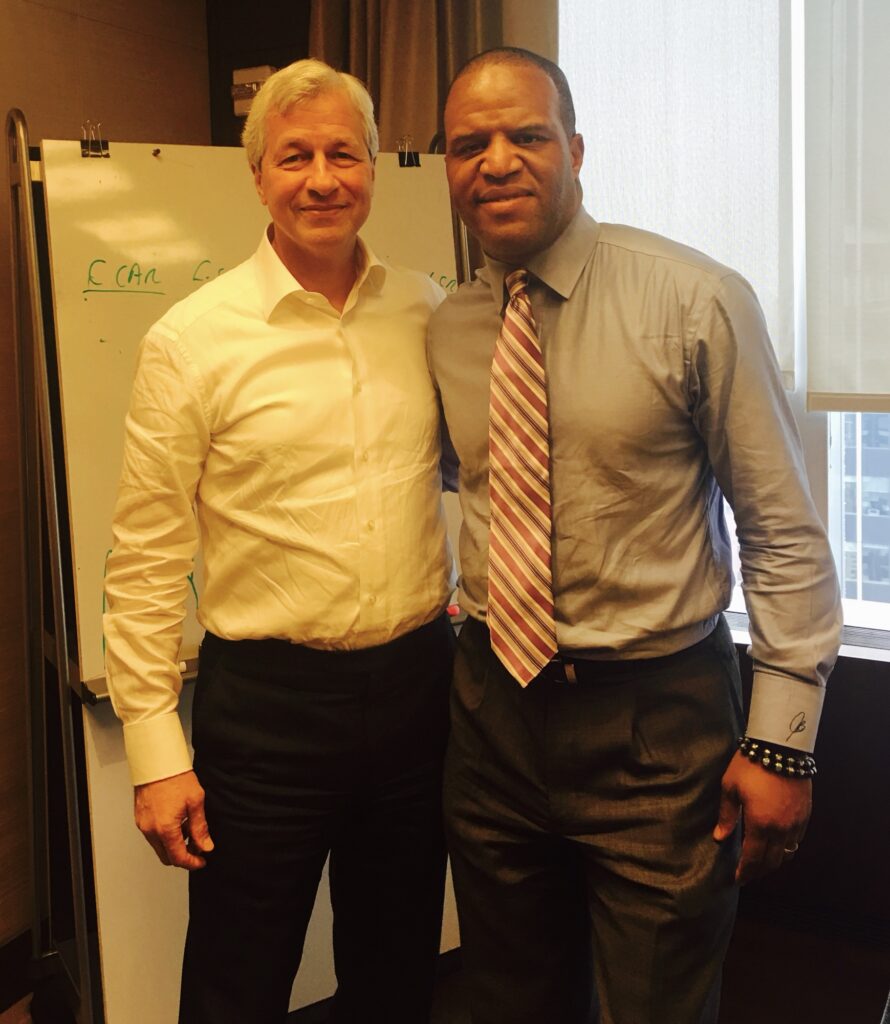
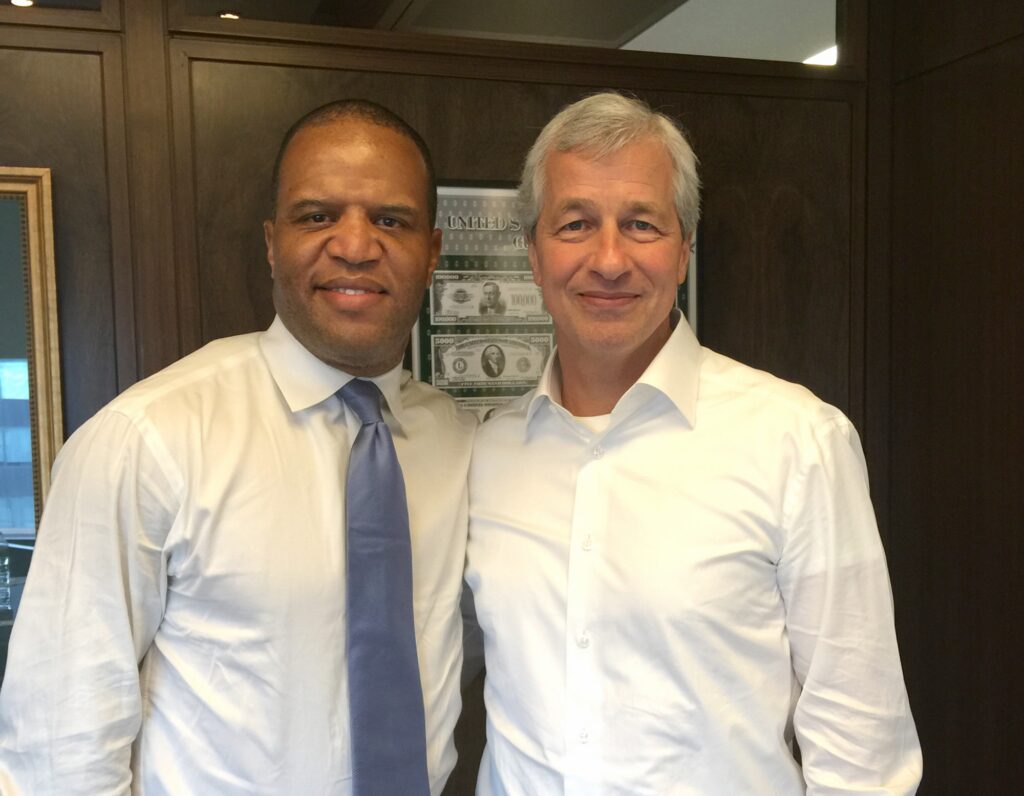
John Hope Bryant — founder of Bryant Group Ventures, Operation HOPE, Inc, publisher of the Bryant Journal and author of his 7th book Capitalism for All: Inclusive Economics and the Future Proofing of America, now a bestseller. Bryant was recently named a member of the Forbes 250.