A Bryant Journal piece
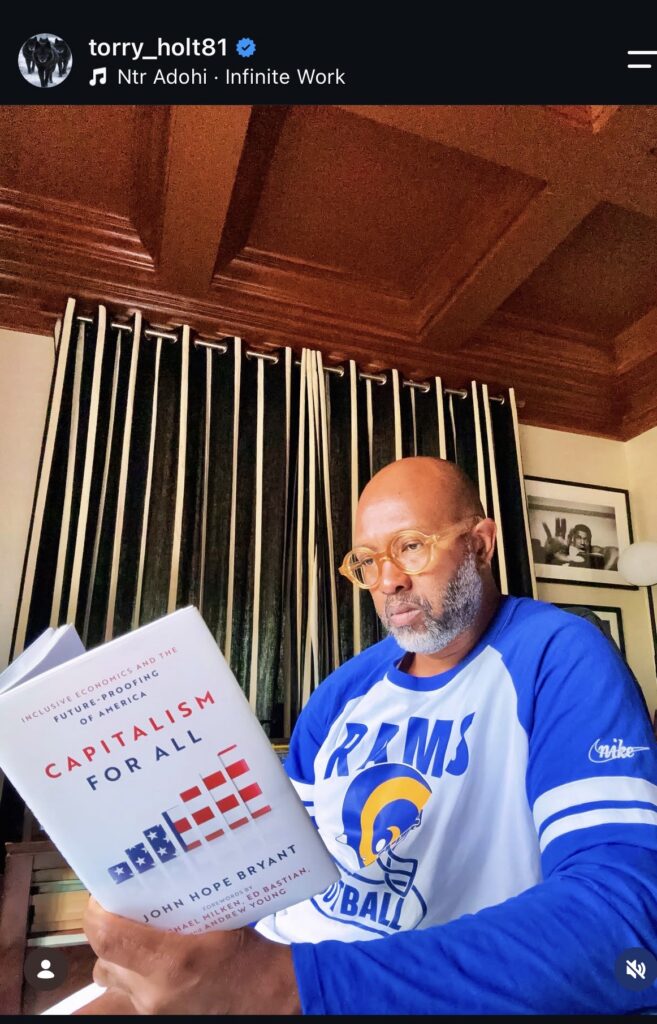
I wrote Capitalism for All to make an argument, not to collect compliments. But somewhere around the fourth or fifth month of watching the reviews come in, I started noticing something I didn’t expect: readers were handing the argument back to me, in their own words, often sharper than I’d written it myself.
I want to share a few of those words here, because I think they say something truer about whether this book worked than any bestseller list can.
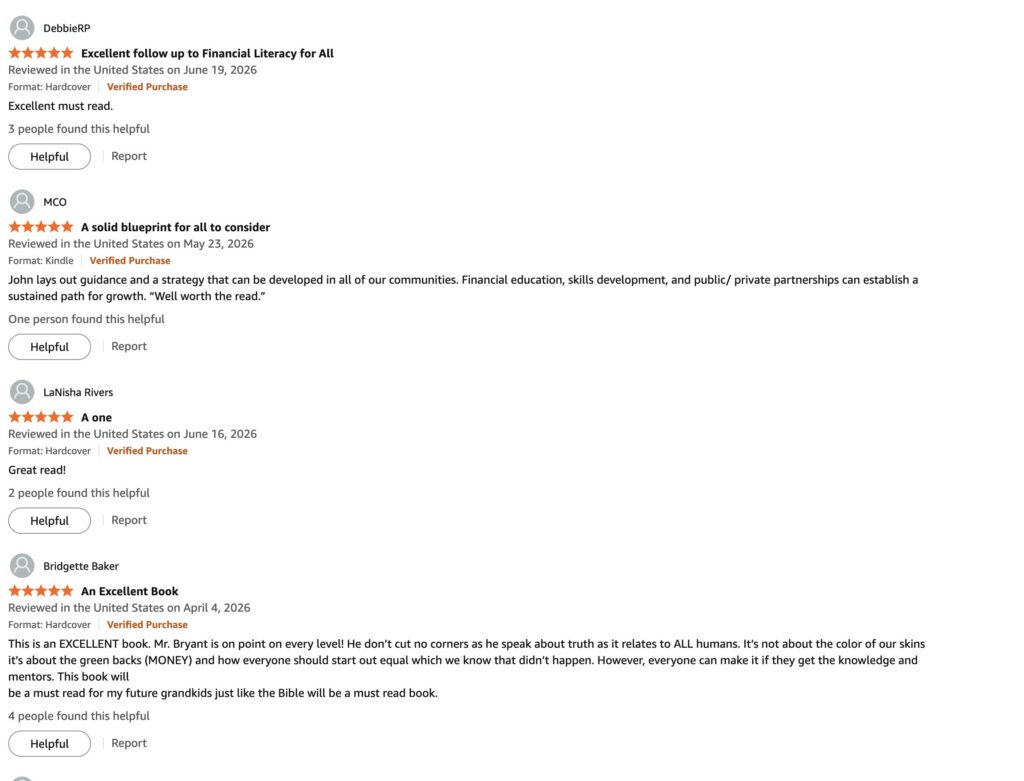
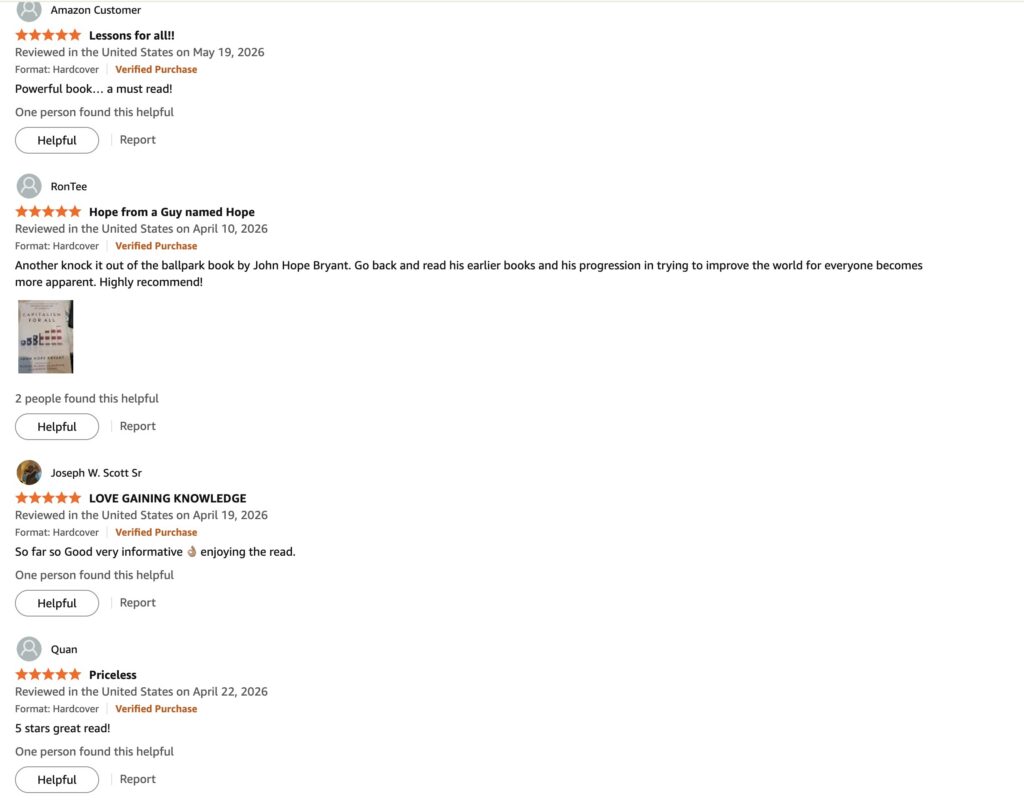
One reader, Bridgette Baker, wrote: “It’s not about the color of our skins it’s about the green backs (MONEY) and how everyone should start out equal which we know that didn’t happen. However, everyone can make it if they get the knowledge and mentors.” I have spent years trying to say exactly that — that the real color that matters, in the end, is green — and reading it come back to me in someone else’s voice, someone I’ve never met, told me the point actually landed. That is the only review metric I’ve ever really cared about.
Another reader, going by MCO, called the book “a solid blueprint for all to consider,” and wrote that the path I laid out — financial education, skills development, public and private partnerships working together — “can establish a sustained path for growth.” I didn’t write this book to be inspiring. I wrote it to be usable. Hearing someone describe it as a blueprint rather than a sermon means the second thing actually happened.
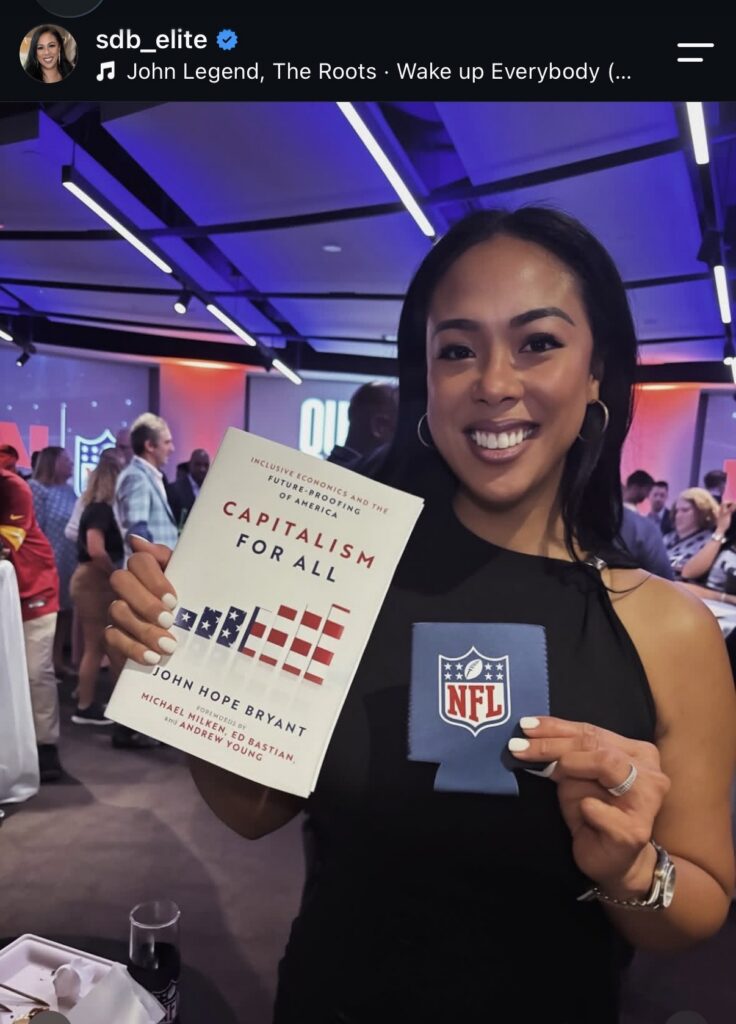
A reader named RonTee, reviewing under the title “Hope from a Guy named Hope,” wrote that going back through my earlier books alongside this one, “his progression in trying to improve the world for everyone becomes more apparent.” That one caught me off guard. I don’t always see my own arc while I’m living inside it. It takes a reader standing outside the whole shelf to point out that it was an arc at all.
A reader named DebbieRP called it “an excellent follow up to Financial Literacy for All.” I appreciate that one specifically because it means someone read both books, in order, and experienced them as connected — which is exactly how I intended them, even though nobody instructed them to read it that way.
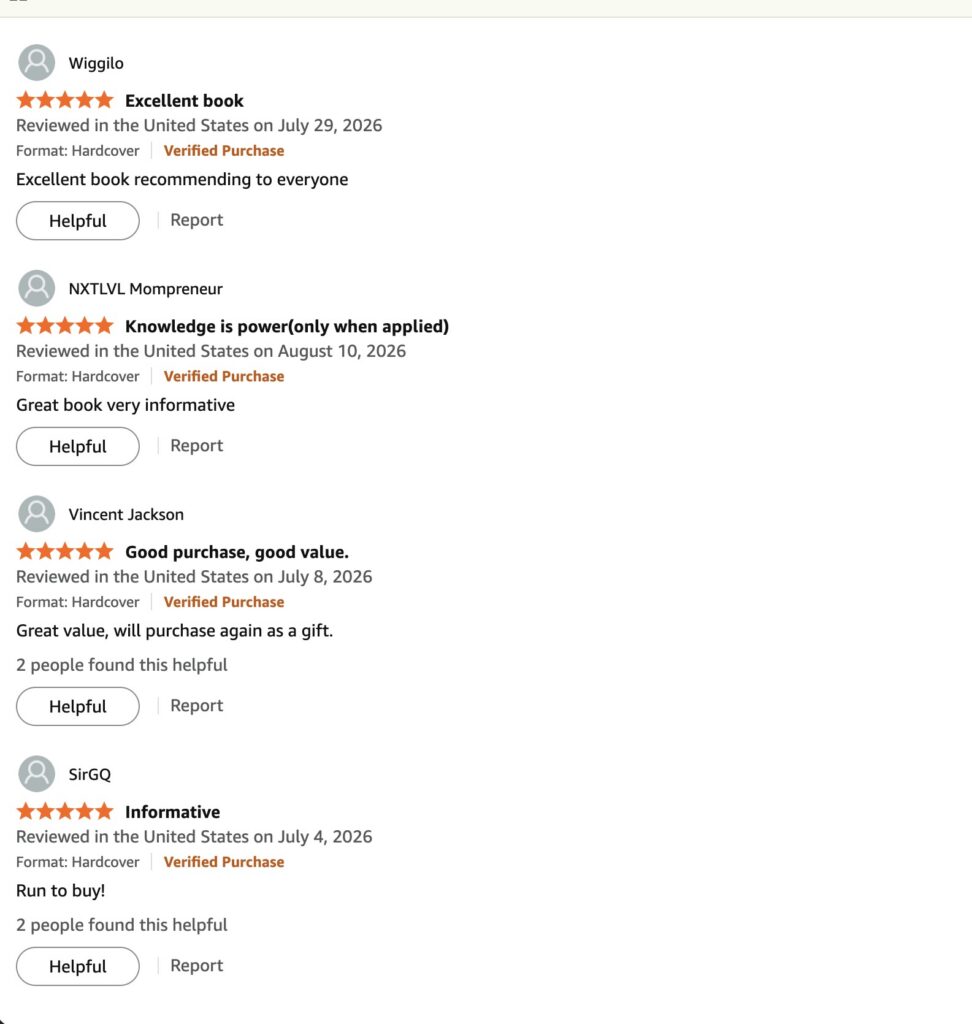
And a reader who reviewed under the name NXTLVL Mompreneur titled her review “Knowledge is power (only when applied)” — five words that are a better summary of the entire HOPE Doctrine on Wealth than most of what I’ve written about it myself.
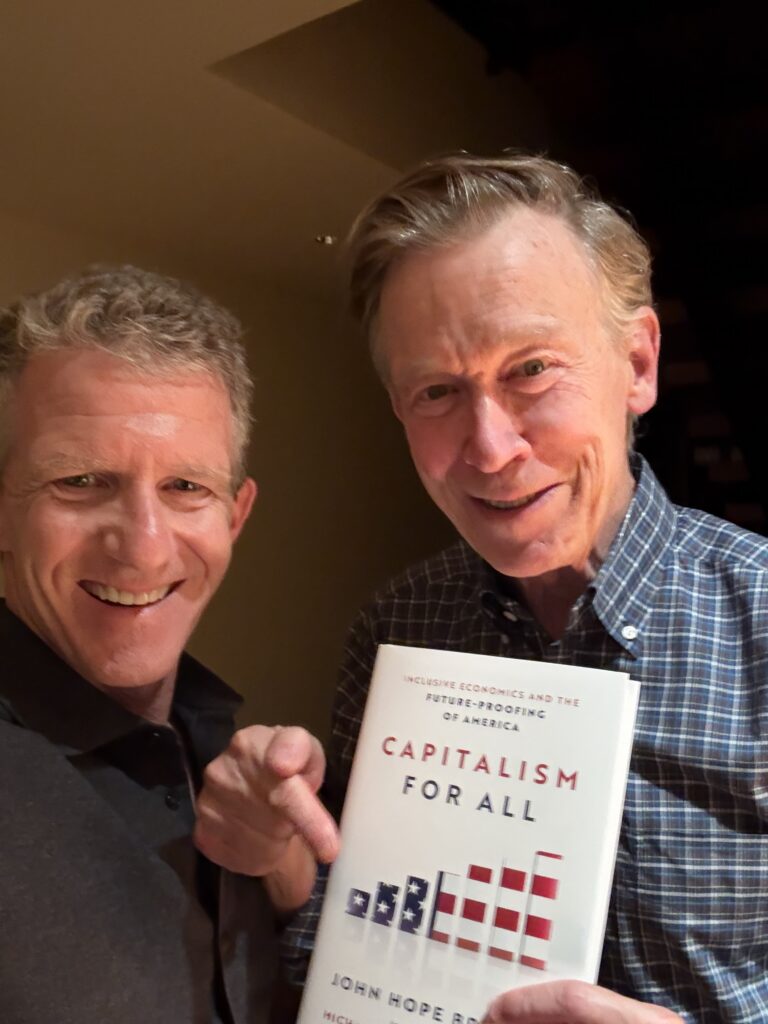
As of this writing, Capitalism for All is sitting at 4.8 stars across eighty reviews, a USA Today and national bestseller, and the #1 book in Business Diversity and Inclusion. I’m grateful for every one of those numbers. But I want to be honest about why they matter to me, because I think the honest reason is more useful than the vain one.
They matter because a bestseller list tells you a book sold. It doesn’t tell you a book worked. The reviews are the only place I actually get to find that out — whether the argument survived contact with an actual reader’s actual life, whether the frameworks I spent years building held up once they left my hands and became someone else’s tool instead of my idea.
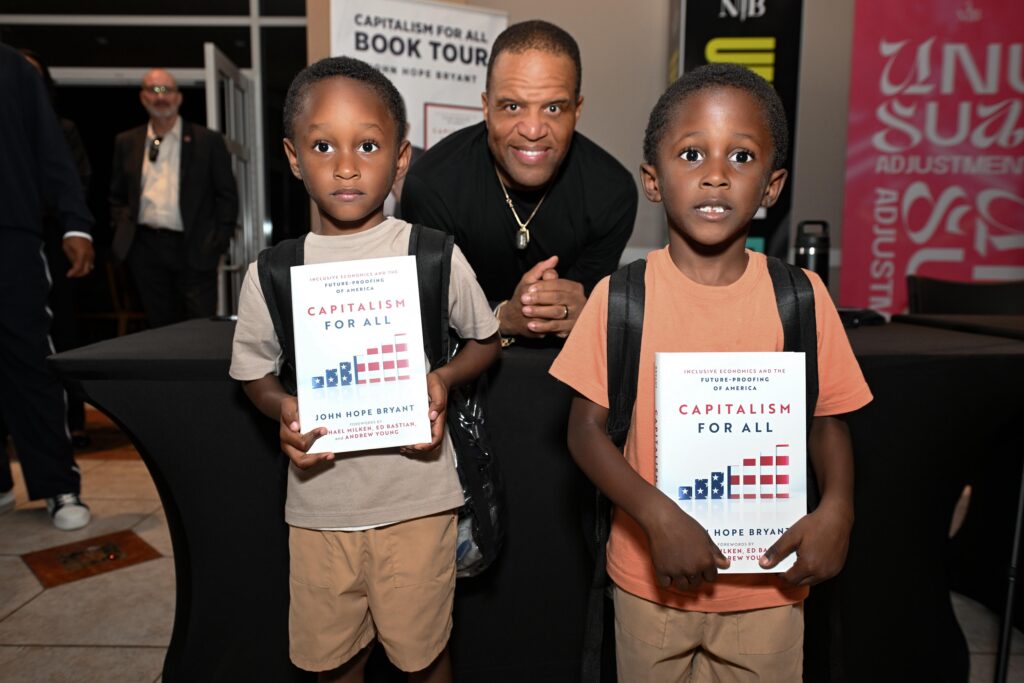
Based on what I’m reading, they’re holding up. Someone is buying it again as a gift. Someone else is planning to hand it to their grandkids the way they’d hand down a Bible. Someone read it and immediately understood it as a call to mentor the people coming up behind them.
That was always the actual goal. Not the list. The handoff.
If you’ve read Capitalism for All and it did something for you — changed how you think about a credit score, a business plan, a neighbor you’d written off, a version of yourself you’d written off — I’d genuinely like to hear about it. Not for the review count. For the same reason I wrote the book in the first place.
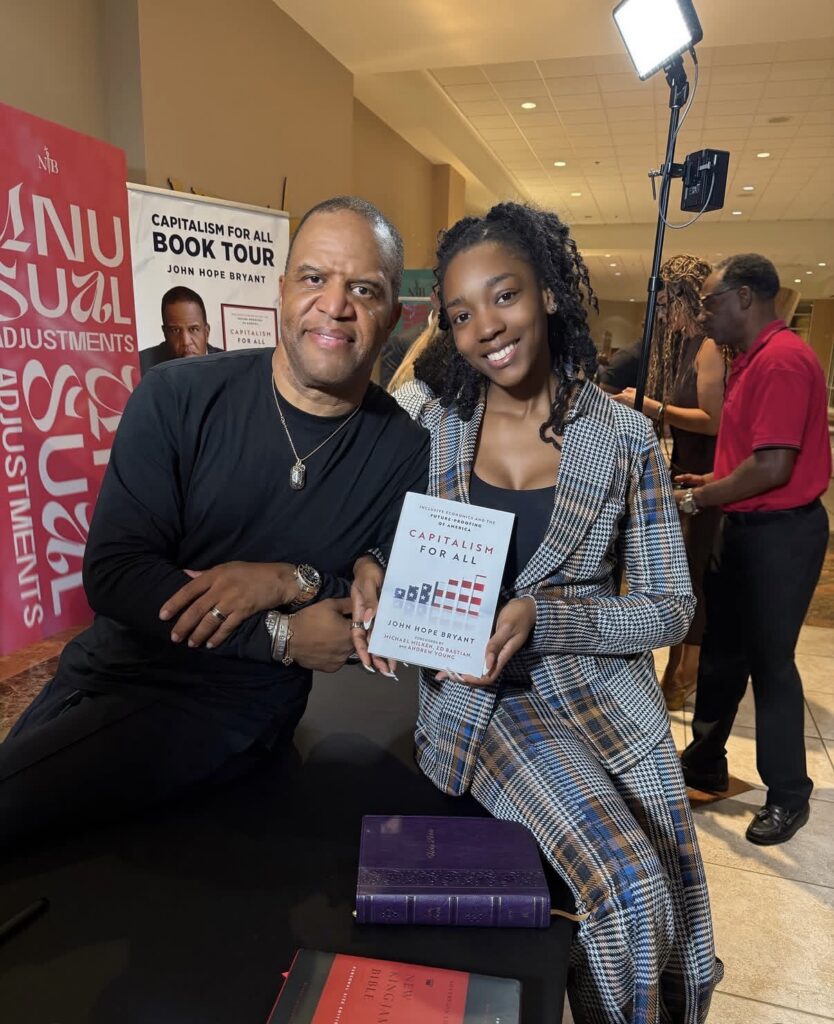
Pick one door. Walk through it. Then hold it open for the next person.
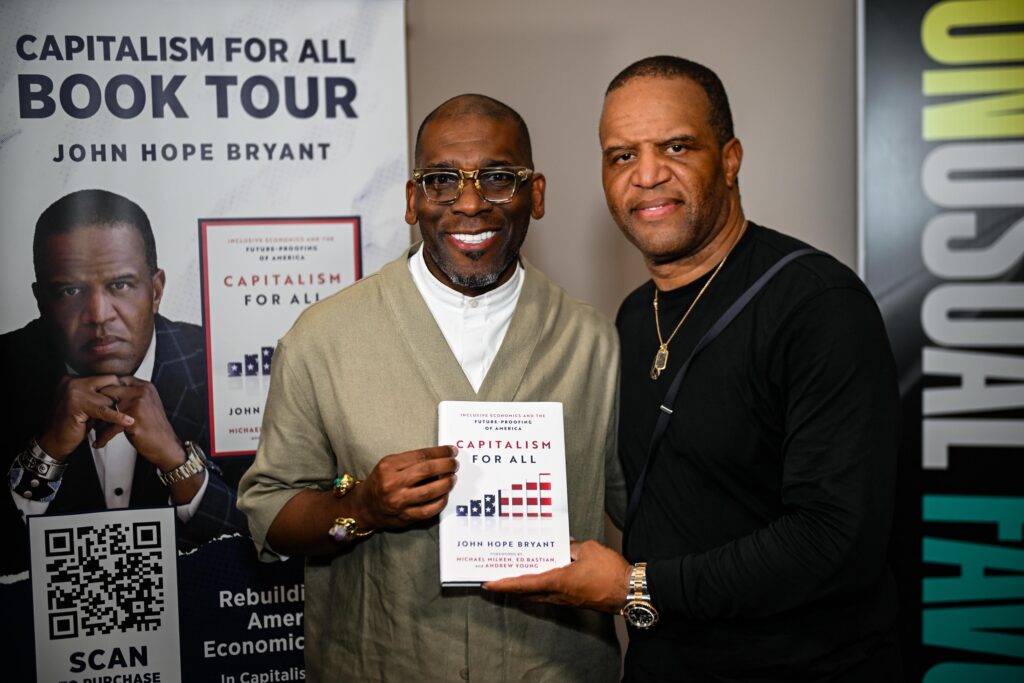
For the fuller case behind the book, see Capitalism for All: The Case, in Full.
John Hope Bryant — founder of Bryant Group Ventures, Operation HOPE, Inc, publisher of the Bryant Journal and author of his 7th book Capitalism for All: Inclusive Economics and the Future Proofing of America, now a bestseller. Bryant was recently recognized as a member of the Forbes 250 Greatest Living Self Made Americans, on the occasion of the 250th anniversary of America itself. Get the book →